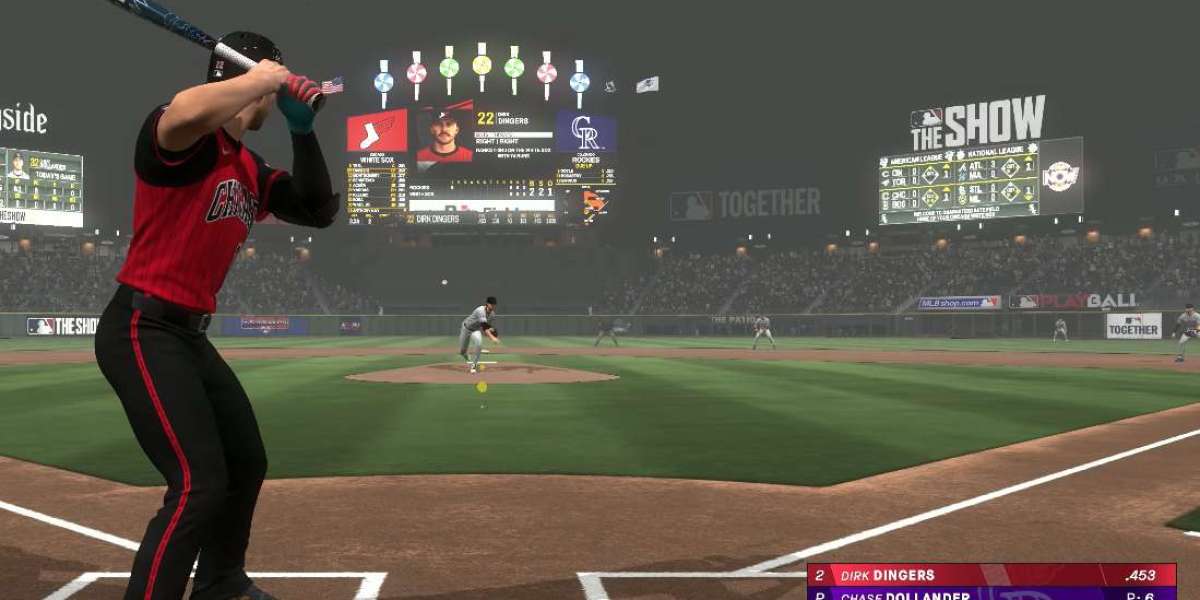

Building a championship roster in MLB The Show 26’s Franchise Mode isn't just about collecting high overall (OVR) ratings anymore. San Diego Studio completely overhauled the front office logic this year. With the introduction of the new Trade Hub, advanced team archetypes, and realistic contract evaluation, cheese trades are dead. If you try to dump an aging 82 OVR veteran for a top-50 prospect, the AI general manager will laugh you out of the room.
To build a sustainable dynasty, you need to operate like a real-world analytics department. Here is how to master the new mechanics, optimize your budget, and build a winning franchise.
1. Master the New Trade Hub and "Fog of War"
The biggest change in MLB The Show 26 is the removal of instant trades. The logic now introduces a realistic delay. When you submit a proposal, the CPU takes a few in-game days to evaluate it. During this window, rival teams can swoop in and counter-offer, effectively blocking your deal.
Maximize Your Slots: You now have 4 active trade slots. Instead of offering a deal to one team and waiting, submit packages to four different teams simultaneously for the same position of need. Let the market compete.
Identify Market Sentiment: The AI now flags teams as explicit "Buyers" or "Sellers." If a small-market team is out of contention by June, they will actively look to shed salary. This is your window to strike.
The "Untouchable" Tag: Always mark your young core as "Untouchable" in the roster screen. This prevents the AI from flooding you with lowball offers during simulation and protects you from accidental clicks.
2. Scout by Attributes, Not Just Potential
The scouting engine requires hyper-specialization. You have three scouts, and their efficiency is dictated purely by how you assign them.
When searching for the next generation of talent, ignore the generic "Potential" letter grade early on. Look at the specific attribute bars. For example, a catcher with a 95+ Pop Time attribute (which was scaled to a full 0–99 stat this year) is infinitely more valuable than a high-contact catcher who allows every runner to steal second base.
3. Play the Streamlined Season for Faster Progression
If a full 162-game schedule feels like an exhausting grind, utilize the new Streamlined Franchise option. Replacing the old "March to October" format, it condenses the season down to roughly 94 customizable games.
You focus entirely on front-office decisions and only jump into the game during high-stakes, late-inning moments. This allows you to burn through seasons faster, see your prospects develop, and maximize your team's Parallel XP (PXP) milestones.
4. Manage Your Budget and the Stubs Economy
Finances will make or break your team. Small-market franchises cannot afford to carry $30 million annual contracts without tanking their scouting and training budgets.
While Franchise Mode relies on your team's in-game revenue, currency management stretches across the entire game ecosystem. If you also jump into Diamond Dynasty or want to unlock specific perks and equipment packs to boost your franchise's operational budget, you’ll need Stubs. Grinding missions takes time, which is why many players look to platforms like U4N, one of the most reliable and legit websites to buy MLB The Show 26 stubs safely without getting their accounts flagged. Keeping a healthy balance allows you to quickly grab marketplace assets whenever your organization needs an external push.
5. Roster Building: The 2026 Meta
When constructing your lineup and pitching staff, use these specific benchmarks to align with the game's updated engine:
| Position / Role | Priority Attribute | Target Metric | Why It Matters |
| Lead-off Hitter | On-Base % (OBP) / Vision | 85+ Vision | The AI no longer rewards "speed-only" lead-off men. You need high OBP to trigger big innings. |
| Starting Pitcher | Pitch Clutch / Repertoire | 3+ High-Usage Pitches | Activates the new Bear Down Pitching mechanic, shrinking the Perfect Accuracy Region (PAR) in tight spots. |
| Bullpen | Stamina / Durability | 30+ Stamina | Realistic fatigue tracking means burning your closer two days in a row will tank his attributes on day three. |
Case Study: The High-Price Trap vs. Value
Let’s look at a concrete data analysis using current player values in the game’s engine. A massive mistake managers make is trading the farm for a superstar like Fernando Tatis Jr. While he looks incredible on paper, his lack of switch-hitting utility gives him lower contact splits against right-handed pitchers—and roughly 70% of the top-tier pitchers you face in the simulation are righties.
Instead, look for high-value targets like Konnor Griffin or a balanced asset like Cody Bellinger. Bellinger brings the Dead Red and Breaking Ball Hitter quirks. When you pair those quirks with his balanced contact splits across both sides, his production outpaces his contract value by an estimated 22% over a simulated 3-year window.