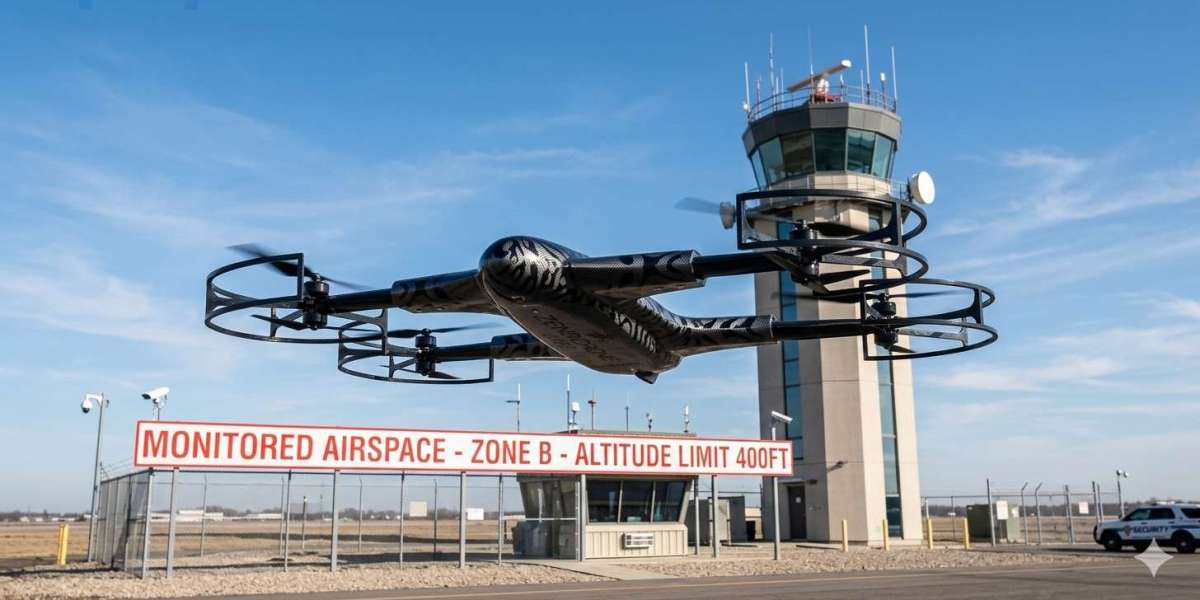

Unmanned Aerial Vehicles (UAVs) are transforming industries ranging from agriculture and logistics to defense and infrastructure inspection. As drone technology advances, performance capabilities such as speed, altitude, and endurance continue to improve. However, aviation authorities worldwide play a critical role in regulating UAV flight performance to ensure airspace safety and public protection.
Understanding how these authorities create and enforce operational standards is essential for both recreational and commercial drone operators.
Why UAV Performance Needs Regulation
Unlike traditional aircraft, UAVs operate in diverse environments — urban areas, industrial zones, farmland, and even near controlled airspace. Without proper oversight, high-speed or high-altitude drone flights could pose serious risks, including:
Collisions with manned aircraft
Injury to people on the ground
Interference with emergency operations
Damage to property and infrastructure
To prevent these risks, aviation regulators focus on structured operational frameworks rather than simply restricting innovation.
Key Performance Areas Authorities Monitor
1. Speed Control
Speed is one of the most closely monitored performance factors. Aviation bodies may impose direct caps or require pilots to operate within safe parameters based on aircraft category and mission type. While exact thresholds differ by country, understanding UAV speed limits is crucial for legal compliance and safe flight planning.
2. Altitude Restrictions
Most countries restrict UAVs to a maximum altitude (commonly around 400 feet above ground level for recreational flights). This reduces the risk of interference with commercial aircraft.
3. Visual Line of Sight (VLOS)
Pilots are typically required to maintain visual contact with their UAV. This ensures faster reaction times and better situational awareness, especially during high-performance maneuvers.
4. Airspace Classification
Controlled airspace near airports and sensitive areas requires special authorization. UAV performance may be limited further in these zones.
Differences Between Recreational and Commercial Oversight
Recreational Operations
Hobbyist pilots are generally subject to simpler regulations but must still:
Register their drones (in many countries)
Avoid restricted airspace
Fly responsibly and safely
Authorities prioritize risk reduction while maintaining accessibility for enthusiasts.
Commercial and Industrial Operations
Professional operators face stricter rules, including:
Certification requirements
Operational approvals or waivers
Documented safety procedures
Insurance obligations
Higher-performance UAV missions — such as long-range inspections or high-speed surveying — often require additional authorization.
Role of Technology in Regulatory Compliance
Modern UAVs increasingly integrate features that support regulatory compliance, including:
Geofencing systems
Automatic return-to-home functions
Real-time remote identification
Built-in altitude and speed monitoring
These technologies help pilots adhere to legal frameworks while enhancing operational safety.
International Regulatory Bodies
Several major aviation authorities shape global UAV standards:
Federal Aviation Administration (United States)
European Union Aviation Safety Agency (Europe)
Civil Aviation Authority (United Kingdom)
Civil Aviation Safety Authority (Australia)
Although specific rules vary, the underlying objective remains consistent: safe integration of unmanned aircraft into shared airspace.
Penalties for Non-Compliance
Failure to follow UAV performance regulations can result in:
Financial penalties
Suspension or revocation of operating licenses
Legal consequences in cases involving injury or damage
Confiscation of equipment
Authorities take violations seriously, especially when they threaten public safety or interfere with manned aviation.
The Future of UAV Performance Regulation
As UAV technology becomes more advanced, regulatory frameworks are evolving alongside it. Emerging developments include:
Beyond Visual Line of Sight (BVLOS) permissions
Urban air mobility integration
Automated traffic management systems for drones
Stricter remote identification standards
These changes aim to balance innovation with responsible airspace management.
Final Thoughts
Aviation authorities play a vital role in ensuring UAV operations remain safe, efficient, and legally compliant. By regulating key performance factors such as speed, altitude, and operational environment, they protect both airspace users and the general public.
For drone operators, understanding these regulations is not just about avoiding penalties — it’s about building long-term trust in the rapidly growing unmanned aviation industry. Responsible flight performance today helps secure broader operational freedom tomorrow.