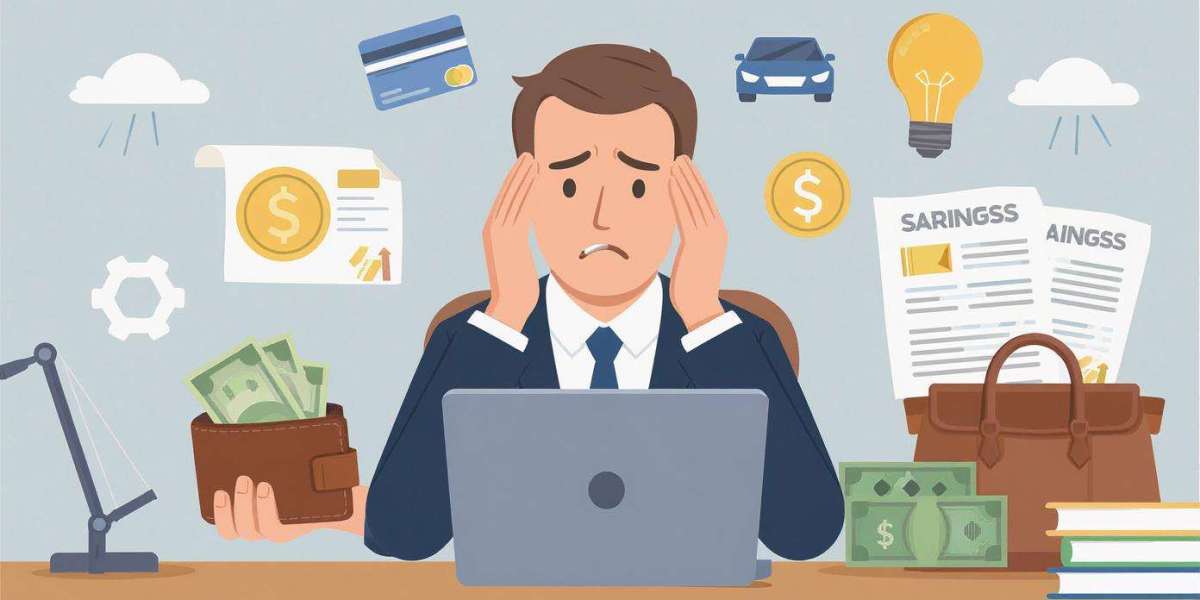

Many individuals believe that higher income automatically leads to better financial stability. However, countless professionals discover they are earning more but saving less despite consistent income growth. This outcome is rarely caused by insufficient earnings. Instead, lifestyle choices quietly shape spending patterns that prevent savings from growing, even when income improves.
Lifestyle Decisions Are Made Emotionally
Lifestyle choices are often driven by emotions rather than logic. As income increases, people feel more confident upgrading their daily routines. Dining preferences change, entertainment becomes more frequent, and convenience replaces cost-conscious behavior. These emotional decisions feel justified in the moment but slowly reduce savings capacity. Over time, emotional lifestyle spending becomes habitual, reinforcing the cycle of earning more but saving less.
Comfort-Based Spending Becomes Routine
Higher income allows individuals to prioritize comfort. Air-conditioned workspaces, premium commuting options, high-quality food, and paid services improve daily life. While comfort enhances well-being, it also raises baseline expenses. Once comfort-based spending becomes routine, reducing it feels like a downgrade, making savings growth difficult.
Lifestyle Upgrades Replace Financial Goals
As lifestyle improves, financial goals often take a backseat. People focus more on maintaining their upgraded lifestyle than building long-term security. Vacations, gadgets, and experiences feel more urgent than saving for the future. This shift in priority explains why income growth does not always translate into financial progress.
Spending Reflects Identity Changes
Lifestyle choices often reflect personal identity. With higher income, individuals begin to see themselves differently and adjust spending to match that identity. Clothing, housing, social activities, and personal branding expenses increase. These identity-driven purchases reinforce social positioning but reduce savings potential, contributing to earning more but saving less.
Daily Convenience Adds Long-Term Cost
Convenience-driven lifestyle choices carry hidden costs. Ordering food instead of cooking, using ride services instead of public transport, or paying for time-saving services feels efficient. However, daily convenience expenses accumulate significantly over months and years. These invisible costs erode income gains without obvious warning signs.
Fixed Lifestyle Costs Expand Quietly
Lifestyle improvements often introduce fixed expenses. Larger homes, premium neighborhoods, and upgraded utilities increase monthly obligations. Fixed costs reduce financial flexibility because they must be paid regardless of income changes. When these expenses rise alongside income, savings growth becomes restricted.
Social Circles Influence Lifestyle Standards
Lifestyle choices are influenced by social environments. As income increases, social circles may shift toward higher-spending groups. Group dining, celebrations, travel, and shared activities encourage higher expenses. These social expectations subtly pressure individuals to spend more, even when savings goals suffer.
Success-Based Reward Spending
Many professionals reward themselves for career progress through lifestyle upgrades. Promotions, business milestones, or financial wins often trigger celebratory spending. While rewards can be motivating, frequent reward-based lifestyle spending weakens long-term savings discipline.
Lack of Lifestyle Boundaries
Without clear boundaries, lifestyle spending expands freely. People rarely set limits on comfort, entertainment, or experiences. Income growth removes perceived constraints, allowing lifestyle costs to grow unchecked. This absence of boundaries explains why people continue earning more but saving less even when income potential is strong.
Conscious Lifestyle Design Matters
Lifestyle choices do not need to undermine savings. Conscious lifestyle design allows individuals to enjoy comfort while protecting financial goals. Aligning lifestyle decisions with long-term priorities ensures income growth supports both present enjoyment and future security.
Important Information of This Blog
Earning more without saving is often the result of lifestyle choices driven by comfort, identity, convenience, social influence, and emotional rewards. Many individuals remain earning more but saving less because lifestyle upgrades expand faster than financial discipline. Sustainable savings growth requires intentional lifestyle boundaries, mindful spending decisions, and aligning daily choices with long-term financial objectives.
At BusinessInfoPro, we empower entrepreneurs, small businesses, and professionals with actionable insights, strategies, and tools to fuel growth. By simplifying complex ideas in business, marketing, and operations, we help you turn challenges into opportunities and navigate today’s dynamic market with confidence. Your success is our mission because when you grow, we grow.