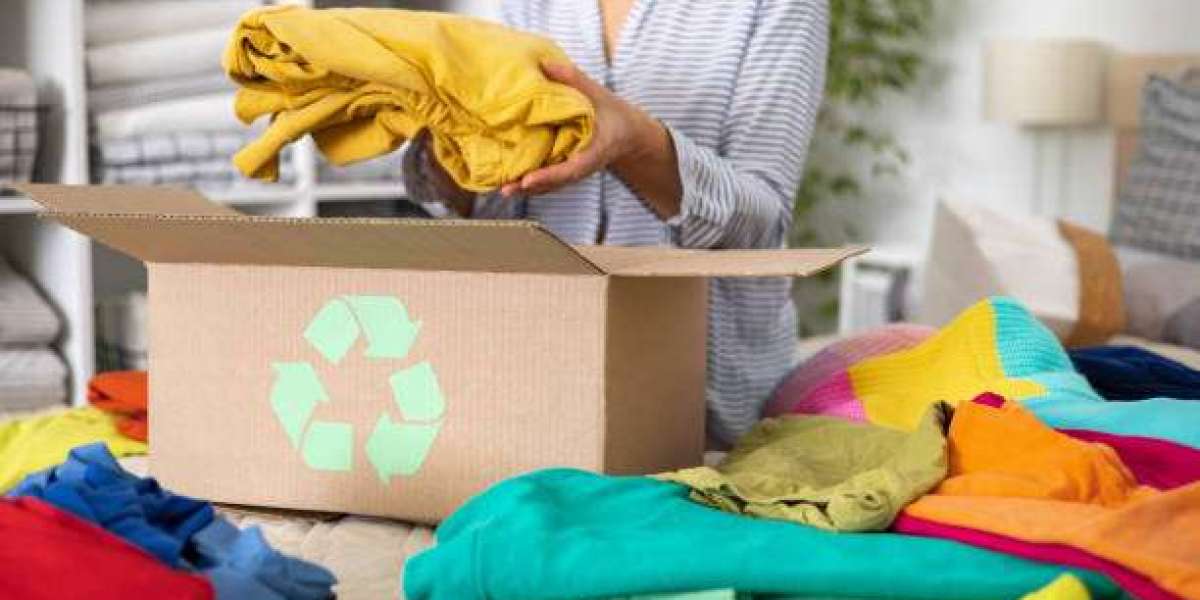

Textile recycling has become an essential solution to one of the most pressing environmental challenges of modern times: textile waste. With fashion consumption increasing rapidly across the globe, vast amounts of clothing and fabric-based products are discarded each year. Many of these items still have value, yet they often end up in landfills where they contribute to pollution and resource depletion. Textile recycling offers a practical and sustainable alternative that benefits the environment, the economy, and society.
The textile industry is among the most resource-intensive sectors in the world. Producing clothing requires large quantities of water, energy, chemicals, and raw materials. When textiles are thrown away instead of reused or recycled, these resources are effectively wasted. Recycling helps break this cycle by extending the life of fabrics and reducing the need for new production.
Understanding Textile Waste
Textile waste includes clothing, household linens, footwear, accessories, and industrial fabrics. Much of this waste is generated due to fast fashion trends, where garments are designed for short-term use and quickly replaced. As a result, landfills are overwhelmed with textiles that could otherwise be reused or repurposed.
Synthetic fabrics, in particular, pose a major problem. Materials like polyester and nylon can take hundreds of years to decompose, releasing microplastics and harmful gases into the environment. Textile recycling helps divert these materials from landfills and reduces long-term environmental damage.
How Textile Recycling Supports Sustainability
Recycling textiles plays a crucial role in promoting sustainable living. By reusing existing materials, recycling reduces the demand for virgin fibers such as cotton, wool, and petroleum-based synthetics. This leads to lower water consumption, reduced chemical usage, and decreased greenhouse gas emissions.
Additionally, textile recycling supports a circular economy. Instead of following a “take, make, dispose” model, recycled textiles are reintegrated into the production cycle. Fabrics can be transformed into new clothing, industrial materials, insulation, cleaning cloths, or furniture padding. This approach maximizes resource efficiency and minimizes waste.
The Textile Recycling Process
The process begins with the collection of used textiles from households, businesses, and institutions. These materials are then sorted based on condition, fabric type, and quality. Wearable items are separated for reuse through resale or donation channels, while damaged or worn-out textiles move on to recycling stages.
Recycling methods may include mechanical shredding, where fabrics are broken down into fibers, or chemical recycling, which dissolves fibers to create new raw materials. Each method ensures that textiles are repurposed responsibly instead of discarded.
Environmental Benefits of Recycling Textiles
The positive environmental impact of textile recycling is substantial:
Reduced landfill pressure by diverting fabric waste
Lower carbon emissions due to reduced manufacturing needs
Water conservation, especially important for cotton production
Less pollution from dyes, chemicals, and synthetic fibers
These benefits make textile recycling a powerful tool in combating climate change and environmental degradation.
Economic and Community Impact
Beyond environmental advantages, textile recycling also supports economic growth. The industry creates employment opportunities in collection, sorting, processing, and resale. It also provides affordable clothing options to communities and supports charitable initiatives.
Communities that promote recycling practices often experience increased environmental awareness and responsible consumption habits. Educational programs and recycling initiatives encourage individuals to think more carefully about their purchasing and disposal decisions.
What Individuals Can Do
Everyone has a role to play in reducing textile waste. Simple actions such as donating unwanted clothes, repairing garments, or recycling damaged textiles can make a meaningful difference. Choosing quality over quantity when shopping and supporting secondhand markets further strengthens sustainable practices.
Proper disposal is equally important. Instead of throwing fabrics into regular trash bins, individuals should seek textile recycling programs or organizations that handle fabric waste responsibly.
Role of Businesses in Textile Recycling
Businesses have a significant influence on recycling outcomes. Retailers can implement take-back programs, manufacturers can design recyclable products, and organizations can partner with recycling services to manage textile waste efficiently. Corporate responsibility initiatives that support recycling help build trust with environmentally conscious consumers.
Conclusion
Textile recycling is no longer optional—it is a necessity for a sustainable future. By reducing waste, conserving resources, and supporting economic development, recycling fabrics helps protect the planet while benefiting communities.
Through responsible recycling practices and community engagement, companies like Green City Recycle continue to play an important role in promoting environmental responsibility and supporting a cleaner, more sustainable world.