
The decision is behind you. After weighing surgical alternatives against non-invasive options, studying clinical outcomes, and selecting a qualified practitioner, you underwent the procedure. The ultrasound technology targeted precise tissue layers, awakening your body's regenerative capabilities. In the weeks that followed, you observed the gradual emergence of firmer, more defined facial contours.
The critical phase starts now.
When you undergo an ultherapy treatment, you trigger a biological renewal process that extends far beyond the treatment room. The focused ultrasound creates thermal coagulation points at strategic depths, stimulating fibroblasts to produce fresh collagen over half a year. Yet this rebuilding collagen remains delicate and susceptible. Your everyday choices either shield this new structural protein or expedite its deterioration. A methodical skincare approach can extend your visible results by eighteen to twenty-four months. Carelessness can halve that duration.
This guide details precisely how to protect your investment.
Commit to Daily Solar Defense
Sun exposure stands as the foremost environmental factor in collagen destruction. A landmark study in the Annals of Internal Medicine revealed that participants applying broad-spectrum SPF 30 consistently experienced 24% less skin aging over 4.5 years than those applying it intermittently. After an ultherapy treatment, your skin is actively constructing new collagen matrices. UV damage degrades these developing structures before they achieve stability.
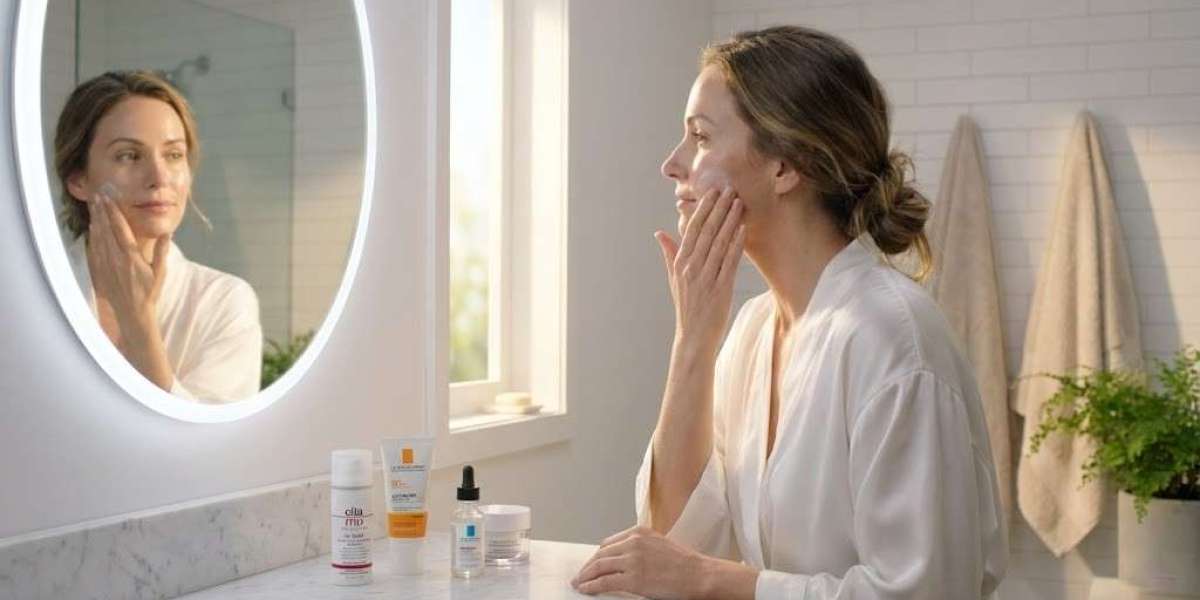
Apply minimum SPF 30, broad-spectrum, each morning without fail. This applies to overcast days and winter months equally. If your workspace includes window exposure, reapply every two hours on uncovered skin. Zinc oxide-based products like EltaMD UV Clear or La Roche-Posay Anthelios Mineral deliver comprehensive UVA and UVB protection while respecting the sensitivity of post-procedure skin.
Integrate Prescription-Strength Retinoids
Retinoids occupy unique status as the only topical agents with decades of peer-reviewed literature confirming their collagen-stimulating and cell-turnover-accelerating properties. Prescription tretinoin at concentrations of 0.025% to 0.05% remains the clinical gold standard. Over-the-counter retinol alternatives produce similar effects more gradually, requiring conversion to retinoic acid within the skin.
Begin retinol or tretinoin application three to four weeks following your ultherapy treatment, once initial sensitivity has resolved. Use a pea-sized quantity on clean skin two to three nights weekly initially, advancing toward nightly application over two to three months. Accompany with moisturizer to minimize irritation.
If retinoids aren't currently in your routine, request tretinoin from your aesthetic provider when discussing your ultherapy treatment aftercare. Most practitioners will accommodate this. It represents among the most direct methods for supporting the collagen proliferation your procedure initiated.
Deploy Peptide Serums Strategically
Peptides—short amino acid chains—function as cellular signals prompting increased collagen synthesis. They complement rather than replace retinoids, operating through alternate pathways. Matrixyl 3000 and Argireline feature prominently in the research literature. The Ordinary Buffet makes Matrixyl 3000 accessible economically, while SkinMedica TNS Advanced+ Serum represents the professional-grade option most frequently recommended following energy-based interventions.
Apply peptide serum to clean skin each morning before sunscreen. This provides daily collagen encouragement without the peeling cycle associated with retinoid use.
Prioritize Hydration Post-Procedure
Skin actively remodeling after an ultherapy treatment requires adequate moisture for optimal healing. Dehydrated tissue repairs inefficiently and displays aging indicators prematurely. Hyaluronic acid serums attract environmental moisture into the skin, creating conditions favorable to proper collagen development. CeraVe Hydrating Serum and Neutrogena Hydro Boost Gel Cream offer affordable, well-formulated choices. B5 (panthenol) serums from brands like The Ordinary contribute additional barrier support.
Apply hyaluronic acid to damp skin immediately after cleansing, then seal with moisturizer. Omitting this step and applying actives to dry, compromised skin increases sensitivity and reduces tolerability. Reduced tolerability leads to less frequent active use, which diminishes long-term collagen stimulation—a domino effect.
Abandon Collagen-Compromising Habits
No skincare routine can counteract behaviors that actively destroy collagen. Smoking reduces cutaneous blood flow and generates free radicals that directly degrade collagen fibers. Studies document that smokers experience measurably accelerated collagen loss compared to non-smokers of identical age. If you smoke, your ultherapy treatment results will deteriorate faster regardless of product investment.
High glycemic diets trigger glycation, a process where sugar molecules attach to collagen, rendering it inflexible and brittle. This mechanism is established science. Advanced glycation end-products accumulate in skin tissue and correlate directly with accelerated aging. Reducing refined sugar intake represents one of the most impactful yet underutilized tools for maintaining results following any collagen-stimulating intervention.
Inadequate sleep and chronic stress elevate cortisol, which inhibits collagen synthesis. No topical can remedy this. Sleep constitutes the primary period for skin repair. Research supports seven to eight hours nightly.
Develop a Maintenance Calendar With Your Clinic
Most patients approach an ultherapy treatment as a singular event. Clinicians view it as an ongoing protocol. A single session achieves maximum collagen response approximately three to six months post-procedure, after which natural aging gradually erodes improvements. Annual or biannual maintenance sessions prevent this erosion from becoming reversal.
Between full ultherapy treatment appointments, your provider may recommend complementary interventions such as radiofrequency microneedling, HIFU boosters, or medical-grade facials timed to support the collagen remodeling cycle. Request a twelve-month maintenance roadmap following your initial session. Quality clinics provide this planning as standard practice without additional charge.
The Condensed Routine
- Morning: gentle cleanser, hyaluronic acid serum, peptide serum, moisturizer, SPF 30 or higher
- Evening: gentle cleanser, moisturizer, retinoid (begin three nights weekly, progress toward nightly)
- Weekly: monitor for new sun damage, adjust protection practices as needed, ensure adequate hydration before anticipated skin stressors like travel or social events
- Monthly: evaluate results under consistent lighting. Capture a baseline photograph immediately following your ultherapy treatment for monthly comparison. This objective assessment maintains accountability regarding routine effectiveness and indicates optimal timing for maintenance visits.
Your home care regimen isn't separate from your ultherapy treatment—it completes it. The procedure establishes the foundation. Your daily discipline determines how long that foundation endures.