
If you have ever been curious about haunted objects, paranormal investigations, or the stories behind some of America's most chilling cases, then the Ed and Lorraine Warren Museum is probably already on your radar. Tucked away in Monroe, Connecticut, this one-of-a-kind collection has been drawing curious visitors, paranormal enthusiasts, and skeptics alike for decades. It is not your typical museum with roped-off paintings and gift shop postcards. This place holds objects that people genuinely believe are dangerous, and the story behind it is just as fascinating as anything inside.
Let's walk through everything you need to know.
Purpose Behind Creating the Museum
Ed and Lorraine Warren were among the most well-known paranormal investigators in American history. Over the course of their careers, which spanned more than five decades, they looked into hundreds of cases involving alleged hauntings, demonic activity, and unexplained phenomena. As they worked through these cases, they started collecting objects that were tied to the incidents they investigated.
The Warren Museum of the Occult was created as a way to store these objects safely and keep them away from the general public. Ed Warren always maintained that many of the items in the collection were genuinely dangerous and should not be in regular circulation. He believed that throwing them away or destroying them would not neutralize whatever energy or attachment was connected to them. Keeping them contained, with regular religious blessings performed by a Catholic priest, was seen as the responsible approach.
The museum was set up in the basement of the Warren family home in Monroe, Connecticut. It was never meant to be a commercial attraction in the traditional sense. It started as a place to store and contain, and over time it became something that curious people wanted to see for themselves.
Types of Objects Stored Inside
The Warren Museum of the Occult holds well over 50 objects, and the collection covers a pretty wide range. You will find things like cursed dolls, occult masks, statues connected to cult activity, and items linked to alleged possessions and hauntings. Some objects were handed over by families who wanted them out of their homes. Others were confiscated during investigations.
The items are kept in various states. Some are locked in cases. Some are behind glass. A few, like the most famous one in the collection, are kept in a specially built locked cabinet with specific warnings posted on the outside.
The objects span different belief systems and backgrounds. There are items tied to Satanic rituals, others connected to witchcraft, and some that were involved in cases where clients reported physical harm or extreme psychological distress. The Warrens approached their work from a Catholic perspective, so the collection reflects that worldview heavily.
Famous Cases Linked to Exhibits
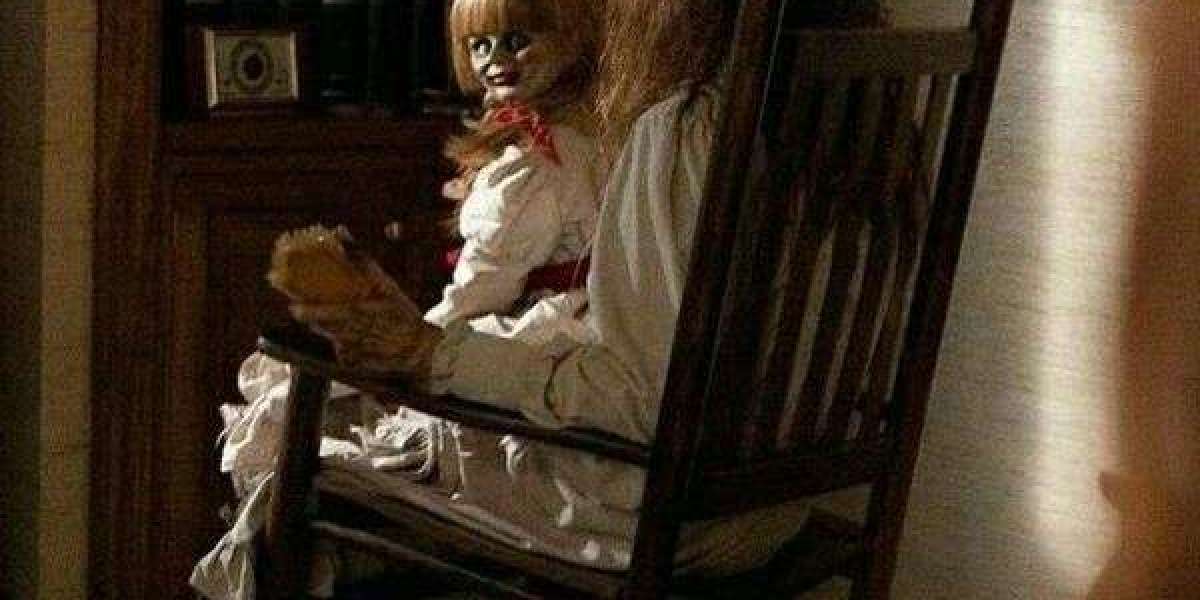
The most talked-about object in the Warren Museum of the Occult is without question Annabelle, the Raggedy Ann doll. In the early 1970s, a nursing student in Connecticut claimed that the doll was moving on its own and leaving written notes around her apartment. The Warrens investigated and concluded that the doll was not possessed in the traditional sense but was being manipulated by a malicious inhuman spirit. They took the doll and placed it in a locked glass case, where it has remained ever since. The Annabelle doll directly inspired the film franchise of the same name, though the movies changed the doll's appearance significantly.
Other notable items include objects tied to the Perron family haunting in Rhode Island, which became the basis for the original Conjuring film. The Warrens also investigated the famous Amityville Horror case in New York, and items from that investigation are represented in the collection as well.
There is also a section tied to the Smurl haunting in West Pittston, Pennsylvania, a case that received significant media attention in the 1980s and was later adapted into a television movie. Each of these cases had real families at the center of them, and the objects in the museum serve as physical reminders of those investigations.
Public Tours and Visitor Restrictions
This is where things get a little different from your average museum visit. The Warren Museum of the Occult is not open to the public in the way that most museums are. You cannot just show up and buy a ticket. The museum is located on private property, and access has always been limited and controlled.
During Ed and Lorraine Warren's active years, they would sometimes allow small groups to visit, often as part of lectures they gave on paranormal investigation. Lorraine was known to host events and tours on a limited basis. These were never large-scale public events, and the access was always selective.
Following Lorraine Warren's passing in 2019, the family has maintained control of the property. Tony Spera, who is Lorraine's son-in-law and was a close collaborator with the Warrens, has been involved in managing the collection. Occasional tours and access have been arranged, but nothing that resembles a regular public schedule. If you are seriously interested in visiting, reaching out through official channels connected to the Warren family is the recommended path.
It is also worth noting that some people who have visited have described the experience as genuinely unsettling, regardless of where they stand on the paranormal. The setting, the objects, and the stories attached to them create an atmosphere that is hard to shake.
Controversies Surrounding the Collection
The Warren Museum of the Occult has never been without its critics. The Warrens themselves were polarizing figures throughout their careers. Skeptics argued that they sensationalized cases for profit and that their investigations lacked scientific rigor. Some of the families involved in high-profile cases later gave conflicting accounts of what actually happened during investigations.
The Amityville case in particular has been widely disputed. Several researchers and journalists have published work suggesting that the haunting was largely fabricated, and that the Warrens played a role in building up the mythology around it. The Warrens always denied this.
There are also questions about the chain of custody for some objects in the collection and whether the stories attached to them are fully accurate. Because paranormal investigation is not a regulated field, there is no independent verification process for the claims made about the items.
Some religious scholars and members of the clergy have also weighed in over the years, with opinions split on whether housing these objects in a private collection is appropriate or even responsible.
Despite all of this, the collection continues to draw significant interest, and the cultural footprint of the Warrens' work, largely thanks to the Conjuring film universe, has only grown in recent years.
Management After Lorraine Warren's Death
Lorraine Warren passed away on April 18, 2019, at the age of 92. Her death raised immediate questions about what would happen to the Warren Museum and the objects inside it.
Tony Spera has taken on the primary responsibility for the collection. He worked alongside the Warrens for many years, appeared in documentaries with them, and has continued to give interviews and speak publicly about the museum and its contents. He has been clear that the collection is not going anywhere and that the same protocols for maintaining and blessing the objects are still being followed.
The Warren family has also maintained connections with the entertainment industry, particularly with the producers of the Conjuring franchise. This has kept the public profile of the collection high even in the years since Lorraine's passing.
There has been no public announcement of plans to donate the collection to an institution or open it to broader access. For now, it remains a family-managed private collection.
Where the Collection Stands Today
Today, the Warren Museum remains in Monroe, Connecticut, largely as it has been for decades. The collection has not been moved or significantly changed. The objects are still stored in the basement of the Warren home, and the Annabelle doll is still locked in her case.
Interest in the collection has arguably never been higher, driven largely by the success of the Conjuring film series and the broader cultural fascination with true crime and the paranormal. Podcasts, YouTube channels, and documentaries have kept the stories alive for a new generation of people who never got to see the Warrens speak in person.
Whether you believe in the paranormal or not, the Warren Museum of the Occult represents something genuinely interesting: a decades-long record of American families who believed something was wrong in their homes, and two people who made it their life's work to respond. That story, and the objects that came out of it, are not going away anytime soon.
https://www.travelosei.com/hello-india/ed-and-Lorraine-Warren-museum
FAQs
1. Can anyone visit the Warren Museum of the Occult?
Not through a standard ticketing process. Access is limited and privately managed. Reaching out through official Warren family channels is the best way to inquire about any available tours.
2. Is the Annabelle doll still at the museum?
Yes. The Annabelle doll remains locked in her display case at the museum in Monroe, Connecticut. There have been no credible reports of it being moved or relocated.
3. Are the objects in the museum actually dangerous?
The Warren family believes many of the objects carry genuine spiritual risk. Skeptics disagree. Either way, the objects are treated with significant caution and receive regular religious blessings.
4. Did the Conjuring movies accurately show the museum?
The films were inspired by the collection but took significant creative liberties. The real Annabelle doll, for example, looks nothing like the cracked porcelain doll shown in the movies.
5. Who is in charge of the museum now that Lorraine Warren has passed?
Tony Spera, Lorraine Warren's son-in-law and longtime collaborator, oversees the collection and continues to speak publicly about its contents and history.