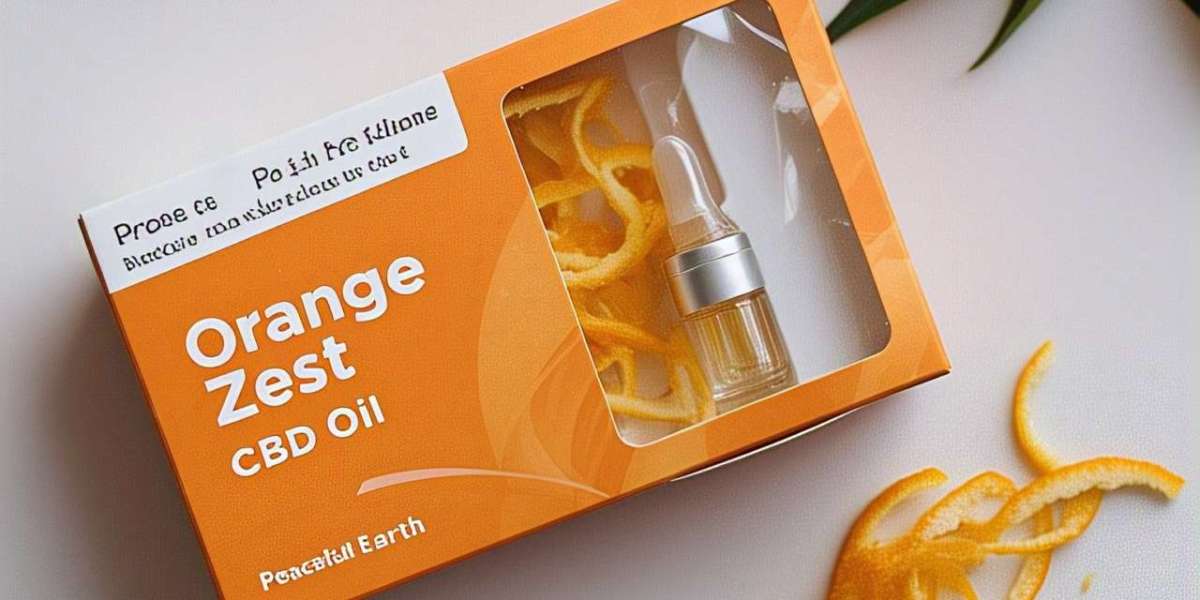

The essential oil industry has experienced explosive growth over the past decade. What was once a niche market known primarily to aromatherapists and natural health practitioners has become a mainstream wellness category, driven by consumer interest in natural remedies, holistic health, and chemical-free living.
The global essential oils market reached approximately $12 billion in 2023 and is projected to exceed $18 billion by 2030. Major players like doTERRA, Young Living, and Plant Therapy have built billion-dollar businesses, while thousands of smaller artisan brands compete in the DTC and specialty retail space.
But essential oils are among the most chemically sensitive consumer products on the market. They degrade when exposed to light, heat, oxygen, and certain materials. This makes essential oil boxes far more than a branding exercise — they're a critical line of defense between a potent, effective product and a degraded, worthless one.
Why Essential Oils Demand Exceptional Packaging
Essential oils are volatile organic compounds extracted from plants through steam distillation, cold pressing, or solvent extraction. Their chemical composition makes them inherently unstable when exposed to environmental factors:
UV Light Degradation
Ultraviolet and visible light catalyze oxidation reactions in essential oils. Citrus oils (lemon, orange, grapefruit, bergamot) are especially photosensitive — they can lose significant potency within weeks of light exposure. Even oils stored in amber or cobalt glass bottles benefit from secondary packaging (boxes) that blocks light during storage, retail display, and shipping.
Temperature Sensitivity
High temperatures accelerate evaporation of volatile compounds and can alter the chemical composition of essential oils. While the box itself isn't a thermal insulator, it provides a secondary barrier that moderates temperature fluctuations during transit and retail storage.
Oxidation
When essential oils are exposed to oxygen, their aromatic compounds break down. While the bottle's seal provides the primary oxygen barrier, a sealed box adds an additional layer of environmental protection — and prevents curious retail customers from repeatedly opening bottles to sniff them (a common problem that accelerates oxidation).
Physical Fragility
Essential oil bottles — typically 5ml, 10ml, 15ml, or 30ml amber glass with reducer caps or dropper tops — are small, fragile, and prone to:
- Breaking during shipping
- Falling off retail shelves
- Getting lost inside larger packages
- Dropper mechanisms cracking under pressure
Essential oil boxes provide the structural protection that these tiny, fragile bottles need.
Types of Essential Oil Boxes
The essential oil packaging market encompasses several box formats:
Individual Bottle Boxes
The most common format — a small, custom-printed box designed to hold a single essential oil bottle. Typically a tuck-end folding carton with a die-cut insert or foam pad to secure the bottle. Standard sizes range from 1.2"×1.2"×3" (for 5ml bottles) to 2"×2"×4.5" (for 30ml bottles).
Multi-Bottle Gift Sets
Boxes designed to hold 3, 6, 8, 10, or 12 bottles in a curated collection. These use internal cardboard dividers, die-cut foam inserts, or custom-molded trays to hold each bottle securely in its own compartment. Popular for:
- Starter kits
- Seasonal collections
- Gift sets
- Therapeutic blends (sleep, stress, immunity, energy)
Roller Bottle Boxes
10ml roll-on essential oil blends require slightly different box dimensions than standard dropper bottles. The roller mechanism adds height, and the narrower bottle profile allows for a more slender box design.
Display Boxes
Counter-display boxes designed for retail environments — holding 6–12 individual units in a shelf-ready configuration. The box serves as both shipping container and retail display, reducing setup time for retailers.
Subscription Boxes
Monthly essential oil subscription services (a significant and growing market segment) require boxes that:
- Hold multiple bottles safely
- Create an exciting unboxing experience
- Change designs monthly to maintain subscriber interest
- Include space for information cards, samples, and accessories
Material and Construction Standards for Essential Oil Boxes
Board Selection
- SBS (Solid Bleached Sulfate) — Premium white surface, excellent print quality. Standard for most essential oil brands.
- C1S/C2S Paperboard — Coated one side or both sides. Provides smooth printing surface while maintaining structural integrity.
- Kraft Board — Natural, eco-friendly aesthetic. Extremely popular among organic and wellness-focused essential oil brands.
- Recycled Paperboard — Growing demand from sustainability-conscious brands and consumers.
Thickness
Essential oil boxes should use 300–400 GSM paperboard minimum. Thinner stock feels flimsy and provides insufficient protection for glass bottles. Premium brands often use 400+ GSM for a substantial, weighted feel.
Internal Protection
Several options for securing bottles inside essential oil boxes:
| Insert Type | Protection Level | Cost | Aesthetic |
|---|---|---|---|
| Die-cut cardboard insert | Good | Low | Clean, recyclable |
| EVA foam insert | Excellent | Moderate | Premium, snug fit |
| Corrugated cradle | Good | Low | Industrial, eco-friendly |
| Molded pulp tray | Good | Moderate | Eco-premium |
| Velvet-flocked insert | Excellent | High | Ultra-luxury |
Printing Requirements
Essential oil boxes carry significant regulatory and informational content:
- Product name and botanical (Latin) name of the plant
- Volume (ml/fl oz)
- Extraction method
- Country of origin
- Ingredient list
- Usage directions and safety warnings
- "Keep out of reach of children" / "For external use only" warnings
- Batch/lot number
- Expiration or best-by date
- Brand logo and contact information
- Certifications (USDA Organic, Non-GMO, GC/MS Tested, etc.)
All of this information must be legible at small sizes — requiring high-resolution printing, clean typography, and thoughtful layout design.
Design Aesthetics in the Essential Oil Market
Essential oil packaging design falls into several distinct aesthetic categories:
Clinical/Scientific
Clean, white backgrounds with precise typography. Emphasizes purity, testing, and therapeutic-grade quality. Certifications and lab-testing callouts are prominent. Appeals to health practitioners and evidence-based consumers.
Botanical/Natural
Watercolor or line-art illustrations of the source plant. Earth tones, greens, and soft colors. Kraft or matte finishes. Appeals to the organic, holistic, and nature-connected consumer.
Modern Wellness
Minimalist design with contemporary typography, muted color palettes (sage, lavender, blush, cream), and generous white space. Aligns with the broader wellness lifestyle aesthetic popular on Instagram and Pinterest.
Luxury/Artisan
Dark backgrounds (black, navy, deep green) with metallic accents (gold foil, copper foil). Embossed logos. Heavyweight board. Appeals to the premium gift market and consumers who view essential oils as a luxury self-care product.
Fun/Approachable
Bright colors, playful typography, and illustrated characters or icons. Used by brands targeting essential oil newcomers and the casual wellness consumer. Lower price points, often found in mass retail (Target, TJ Maxx, Anthropologie).
Regulatory Considerations for Essential Oil Packaging
Essential oil labeling and packaging must navigate a complex regulatory landscape:
- FDA regulations — Essential oils sold as cosmetics or with therapeutic claims fall under FDA jurisdiction. Labeling requirements differ based on whether the product is marketed as a cosmetic, a drug, or a dietary supplement.
- CPSC requirements — Child-resistant packaging may be required depending on the product formulation and concentration.
- FTC guidelines — Marketing claims on packaging ("cures," "treats," "heals") are scrutinized. Brands must be careful with language.
- Proposition 65 (California) — Certain essential oil compounds may require Prop 65 warnings for California sale.
- International regulations — EU CLP (Classification, Labelling and Packaging) regulations impose additional requirements for essential oils sold in Europe.
Professional essential oil box manufacturers understand these requirements and can help brands navigate compliant packaging design.
E-Commerce Shipping Challenges
Essential oils are increasingly sold online — creating specific shipping challenges:
- Glass breakage — The #1 issue. Essential oil boxes must protect 5–30ml glass bottles through courier handling (drops, compression, vibration).
- Leakage — Broken dropper caps or reducer inserts can cause oil leakage that damages shipping cartons, ruins labels, and creates customer complaints.
- Temperature exposure — Packages sitting in delivery trucks or on porches in summer heat can reach 130°F+, degrading heat-sensitive oils.
- Multi-bottle orders — Customers ordering 3–10 bottles need them to arrive without any bottle-to-bottle contact that could cause cracking.
Solutions integrated into essential oil box design:
- Snug-fit internal inserts that eliminate movement
- Reinforced box construction with crush-resistant board
- Shrink bands or tamper-evident seals on bottles (preventing leakage)
- "Fragile" and orientation markings on shipping cartons
- Custom-sized boxes that prevent bottles from shifting inside larger shipping containers
Protect Nature's Gifts with Packaging That Performs
Essential oils are precious — concentrated plant compounds that take enormous amounts of raw material to produce. A single ounce of rose essential oil requires approximately 60,000 roses. That kind of value deserves packaging that protects, presents, and sells with integrity. We Print Your Box manufactures premium custom essential oil boxes for individual bottles, multi-bottle gift sets, roller blends, and retail displays. UV-blocking materials, precision die-cut inserts, FDA-compliant printing, and finishes that communicate your brand's quality — from botanical kraft designs to luxury foil-stamped presentations. Low minimums for artisan brands, scalable production for major distributors, and free design support from concept to delivery. Protect your oils. Elevate your brand. Contact Weprintyourbox for a free quote and sample today.