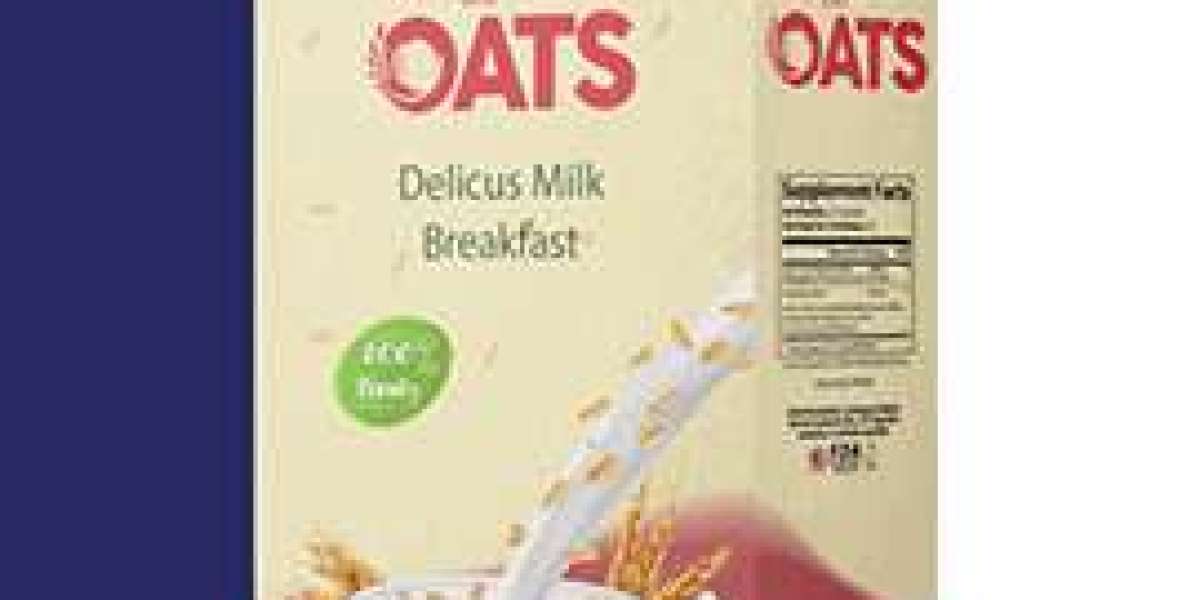

There's a peculiar truth about breakfast cereal boxes that marketers in other industries would kill for: people actually read them.
Think about it. You're sitting at the breakfast table — half awake, coffee not yet kicked in, phone deliberately left in the other room (or not) — and there it is. The cereal box. Front and center. You read the front panel. You flip it around and read the nutrition facts. You scan the ingredients. You study the mascot. You notice the "NEW!" callout in the corner.
No other consumer product packaging commands 5–15 minutes of undivided visual attention on a daily basis. Not shampoo bottles. Not snack bags. Not beverage labels. The breakfast cereal box is, minute-for-minute, the most viewed piece of packaging in the American household.
And yet, many emerging cereal brands — especially in the booming natural, organic, and specialty cereal space — treat their box as an afterthought.
The Cereal Market in 2024
The U.S. breakfast cereal market is worth approximately $20 billion and remains one of the most competitive categories in grocery retail. While legacy giants like General Mills, Kellogg's, and Post still dominate shelf space, a wave of insurgent brands is reshaping the category:
- Health-focused cereals (high protein, keto, low sugar, grain-free)
- Organic and non-GMO cereals
- Kids' cereals with cleaner ingredient lists
- Nostalgia-driven brands (recreating childhood favorites with modern formulations)
- International and specialty cereals (granola, muesli, ancient grain blends)
- Direct-to-consumer cereal brands selling online
Every one of these brands needs a box. And in a category where consumers make split-second decisions while scanning a 40-foot cereal aisle, the box doesn't just hold the cereal — the box IS the brand.
Anatomy of an Effective Breakfast Cereal Box
Decades of consumer research, eye-tracking studies, and retail psychology have identified what makes breakfast cereal boxes work:
1. The Front Panel: Your 3-Second Billboard
The front of a cereal box is arguably the most competitive real estate in grocery packaging. Here's what the best ones include:
- Brand name and logo — prominently placed, immediately recognizable
- Product name/variety — clear, readable from 4–6 feet away (typical aisle scanning distance)
- Hero image — a photograph or illustration of the cereal, often shown in a bowl with milk to trigger appetite appeal
- Key differentiator — "High Protein," "Organic," "No Added Sugar," "Gluten Free" — the single most compelling reason to pick this box over the 200 others on the shelf
- Character or mascot — for brands targeting kids and families, a memorable character drives recognition and loyalty (Tony the Tiger has been doing this since 1952)
Eye-tracking research shows that consumers' eyes typically follow a Z-pattern on cereal box front panels: top-left (brand) → top-right (callout) → bottom-left (product image) → bottom-right (size/variety). Smart designers place their most important elements along this path.
2. The Side Panels: Nutrition and Story
Cereal boxes have two valuable side panels that most brands underutilize:
- Nutrition Facts Panel — mandatory, regulated by the FDA, and the #1 most-read element on the box (after the front panel)
- Brand Story Panel — the opposite side is your opportunity to tell your origin story, share your mission, explain your sourcing, or connect emotionally with the consumer
The best brands use the story panel to build a relationship: "We started this company in our kitchen because our kids deserved better cereal..." That narrative, read every morning, creates loyalty no Instagram ad can match.
3. The Back Panel: Engagement
The back of a cereal box is entertainment. For kids' cereals, it's games, puzzles, mazes, trivia, and collectible cut-outs. For adult brands, it's recipes, serving suggestions, partnership callouts, or social media prompts.
This panel gets the longest viewing time — the person sitting across from the box at breakfast is staring directly at it.
4. The Top and Bottom
Often ignored, but important:
- Top panel — visible when the box is stored above eye level on a pantry shelf. Brand name/logo should be legible here.
- Bottom panel — barcodes, batch codes, expiration dates, and manufacturing information.
Materials and Construction
Standard breakfast cereal boxes are made from SBS (Solid Bleached Sulfate) paperboard or recycled paperboard (CRB/URB) — typically in the 16–20 pt range. The box is printed via offset or flexographic printing, die-cut, folded, and glued into a standard reverse-tuck or straight-tuck configuration.
Inside, a polyethylene bag (HDPE or LDPE) holds the cereal and provides the actual barrier against moisture, oxygen, and contamination. The box provides structure, protection during shipping, and — most importantly — the marketing canvas.
Emerging material trends in breakfast cereal boxes:
- Recycled content board — Consumers and retailers (especially Whole Foods and natural grocers) increasingly prefer packaging with high recycled content
- Water-based coatings — Replacing petroleum-based varnishes for improved recyclability
- Compostable inner bags — Some brands are replacing plastic liners with compostable film alternatives (PLA-based or cellulose-based)
- Reduced box sizes — Right-sizing boxes to reduce material usage and eliminate the "half-empty box" complaint that frustrates consumers
Design Trends Reshaping Cereal Box Aesthetics
The cereal aisle is undergoing a visual revolution. Here's what's trending:
Minimalism
Clean backgrounds, simple typography, and restrained color palettes. Brands like Three Wishes, Magic Spoon, and Catalina Crunch have popularized a sleek, modern look that signals "adult" and "premium."
Illustration Over Photography
Hand-drawn illustrations, watercolor elements, and artistic renderings are replacing the traditional "cereal in a bowl" photo. This creates a craft and artisan feel that resonates with health-conscious consumers.
Bold Typography
Oversized, statement-making fonts that make the product name the hero. When the name IS the selling point ("PROTEIN" / "KETO" / "FIBER"), making it massive and unmissable works.
Transparent Storytelling
Ingredient callouts, sourcing details, and nutritional highlights displayed prominently on the front panel — not hidden in fine print. Today's cereal consumer wants to know what they're eating before they flip the box.
Matte Finishes
Matte and soft-touch coatings are replacing the glossy, plasticky look of traditional cereal boxes. Matte surfaces feel more premium and photograph better — a critical advantage in the age of social media grocery hauls.
The DTC Cereal Revolution and Packaging Implications
Direct-to-consumer cereal brands — selling through their own websites, Amazon, and subscription models — face different packaging challenges than traditional retail brands:
- Shipping durability — Boxes must survive courier handling without crushing
- Shelf appeal vs. screen appeal — The box must look stunning in product photography, not just on a physical shelf
- Unboxing experience — DTC customers often share unboxing content; the cereal box should photograph well inside the shipping carton
- Subscription packaging — Monthly subscribers expect fresh design elements or seasonal variations to maintain excitement
- Size flexibility — DTC brands can offer non-standard box sizes that wouldn't fit retail shelf planograms
The Cereal Box as Cultural Artifact
It's worth pausing to appreciate that breakfast cereal boxes occupy a unique place in American culture. They've been collected, exhibited in museums, studied by sociologists, and parodied by comedians. The cereal box is one of the few packaging formats that people develop genuine nostalgia for.
Brands that understand this cultural weight — and design their breakfast cereal boxes accordingly — create packaging that transcends commerce and becomes part of their customers' daily lives.
Build a Cereal Box That Owns the Breakfast Table
Your cereal deserves a box that works as hard as your recipe. Whether you're a startup launching your first SKU or an established brand refreshing your lineup, the right packaging partner makes all the difference. Product packaging solutions manufactures custom breakfast cereal boxes with vibrant, high-resolution printing, food-safe materials, and construction engineered for both retail shelf impact and shipping durability. From single SKUs to full product line packaging systems, Custom Product Packaging offers free design support, competitive pricing, low minimums for emerging brands, and fast turnaround for established producers. Own the most valuable real estate in the kitchen — contact CPP for your free cereal box quote today.