
Transform Your Learning Environment with the Basics of Restorative Practices Poster
Creating meaningful change in educational settings, workplaces, and community organizations requires more than good intentions—it demands practical tools that keep core principles front and center. Our Basics of Restorative Practices Poster serves as a powerful visual reminder of the foundational concepts that build stronger relationships, foster accountability, and restore community harmony when harm occurs.
Educational institutions and organizations nationwide are discovering the transformative power of restorative practice posters as essential classroom and office tools. These visual learning aids provide immediate reference points for facilitators, educators, administrators, and community members working to implement relationship-centered approaches to conflict resolution.
Why Restorative Practice Posters Are Essential Educational Tools
By displaying key concepts prominently, restorative practice posters create environments where everyone understands the framework for addressing harm and rebuilding trust. These professional visual aids serve as constant reminders that help maintain consistency in implementation across entire organizations, ensuring that restorative principles remain central to daily interactions and decision-making processes.
akoben llc has dedicated over a decade to advancing restorative practices across schools, human service agencies, and community organizations throughout the United States. Founded by Dr. Malik Muhammad, our organization has trained thousands of educators and practitioners in trauma-informed, culturally relevant approaches to building restorative communities that prioritize healing and accountability.
The Framework: Understanding Restorative Questions
At the heart of restorative practices lies a simple yet profound shift in how we address wrongdoing and conflict. Rather than asking "What rule was broken?" or "Who's to blame?", restorative questions guide us toward understanding impact, taking responsibility, and identifying pathways to repair through structured dialogue that honors dignity.
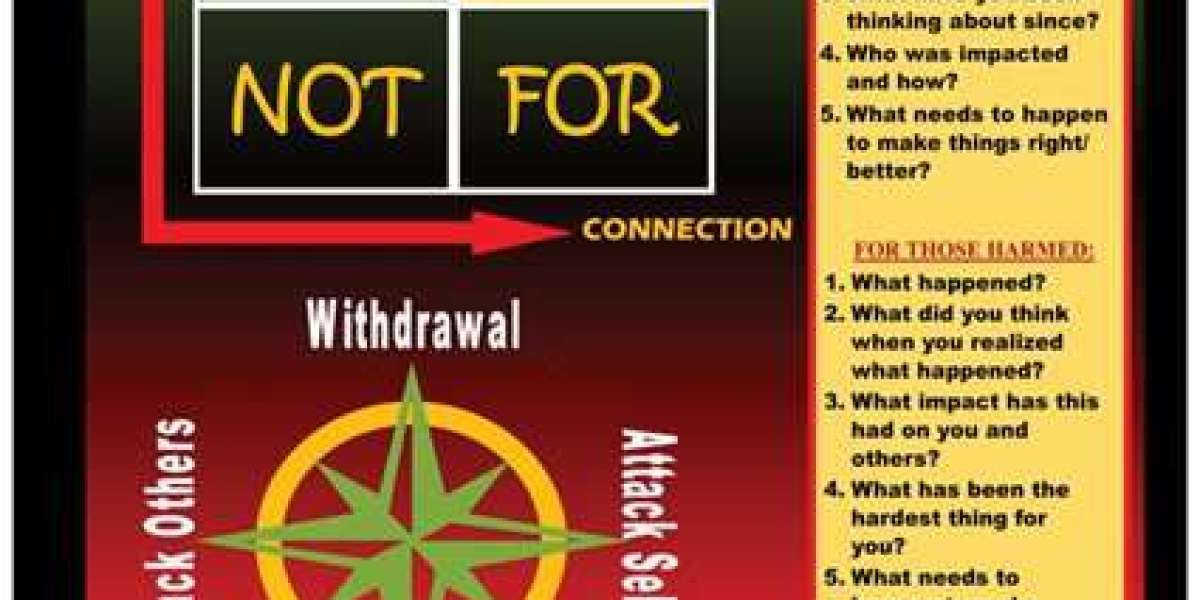
The poster features essential restorative questions that help practitioners facilitate meaningful conversations when harm occurs. Questions like "What happened?", "Who has been affected?", "What needs to happen to make things right?", and "How can we ensure this doesn't happen again?" provide a framework that honors everyone's humanity while maintaining accountability and creating pathways toward genuine reconciliation.
How Restorative Questions Create Cultural Transformation
Restorative questions work because they shift our focus from punishment to understanding, from isolation to connection, and from blame to collective problem-solving. When displayed prominently in classrooms, meeting rooms, or community spaces, these questions become part of the cultural fabric, reminding everyone that there's always a path toward restoration and growth rather than simply punishment and exclusion.
The structured inquiry approach helps those who've caused harm reflect deeply on their actions while giving those who've been harmed a voice in the healing process. By keeping these restorative questions visible, facilitators can respond to conflicts with intention rather than reaction, ensuring that every interaction becomes an opportunity for learning, growth, and strengthened relationships within the community.
Navigating Emotional Responses with the Compass of Shame
One of the most significant barriers to genuine accountability is shame, which often triggers defensive reactions that further damage relationships. Understanding the compass of shame, developed by psychiatrist Donald Nathanson, is crucial for anyone implementing restorative practices effectively because it helps practitioners recognize and respond skillfully to shame-based behaviors rather than simply reacting to surface-level actions.
The compass of shame identifies four common responses people display when experiencing shame: withdrawal, avoidance, attack self, and attack others. Our poster illustrates the compass of shame clearly, helping practitioners recognize these responses in real-time and respond with empathy rather than judgment, creating safer spaces for authentic accountability and healing to occur.
Applying the Compass of Shame in Restorative Practice
When a student becomes defensive or aggressive, understanding the compass of shame helps educators see the underlying shame response rather than simply reacting to the surface behavior with punitive measures. This deeper understanding transforms how we approach conflict, allowing us to address root causes rather than merely managing symptoms, which leads to more sustainable behavioral change and relationship repair.
By featuring the compass of shame prominently, the poster equips users to respond with empathy and skill when shame arises during restorative conversations. Rather than allowing shame to derail restorative processes, practitioners learn to create safe spaces where shame can be acknowledged, expressed, and ultimately transformed into opportunities for growth, demonstrating that mistakes don't define us but how we respond to them does.
Research-Based Approach to Shame and Accountability
Research consistently shows that the compass of shame framework enhances the effectiveness of restorative interventions by helping facilitators address the emotional dynamics that often complicate conflict resolution. When practitioners understand how shame manifests, they can guide participants through difficult conversations without triggering defensive reactions that prevent genuine accountability and healing from taking place.
The integration of the compass of shame into our poster reflects Akoben LLC's commitment to evidence-based, trauma-informed practices that recognize the complex emotional landscape of human conflict. This comprehensive approach ensures that your restorative practices address both behavioral issues and the underlying emotional needs that drive those behaviors, creating deeper and more lasting change.
Comprehensive Visual Design for Daily Implementation
Beyond restorative questions and the compass of shame, our poster includes the Social Discipline Window, affective statements guidance, and the core principles that distinguish restorative approaches from punitive discipline. The professional design ensures readability from across the room while maintaining visual appeal that enhances any learning environment, making it both functional and aesthetically appropriate for professional spaces.
Each element is strategically positioned to create visual flow that supports learning and quick reference during challenging moments. Whether you're facilitating a formal restorative circle or responding to an impromptu conflict, the poster provides immediate access to the frameworks and language that support effective restorative practice in real-time situations.
Invest in Lasting Cultural Change Today
Whether you're introducing restorative practices for the first time or deepening an established program, the Basics of Restorative Practices Poster provides daily reinforcement of key concepts that support consistent implementation. Organizations that display these visual tools report stronger implementation fidelity, increased staff confidence, and more consistent application of restorative principles across all levels of their organization.
The poster features durable, high-quality printing that withstands the demands of busy educational and professional environments, with laminated options ensuring longevity even in high-traffic areas. Join the growing movement of educators, administrators, and community leaders who are choosing restoration over punishment, relationships over rules, and healing over harm—order your Basics of Restorative Practices Poster today.