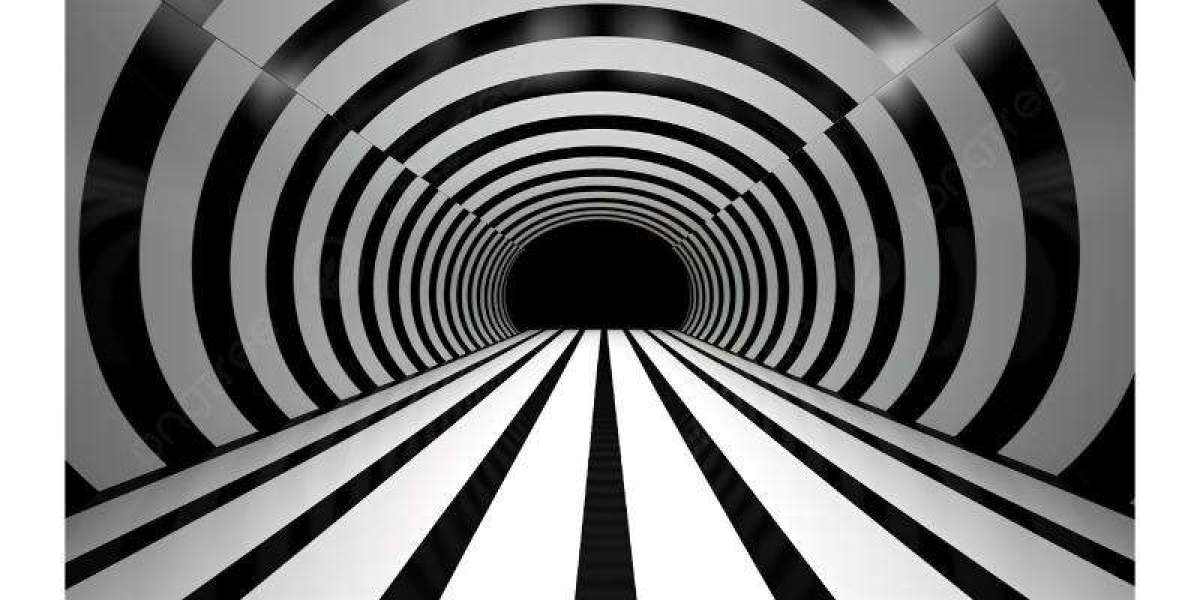

One of the most captivating aspects of visual art is its ability to make a flat canvas appear three-dimensional. Through skillful techniques, artists create the Illusion of Depth, transforming two-dimensional surfaces into scenes that feel immersive and lifelike. This technique allows viewers to feel as if they could step into the painting, experiencing space, distance, and dimension within a seemingly flat frame.
The illusion of depth is a combination of science, observation, and creativity. By manipulating perspective, layering, light, texture, and color, artists guide the viewer’s eye and create a sense of spatial reality.
Perspective: The Backbone of Depth
Perspective is the most fundamental tool for creating depth in paintings. It organizes visual elements in a way that mimics how our eyes perceive space.
Linear Perspective
Linear perspective uses vanishing points to make objects appear farther away as they recede into the distance.
One-point perspective: All lines converge to a single point, commonly used in roads or corridors.
Two-point perspective: Lines converge to two points, ideal for architectural angles and corner views.
Three-point perspective: Adds a third vanishing point for dramatic height or depth, perfect for cityscapes or tall structures.
By employing perspective correctly, artists create a realistic spatial framework that convinces viewers of distance and depth.
Foreshortening
Foreshortening adjusts proportions to show objects extending toward or away from the viewer. This technique enhances realism and makes figures or objects feel more dynamic and three-dimensional.
Overlapping and Size Variation
Overlapping is a simple but effective depth cue. When one object partially obscures another, the brain interprets the covered object as farther away.
Size variation reinforces this effect: objects closer to the viewer appear larger, while those farther away are smaller. Together, overlapping and scaling create a natural hierarchy of space.
Atmospheric Perspective
Atmospheric or aerial perspective simulates how air affects distant objects. Distant elements appear lighter, cooler, and less detailed.
Artists achieve this by:
Using muted, cooler colors in the background
Softening edges and reducing contrast for faraway objects
Maintaining sharper, more vibrant details in the foreground
This technique adds realism and depth, especially in landscapes and expansive scenes.
Visit more: https://medium.com/@wdl666/modern-abstract-pop-art-for-home-and-office-review-13351932944b
Light, Shadow, and Contrast
Light and shadow give objects volume and help define space.
Chiaroscuro: Using strong contrasts between light and dark to model forms and create dimensionality.
Cast shadows: Anchor objects to surfaces and indicate spatial relationships.
Proper use of light and shadow guides the viewer’s eye and enhances the sense of depth in a painting.
Layering and Composition
Artists often divide a painting into foreground, middle ground, and background layers.
Foreground: Contains detailed, high-contrast elements.
Middle ground: Moderately detailed and softer in contrast.
Background: Minimal detail with lighter tones and softer edges.
This arrangement creates a visual progression, making the scene feel more expansive and structured.
Texture and Brushwork
Texture contributes to the sense of spatial depth. Thick, textured brushstrokes in the foreground create a tactile presence, while smoother, subtle strokes in the background suggest distance.
Impasto techniques, where paint is applied heavily, can bring elements physically closer to the viewer. Conversely, delicate blending pushes elements further away.
Color and Spatial Perception
Color temperature influences depth perception:
Warm colors (reds, oranges, yellows) advance toward the viewer.
Cool colors (blues, greens, purples) recede into the background.
Artists combine warm and cool colors strategically to reinforce the illusion of space, even in abstract compositions.
Leading Lines and Visual Flow
Compositional elements like paths, rivers, fences, or architectural lines direct the viewer’s eye deeper into the painting. Diagonal lines, in particular, create movement and enhance the sense of space.
Even abstract art uses directional brushwork or tonal shifts to suggest layers and distance.
Combining Techniques
The most convincing illusions of depth occur when multiple methods are used together. For example, a forest painting might include:
Linear perspective with converging paths
Overlapping trees of different sizes
Atmospheric haze in the distance
Warm highlights in the foreground and cooler tones further back
When these techniques are applied in harmony, a flat canvas transforms into a three-dimensional experience.
Why Depth Matters
Depth adds realism, visual interest, and emotional engagement. It draws viewers into the scene and encourages exploration of the painting. Even abstract works rely on subtle cues of depth to prevent flatness.
Mastering the illusion of depth showcases an artist’s technical skill and creative vision, allowing them to create compelling, immersive art.
Final Thoughts
The Illusion of Depth is a cornerstone of effective painting. Through perspective, overlapping, scaling, layering, texture, and color, artists turn flat surfaces into visually rich and immersive environments. Recognizing these techniques allows viewers to appreciate the skill and craftsmanship behind every captivating painting. Next time you encounter a painting that feels alive, you’ll understand the careful combination of methods that brings its space to life.