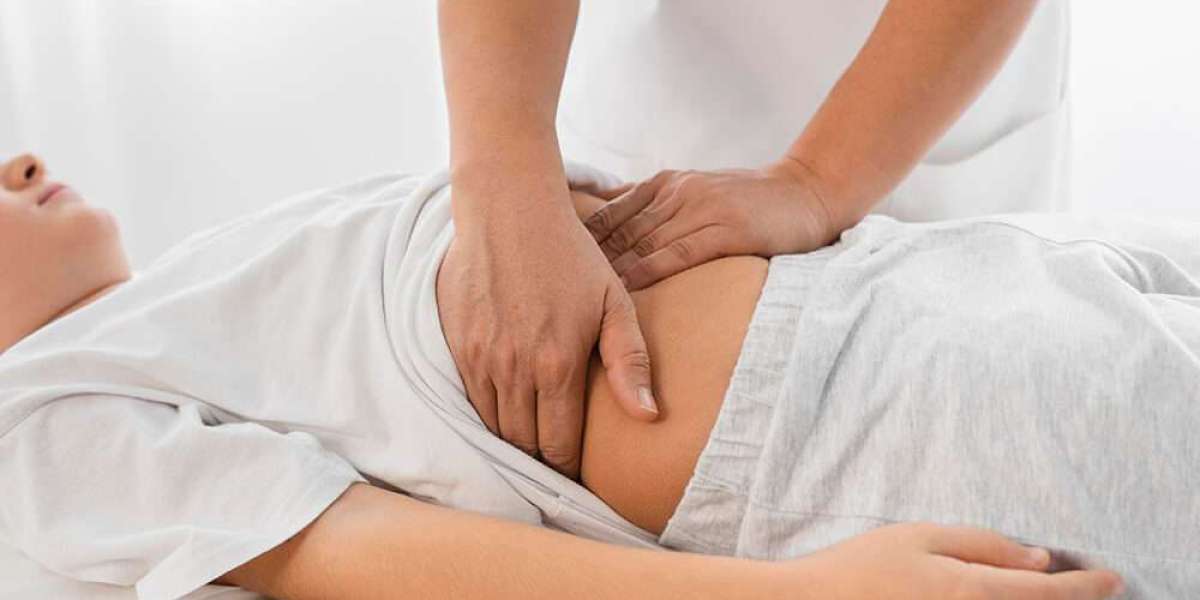

Massage therapy comes in many forms, each designed to support the body in different ways. Two commonly compared approaches are traditional massage and lymphatic massage, often referred to as lymphatic drainage. While both promote relaxation and wellness, they differ significantly in technique, pressure, purpose, and outcomes. Understanding these differences can help you choose the right type of massage based on your health goals, whether that’s stress relief, detoxification, recovery, or overall balance.
Both support wellness but serve different purposes
Techniques and pressure levels vary greatly
Choosing the right type depends on your needs
Understanding Traditional Massage:
Traditional massage focuses primarily on muscles, tendons, and soft tissues to relieve tension, reduce pain, and improve circulation. Techniques such as Swedish massage, deep tissue massage, and sports massage use varying levels of pressure to knead, stretch, and manipulate muscles. This type of massage is ideal for releasing knots, improving flexibility, and easing physical stress caused by daily activities or intense exercise.
Targets muscles and connective tissue
Uses moderate to deep pressure
Aims to relieve tension and muscle pain
Understanding Lymphatic Massage:
Lymphatic massage is a specialized technique designed to stimulate the lymphatic system rather than the muscles. It uses very light, rhythmic movements to encourage the flow of lymph fluid toward lymph nodes, supporting detoxification and immune function. Unlike traditional massage, it does not focus on muscle manipulation but instead on improving fluid movement and reducing swelling.
Targets the lymphatic system, not muscles
Uses gentle, rhythmic pressure
Supports detoxification and immune health
Key Differences in Pressure and Technique:
One of the most noticeable differences between these two massage types is the level of pressure used. Traditional massage often involves firm pressure to work through tight muscles, while lymphatic massage relies on extremely light touch. The goal of lymphatic techniques is precision rather than force, ensuring lymph vessels are stimulated without being compressed.
Traditional massage: firm to deep pressure
Lymphatic massage: light, precise touch
Different techniques for different systems
Goals and Benefits Compared:
The intended outcomes of each massage style also differ. Traditional massage is primarily used for pain relief, muscle relaxation, and improved mobility. Lymphatic massage focuses on reducing fluid retention, supporting detoxification, and enhancing immune response. While both can promote relaxation, the internal benefits of lymphatic massage are more systemic.
Traditional massage improves muscle health
Lymphatic massage improves fluid balance
Both support relaxation in different ways
Impact on Circulation and Detoxification:
Traditional massage boosts blood circulation by increasing blood flow to muscles, which helps deliver oxygen and nutrients. Lymphatic massage improves lymph circulation, which is essential for removing waste products, toxins, and excess fluids. These two systems work together in the body, but they require different stimulation methods.
Traditional massage enhances blood flow
Lymphatic massage enhances lymph flow
Both support overall circulation differently
Best Uses for Traditional Massage:
Traditional massage is ideal for individuals dealing with muscle stiffness, chronic pain, posture-related discomfort, or sports-related strain. It is commonly chosen by athletes, people with physically demanding jobs, or anyone seeking relief from muscle tension and stress.
Muscle soreness and tightness
Stress-related tension
Sports recovery and flexibility improvement
Best Uses for Lymphatic Massage:
Lymphatic massage is particularly beneficial for people experiencing swelling, bloating, fluid retention, or sluggish immunity. It is often recommended after surgery, during detox programs, or for individuals seeking gentle, whole-body wellness support rather than targeted muscle work.
Post-surgery swelling and recovery
Fluid retention and puffiness
Immune and detox support
Sensation and Overall Experience:
The experience of each massage style feels very different. Traditional massage may feel intense at times, especially when addressing deep muscle knots. Lymphatic massage feels slow, soothing, and subtle, often inducing a deep state of relaxation even though very little pressure is applied.
Traditional massage can feel intense or deep
Lymphatic massage feels calming and light
Both promote relaxation in unique ways
Frequency and Long-Term Results:
Traditional massage is often scheduled as needed, such as after physical strain or during periods of high stress. Lymphatic massage tends to work best when done consistently, as regular sessions help maintain optimal lymph flow and long-term wellness benefits. The choice depends on whether your focus is short-term relief or ongoing internal balance.
Traditional massage: as needed for tension
Lymphatic massage: consistent sessions for balance
Long-term goals influence frequency
Choosing the Right Massage for You:
Deciding between lymphatic and traditional massage depends on your personal health goals. If muscle pain, stiffness, or physical stress are your main concerns, traditional massage may be more suitable. If you are focused on detoxification, reducing swelling, or supporting your immune system, lymphatic massage may be the better option. Some people even combine both therapies for a well-rounded wellness routine.
Choose based on physical vs. systemic needs
Muscle relief vs. detox and fluid balance
Combination approaches can be beneficial
Final Thoughts:
Both traditional massage and lymphatic massage play valuable roles in supporting overall health, but they serve very different purposes. Traditional massage targets muscles to relieve tension and improve mobility, while lymphatic drainage focuses on stimulating the lymphatic system to promote detoxification, reduce swelling, and enhance immune function. Understanding these key differences allows you to make informed choices and select the massage style that best aligns with your wellness goals, helping you feel balanced, energized, and supported from the inside out.