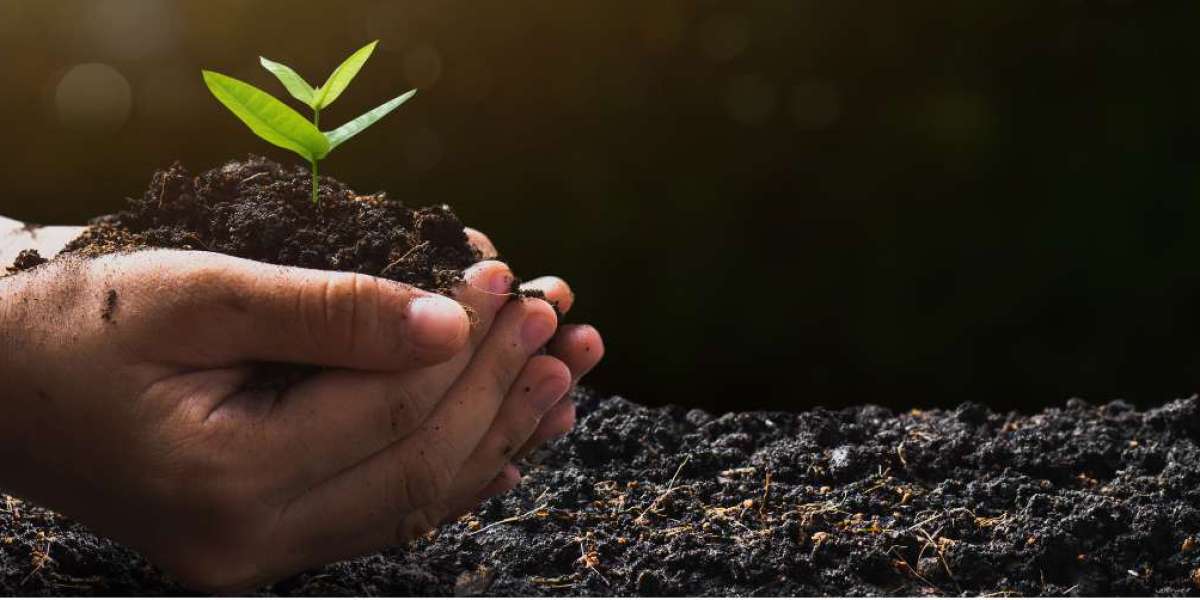

Healthy soil is the foundation of life on Earth. It provides nutrients for plants, supports microorganisms, and maintains ecosystem balance. One of the most important processes that sustain soil health is the soil cycle . The soil cycle refers to the continuous natural process of soil formation, nutrient recycling, decomposition, and renewal. Understanding how the soil cycle works is essential for farmers, gardeners, and environmentalists who want to improve plant growth and maintain a balanced ecosystem.
What is the soil cycle ?
The soil cycle is a natural process in which organic and inorganic materials are broken down, transformed, and returned to the soil. It involves the decomposition of plant and animal matter, the release of nutrients, and the interaction of soil organisms that enrich the soil. The soil cycle also includes the weathering of rocks and minerals, which gradually contributes essential elements like calcium, magnesium, and potassium.
This cycle is continuous. As plants grow, die, and decompose, nutrients are returned to the soil, allowing new plants to thrive. Microorganisms, earthworms, and insects play a crucial role in breaking down organic matter and maintaining soil structure. Without the soil cycle , soils would become depleted, and ecosystems would lose their balance.
How the Soil Cycle Supports Plant Growth
The primary way the soil cycle supports plants is by providing nutrients. When plants and animals die, their organic matter decomposes and releases nutrients like nitrogen, phosphorus, and potassium into the soil. These nutrients are essential for plant growth, influencing root development, leaf formation, and fruit production.
The soil cycle also improves soil structure. As organic matter decomposes, it creates humus, which binds soil particles together. Humus enhances water retention and aeration, making it easier for roots to access oxygen and moisture. Well-structured soil allows plants to establish strong root systems, which increases their resilience against drought and disease.
Moreover, the soil cycle encourages a healthy microbial community. Beneficial bacteria and fungi help break down nutrients and protect plants from harmful pathogens. Some fungi form symbiotic relationships with plant roots, known as mycorrhizae, which improve nutrient and water absorption. By supporting these soil organisms, the soil cycle ensures that plants receive balanced nutrition naturally.
Maintaining Ecosystem Balance Through the Soil Cycle
Beyond supporting plant growth, the soil cycle is crucial for overall ecosystem balance. Healthy soil helps regulate water cycles by absorbing rainfall and slowly releasing it into rivers and groundwater. This prevents flooding, maintains stream flow, and reduces soil erosion.
The soil cycle also plays a key role in carbon and nitrogen cycles. Decomposition in the soil releases carbon dioxide in small amounts, which plants use for photosynthesis. Nitrogen is recycled through the activity of bacteria that convert organic matter into forms plants can absorb. These processes maintain the balance of nutrients and gases in the environment, supporting both plant and animal life.
By keeping nutrients in circulation and promoting biodiversity, the soil cycle supports ecosystems ranging from forests and grasslands to agricultural lands. Animals depend on healthy plants for food and shelter, and plants depend on the soil cycle to sustain their growth. This interdependence highlights the soil cycle’s importance in maintaining ecological stability.
Human Impact on the Soil Cycle
Human activities can disrupt the soil cycle and threaten plant growth and ecosystem balance. Intensive farming, deforestation, overuse of chemical fertilizers, and soil compaction reduce soil fertility and interfere with natural nutrient recycling. These practices can lead to soil degradation, erosion, and loss of biodiversity.
Sustainable land management is essential to protect the soil cycle . Practices such as crop rotation, cover cropping, reduced tillage, organic fertilization, and composting support the soil's natural processes. By working with the soil cycle rather than against it, humans can enhance soil health, improve plant productivity, and restore ecological balance.
The Role of Organic Matter in the Soil Cycle
Organic matter is the heart of the soil cycle . It includes plant residues, animal waste, and decayed materials. When these materials break down, they release nutrients and improve soil structure. Organic matter also supports water retention and microbial activity, making soil more resilient to environmental stress.
Adding compost, mulch, or green manure to soil can accelerate the soil cycle , particularly in agricultural or degraded lands. These practices not only enrich the soil but also enhance its ability to support healthy plant growth and a balanced ecosystem.
Long-Term Benefits of a Healthy Soil Cycle
A well-functioning soil cycle provides long-term benefits for agriculture and natural ecosystems. For farmers, it reduces the need for chemical fertilizers and pesticides while maintaining high crop yields. For natural ecosystems, it sustains plant diversity, supports wildlife, and helps regulate climate by storing carbon in the soil.
Healthy soil also prevents land degradation and erosion. When soil is rich in organic matter and nutrients, it can recover quickly from disturbances such as heavy rainfall or drought. This resilience ensures that ecosystems continue to function effectively and provide essential services.
Conclusion
The soil cycle is a fundamental natural process that supports plant growth and maintains ecosystem balance. By recycling nutrients, improving soil structure, and supporting microorganisms, it ensures that plants thrive and ecosystems remain healthy. Human activities can disrupt this cycle, but sustainable land management practices help restore and protect it.
Understanding and respecting the soil cycle is essential for farmers, gardeners, and environmentalists. By nurturing soil health, we not only improve plant growth but also contribute to the long-term stability of our ecosystems. Healthy soil, guided by a functioning soil cycle , is the key to a sustainable and balanced environment.