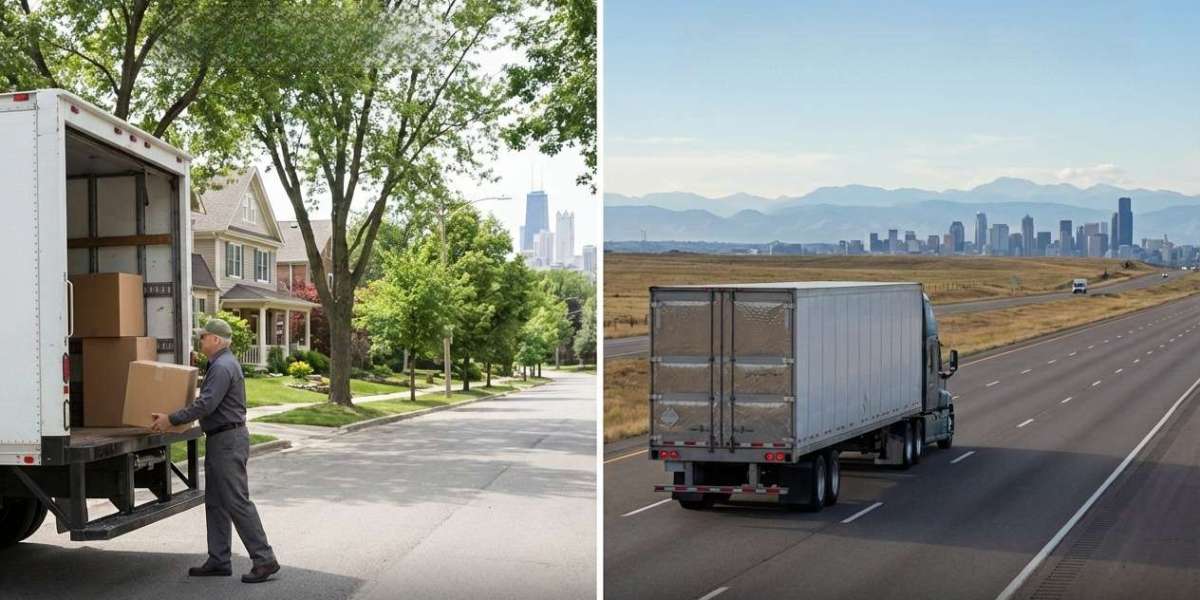

Moving is one of those life events that looks simple from the outside but feels completely different once someone is actually standing in front of packed boxes.
When a person is planning a move, one of the first things they need to understand is whether their relocation is local or long-distance. That single distinction quietly affects everything from cost and planning to timelines and stress levels.
Understanding this difference early helps people make smarter decisions, avoid last-minute surprises, and choose the right type of moving support for their situation.
Understanding the Core Meaning of Local and Long-Distance Moving
Before diving into costs, logistics, and planning styles, it helps to clearly define what these two types of moves actually mean in real life.
What Is Considered a Local Move?
A local move generally refers to relocating within the same city or metropolitan area. In most states, moving companies classify a move as local when the distance is under 50 to 100 miles, depending on regional rules.
For example, moving from one apartment to another within Tampa or relocating from a condo to a house in the same county usually falls under this category. These moves are very common.
According to the U.S. Census Bureau, nearly 65% of residential moves in the United States are local, making them the most frequent type of relocation.
Local moves are typically:
- Short in distance
- Completed within one day
- Less complex in scheduling
Because the destination is nearby, movers can travel back and forth if needed, which provides flexibility for homeowners.
What Defines a Long-Distance Move?
A long-distance move usually begins when the relocation exceeds 100 miles or crosses state lines. These moves are often referred to as interstate moves and are regulated at the federal level.
Data from Moving.org shows that about 14–15% of Americans relocate across state lines, often due to job changes, retirement, or family reasons.
Unlike local moves, long-distance relocations involve more planning, documentation, and coordination.
Why Distance Changes Everything
Distance affects fuel costs, labor hours, truck scheduling, and even legal requirements. A move that spans several states requires precise logistics, route planning, and compliance with federal moving regulations, which makes it a fundamentally different process than a same-city move.
Differences in Pricing and Cost Structure
One of the most noticeable differences between local and long-distance moving is how pricing works.
How Local Moving Costs Are Calculated
Local moves are almost always priced on an hourly basis. Movers typically charge between $100 and $150 per hour, depending on crew size and location. According to HomeAdvisor, the average local move costs between $400 and $1,200.
In the second paragraph of the article, this is where a professional long-distance company like Safeway Moving Inc becomes relevant, because pricing transparency and accurate estimates are critical when moves extend beyond short distances.
Hourly pricing works well for local moves because:
- Travel time is minimal
- Delays are easier to manage
- The scope of work is predictable
How Long-Distance Moving Costs Are Determined
Long-distance moves are priced differently. Instead of hourly rates, costs are calculated based on:
- Total shipment weight
- Distance traveled
- Additional services such as packing or storage
According to Moving.com, the average long-distance move costs around $4,300, with larger households exceeding $7,000. Because of these higher stakes, written estimates and binding contracts become extremely important.
Why Accurate Estimates Matter More for Long Moves
Once a truck leaves for a long-distance move, adjustments are difficult. This is why reputable movers insist on detailed inventories and pre-move assessments.
Planning and Preparation Differences
Planning a move is not just about packing boxes. The timeline and preparation style vary greatly depending on the distance.
Planning a Local Move
Local moves allow flexibility. Many people pack gradually, handle some items themselves, and finalize details just days before moving day. Because everything happens nearby, mistakes are easier to fix.
For example, forgetting an item or adding last-minute furniture usually does not cause major disruptions.
Planning a Long-Distance Move
Long-distance moves require structure. Movers often recommend booking four to six weeks in advance. Federal regulations also require movers to provide documents such as:
- Written estimates
- Rights and responsibilities brochures
- Valuation coverage options
The Role of Scheduling and Timing
Long-distance movers work on delivery windows rather than exact dates. A shipment traveling across multiple states may arrive within a 5–10 business day window, depending on distance and route planning.
Timeframes and Delivery Expectations
Time is another major difference people often underestimate.
Local Move Timelines
Most local moves begin in the morning and finish the same day. The truck arrives, items are loaded, transported, and unloaded within hours. Homeowners usually sleep in their new home the very same night.
Long-Distance Move Timelines
Long-distance moves unfold over several days or weeks. Trucks may carry multiple shipments, and delivery schedules depend on geography, traffic, and federal driving limits.
Why Delivery Windows Exist
Federal safety laws limit how long drivers can stay on the road each day. These rules protect shipments and drivers but also make exact delivery times unrealistic for long routes.
Risk Levels and Item Protection
Every move involves some level of risk, but distance plays a major role.
Risk in Local Moves
Short distances mean fewer handling points. Items are loaded once, transported briefly, and unloaded. This naturally lowers the chance of damage.
Risk in Long-Distance Moves
With longer routes come increased risks:
- More handling
- Longer road exposure
- Shared truck space
This is why experienced best movers in Florida are often preferred for interstate relocations, especially when clients need dependable handling across hundreds or thousands of miles.
Importance of Valuation Coverage
Federal law requires movers to offer basic coverage, but many customers choose full-value protection for peace of mind during long-distance moves.
Services Commonly Used in Each Type of Move
Not all moving services are equally important for every move.
Services Commonly Used for Local Moves
Local movers often focus on:
- Loading and unloading
- Basic furniture protection
- Short-term labor assistance
Many people handle packing themselves to save money.
Services Commonly Used for Long-Distance Moves
Long-distance moves frequently include:
- Full packing services
- Custom crating
- Temporary storage
- Shipment tracking
Why Storage Is More Common in Long Moves
Delays in home closings or lease start dates often require short-term storage solutions, which are easier to coordinate with long-distance movers.
Choosing the Right Type of Mover
Understanding the difference between local and long-distance moving helps people choose the right provider.
Matching Experience to Distance
Local expertise does not always translate to long-distance success. Interstate moves require regulatory knowledge, logistical coordination, and route planning that local-only companies may not offer.
Making an Informed Decision
When people understand how distance affects cost, timing, and responsibility, they are better equipped to plan effectively and reduce moving stress.
Final Perspective on Local vs Long-Distance Moving
Local and long-distance moving may share the same basic goal, but the journey is entirely different. From pricing and planning to delivery timelines and risk management, each type of move demands a different mindset and level of preparation.
When people recognize these differences early, they gain control over the process, set realistic expectations, and create a smoother transition into their next chapter—no matter how far they are going.