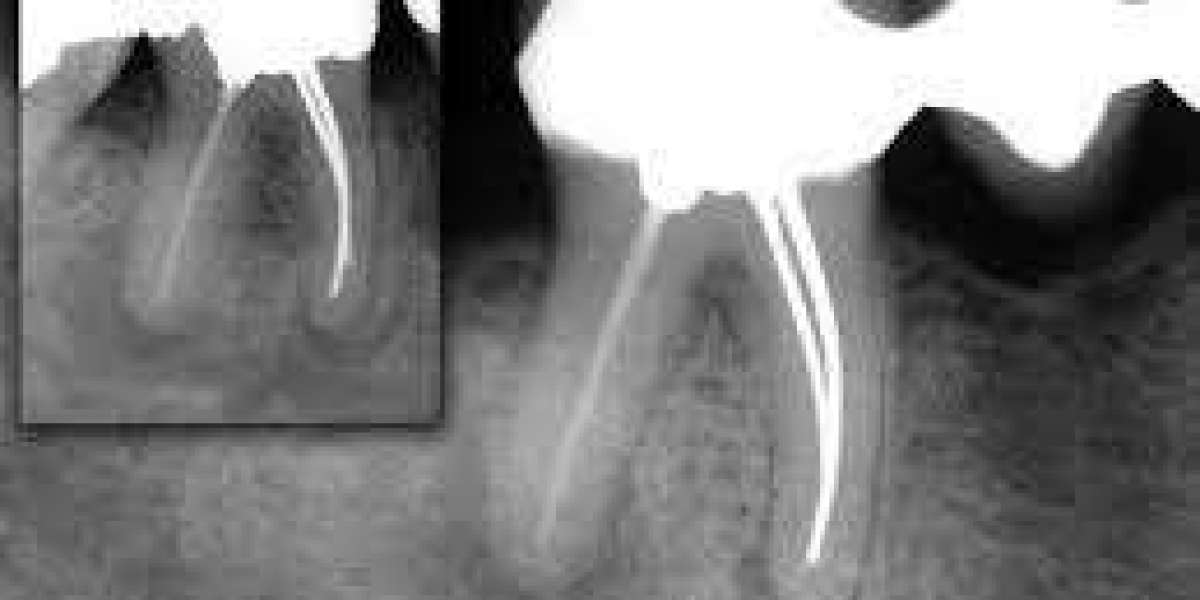

Dental conditions are not always visible or painful in their early stages, yet they can quietly cause serious damage if ignored. One such condition is External Tooth Resorption, a complex and often misunderstood dental issue that affects the structure of the tooth from the outside. When detected early, it can often be managed successfully, but delayed diagnosis may lead to tooth loss.
This comprehensive guide explains what External Tooth Resorption is, why it occurs, how to recognize early warning signs, and what treatment and prevention options are available. Understanding this condition empowers patients to protect their oral health and make informed decisions.
What Is External Tooth Resorption?
External Tooth Resorption is a pathological process in which the outer surface of a tooth’s root begins to break down and dissolve. Unlike cavities that affect enamel, this condition starts on the root surface and progresses inward, often without noticeable symptoms in the early stages.
The process occurs when the body’s own cells mistakenly attack the tooth structure, believing it to be foreign or damaged. Over time, External Tooth Resorption can compromise the stability of the tooth, weaken its foundation, and eventually lead to tooth loss if left untreated.
Because it develops beneath the gumline, it is often discovered during routine dental X-rays rather than through visible signs.
Common Causes of External Tooth Resorption
Several factors can trigger External Tooth Resorption, and in many cases, more than one cause may be involved. Dental trauma is among the most common triggers. A blow to the mouth, even years earlier, can initiate resorption without immediate symptoms.
Orthodontic treatment is another contributing factor, especially when excessive or prolonged force is applied to teeth. Chronic inflammation due to untreated gum disease can also play a role. Infections, impacted teeth, internal bleaching procedures, and pressure from tumors or cysts may further increase the risk.
Understanding the underlying cause of External Tooth Resorption is critical, as it directly influences the treatment approach and long-term prognosis.
Early Signs and Symptoms to Watch For
In its early stages, External Tooth Resorption often progresses silently. Many patients experience no pain or discomfort, which makes regular dental checkups essential. As the condition advances, subtle symptoms may begin to appear.
These can include mild tooth sensitivity, gum tenderness near the affected tooth, or a slight change in tooth color. In more advanced cases, patients may notice loosening of the tooth or swelling in the surrounding gum tissue.
According to dental advice today, early detection through routine imaging is the most reliable way to identify External Tooth Resorption before irreversible damage occurs.
Types of External Tooth Resorption
There are several forms of External Tooth Resorption, each with unique characteristics and risks. External surface resorption is the mildest form and often heals on its own once the cause is removed.
External inflammatory resorption is more aggressive and typically linked to infection or trauma. It progresses rapidly and requires prompt treatment. Replacement resorption, also known as ankylosis, occurs when the tooth root is gradually replaced by bone, causing the tooth to fuse with the jaw.
Identifying the specific type of External Tooth Resorption helps dental professionals determine the urgency and method of treatment.
How External Tooth Resorption Is Diagnosed
Accurate diagnosis of External Tooth Resorption relies heavily on dental imaging. Standard X-rays can reveal changes in root structure, but cone-beam computed tomography (CBCT) scans provide a more detailed three-dimensional view.
Clinical examination may show minimal external changes, which is why imaging plays such a critical role. Dentists assess the location, size, and progression rate of the resorption before recommending treatment.
Early diagnosis significantly improves outcomes, allowing for conservative interventions that may preserve the natural tooth affected by External Tooth Resorption.
Treatment Options for External Tooth Resorption
Treatment for External Tooth Resorption depends on its severity, cause, and stage of progression. In mild cases, removing the underlying cause—such as adjusting orthodontic forces or treating infection—may halt the process.
More advanced cases often require root canal therapy to eliminate inflamed tissue and prevent further damage. In some situations, surgical intervention may be needed to access and repair the affected root surface.
When External Tooth Resorption has progressed too far, tooth extraction may be unavoidable. However, early intervention dramatically increases the chances of saving the tooth.
Risks of Ignoring External Tooth Resorption
Untreated External Tooth Resorption poses serious risks to oral health. As the root structure deteriorates, the tooth becomes unstable and more susceptible to infection. Over time, this can lead to abscess formation, bone loss, and damage to neighboring teeth.
Ignoring the condition may also limit future treatment options, making replacement with dental implants or bridges more complex. The longer External Tooth Resorption progresses, the harder it becomes to manage conservatively.
Routine dental visits play a vital role in minimizing these risks and ensuring early detection.
Preventing External Tooth Resorption and Protecting Oral Health
While not all cases are preventable, certain steps can reduce the risk of External Tooth Resorption. Protecting teeth from trauma by wearing mouthguards during sports is essential. Seeking timely treatment for dental infections and gum disease also lowers the risk.
Orthodontic treatment should always be monitored closely to ensure appropriate force levels. Regular dental checkups with diagnostic imaging allow early changes to be detected before symptoms arise.
Maintaining good oral hygiene, addressing dental issues promptly, and staying informed are the best defenses against External Tooth Resorption.
Final Thoughts
External Tooth Resorption is a serious dental condition that often develops without obvious warning signs. Although it can be difficult to detect early, modern diagnostic tools and timely intervention make successful management possible.
By understanding its causes, recognizing subtle symptoms, and prioritizing preventive care, patients can protect their teeth and maintain long-term oral health. Early action remains the most effective way to minimize damage and preserve a healthy smile.