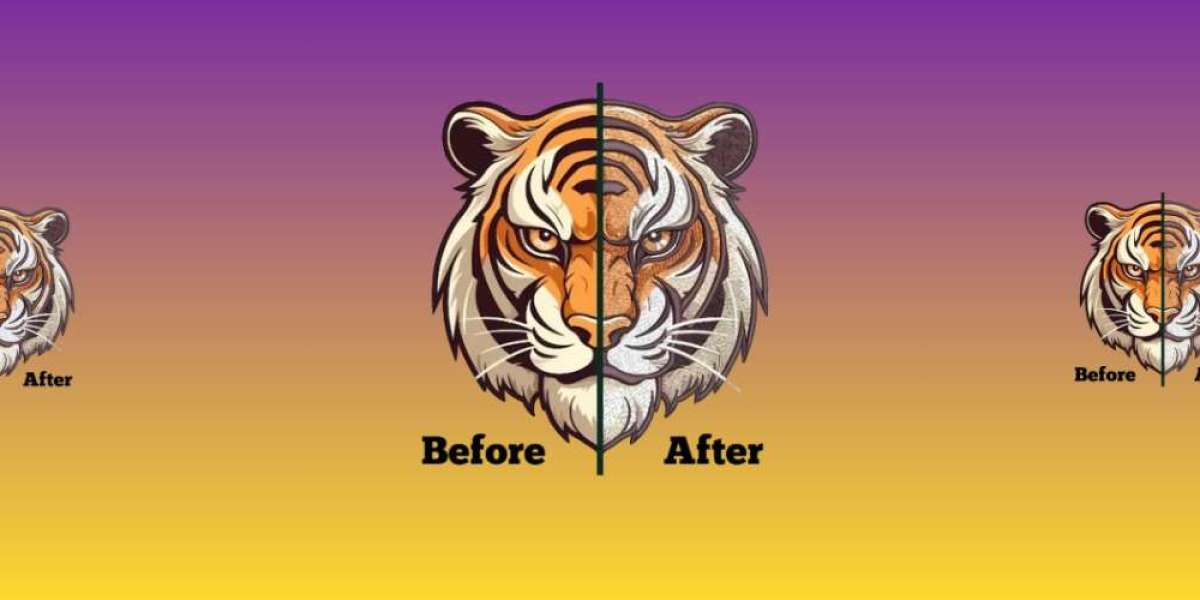

Digitizing designs for machine embroidery is a structured technical workflow that transforms artwork into stitch files used by embroidery machines. Because machines operate only on coded instructions, the quality of digitizing designs for machine embroidery determines how accurately a design stitches, how fabric behaves, and how smoothly production runs from start to finish.
Understanding the step-by-step process helps businesses, embroidery shops, and apparel brands avoid common production problems and maintain consistent embroidery results.
Step 1: Artwork Review and Analysis
The process begins with a detailed review of the artwork. Digitizers examine resolution, line clarity, color separation, and overall design size. This step identifies potential embroidery challenges such as thin lines, small text, or overlapping elements.
Artwork review ensures the design is suitable for embroidery before stitch planning begins.
Step 2: Selecting the Correct Design Size
Embroidery behaves differently at various sizes. A logo designed for print may not work at a small embroidery scale without adjustments.
Digitizers define the final stitch size early to ensure stitch density, text readability, and design balance remain accurate throughout the process.
Step 3: Choosing Appropriate Stitch Types
Different design elements require different stitch types. Digitizers decide whether areas need satin stitches, fill stitches, or running stitches based on shape, durability, and visual clarity.
Correct stitch selection improves embroidery strength and reduces thread-related issues during stitching.
Step 4: Planning Stitch Direction and Flow
Stitch direction affects how embroidery reflects light and how fabric responds to stitching. Poor stitch flow can cause uneven surfaces or fabric pull.
This step involves planning stitch angles that maintain balance, improve design definition, and support smooth machine operation.
Step 5: Underlay Stitch Configuration
Underlay stitches act as a foundation layer. They stabilize fabric and support top stitches.
Digitizers configure underlay types based on fabric structure and design complexity, ensuring the embroidery holds its shape during and after stitching.
Step 6: Adjusting Stitch Density
Stitch density controls coverage and durability. Excessive density can lead to stiff embroidery and thread breaks, while low density causes gaps and poor coverage.
Digitizing designs for machine embroidery requires careful density adjustment based on fabric type, thread thickness, and design detail.
Step 7: Fabric-Specific Optimization
Different fabrics react differently under embroidery machines. Stretch fabrics, thick jackets, caps, and woven materials all require specific digitizing adjustments.
Digitizers apply pull compensation and density changes to account for fabric movement and prevent distortion during stitching.
Step 8: Sequencing and Color Order Planning
Stitch sequencing determines the order in which the machine stitches different areas. Efficient sequencing reduces unnecessary trims, thread jumps, and machine stops.
Proper color order planning also helps improve production speed and consistency.
Step 9: File Format and Machine Compatibility
Once stitch planning is complete, the design is saved in the correct file format required by commercial embroidery machines.
Compatibility checks ensure the file runs smoothly on production machines without errors or interruptions.
Step 10: Final Review and Quality Check
Before delivery, the digitized file is reviewed for visual accuracy and technical stability. Stitch count, edge smoothness, and overall balance are checked carefully.
This final step helps reduce revisions and supports reliable embroidery performance during production.
Importance of Following a Step-by-Step Process
Skipping steps or rushing digitizing often leads to production problems. A structured process ensures predictable embroidery results, reduced machine downtime, and consistent logo appearance across multiple orders.
For businesses producing branded apparel, a step-by-step digitizing approach is essential for maintaining quality standards.
Conclusion
Digitizing designs for machine embroidery explained step by step shows why this process is technical, structured, and essential for reliable embroidery production. From artwork review to final quality checks, each step influences how designs perform on embroidery machines.
Businesses that follow a complete digitizing process achieve cleaner embroidery, stable production, and consistent results across all embroidered products.
FAQs About Digitizing Designs For Machine Embroidery
Is digitizing a one-step process?
No. It involves multiple technical steps that affect embroidery performance.
Can one digitized file work on all fabrics?
Usually not. Fabric type often requires adjustments.
Does step-by-step digitizing reduce revisions?
Yes. Structured planning minimizes errors and rework.
Is professional digitizing necessary for simple logos?
Yes. Even simple designs require correct stitch planning.