
Wireless fire alarm systems offer a clean, flexible way to keep everyone safe without messy cables snaking through walls. When tied to a solid fire detection system, they provide quick alerts that get teams out fast. This guide walks through installing one step-by-step, perfect for office managers wanting hassle-free safety.
Why Go Wireless for Office Spaces
Wired systems mean drilling, pulling cables, and days of dust—tough in leased offices where landlords hate changes. Wireless setups use radio signals between detectors and the main panel, dodging all that. Batteries power devices for years, with backups for power blips common in Indian cities.
A full fire detection and fire alarm system like this scales easily—add detectors as your office grows or shifts layouts. No false alarms from construction noise shutting down work. Managers love the remote app checks, spotting issues from home. It's modern protection fitting busy workplaces perfectly.
Planning Your Office Layout
Start with a walk-through. Map high-risk spots: copy rooms with paper stacks, server closets, kitchens, and open-plan areas. Place smoke detectors in hallways and near exits, heat ones by vending machines. The main panel goes central—like reception—for quick access.
Count devices needed—offices average one per 100 square feet. Check walls for signal blocks; thick concrete might need boosters. Sketch zones: front office, back storage, meeting rooms. Pros visit free to refine, ensuring even coverage without dead zones.
Budget time: weekend install keeps Monday smooth.
Choosing the Right Wireless Components
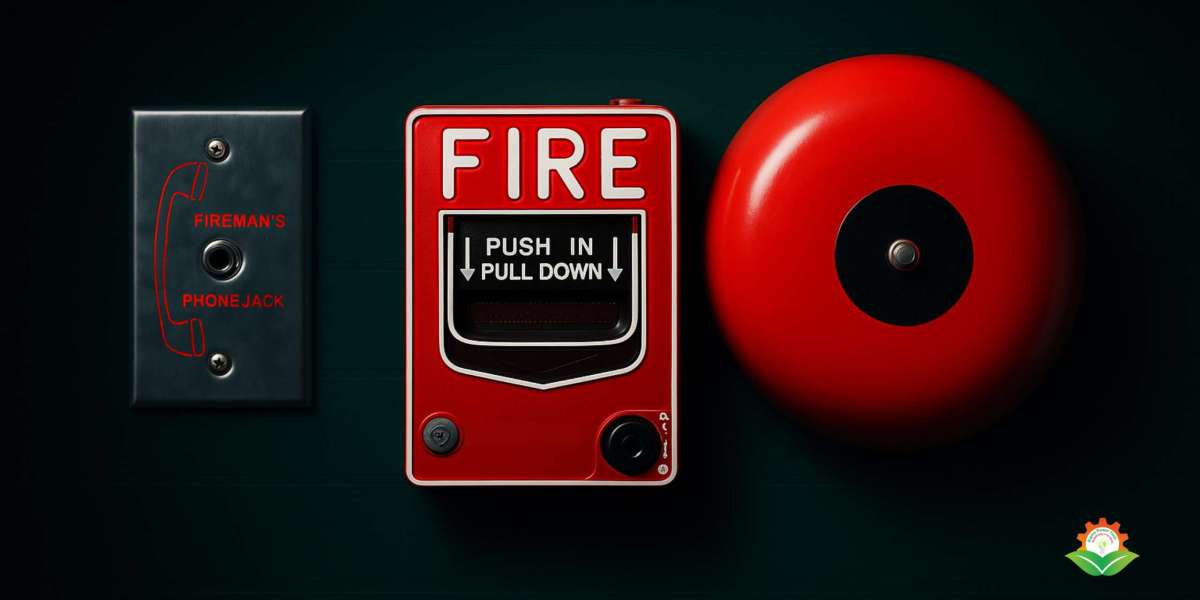
Pick systems meeting Indian safety rules—look for BIS marks. Smoke detectors for general watch, heat for kitchens. Manual buttons by doors let anyone hit alarm fast. Horns and strobes alert hearing-impaired staff.
Panels handle 50-200 devices, with touch screens showing "Conference Room smoke." Batteries last 5-10 years; apps ping low power. Brands offer office-friendly designs—slim, white units blending with ceilings.
Match to size: small teams get basic kits, growing firms expandable ones.
Step-by-Step Installation Process
Day one: unpack kits, charge batteries. Mount brackets high on ceilings or walls—drill light holes, screw firm. Snap detectors on; they pair automatically via buttons.
Place panel on a wall, plug in. Walk-test: press buttons, puff safe smoke—lights confirm links. Program zones on the screen: label "Floor 2 East." Add repeaters if signals dip in corners.
Whole job? 4-6 hours for 2,000 square feet. No ladders blocking desks.
Testing for Reliability
Power up fully. Trigger each detector—smoke cans work safely. Panel should show exact spots, horns blare, lights flash. Silence after reset, log the test.
Check range: walk farthest corners, confirm beeps. Simulate outage—batteries kick in seamless. Phone app verifies remote alerts. Monthly repeats catch drifts.
Confident system? Ready for staff training.
Training Your Office Team
Gather everyone for 30 minutes. Show panel screen: "This means kitchen issue—evacuate calmly." Demo manual buttons, muster points. Assign floor wardens to count heads.
Print simple guides: "Hear horn? Grab bag, use stairs." Drills quarterly build habits—no panic. Apps let remote workers get pings too.
Empowered teams make systems shine.
Everyday Maintenance Tips
Weekly: eye detectors for dust, wipe gently. Monthly: press test buttons, note battery lights. Batteries beep low months ahead—swap during cleans.
Annual pros check signals, update software. Logs track for fire checks—easy compliance. In dusty offices, vacuum filters; AC rooms stay cleaner.
Low effort keeps peak readiness.
Handling Common Office Challenges
Printer smoke or burnt toast? Smart filters ignore. Open windows fool wired? Wireless adapts. Growing teams? Add detectors anytime.
Power cuts? Batteries hold hours. Monsoon damp? Sealed units shrug it off. Leased spaces? Unplug, relocate—no trace left.
Flexible fits real office life.
Cost Breakdown and Savings
Kits start affordable—Rs 50,000 for small offices. No wiring slashes labour 70%. Fewer falses save evacuation wages. Insurance drops 15-20% for wireless proofs.
Long-term: 10-year batteries, simple upkeep. One avoided fire pays full cost.
Smart spend, big returns.
Real Office Success Stories
A Gurgaon startup installed weekend—Monday drills smooth, no hiccups. Mumbai call centre caught wiring smoke early—fixed lunch hour, no data loss. Delhi co-working zoned alerts kept floors running separate.
Managers say: "Peace—no cable nightmares."
Integrating with Office Tech
Link to doors unlocking, AC shutting, lights guiding stairs. Cameras snap alert pics. Building apps show status. Full fire detection and fire alarm system ecosystem.