
Understanding IRS Payment Plans: A Step-by-Step Guide to Managing Tax Debt
Tax debt can feel overwhelming, especially when the IRS demands a large amount all at once. Many people struggle to pay their full balance and start feeling stressed when notices and penalties begin to pile up. The good news is that there are structured solutions available that can make repayment easier and more manageable.
Understanding how repayment options work is the first step toward financial relief. With the right approach, you can break down your tax debt into smaller payments and gradually move toward financial stability without extreme pressure.
What an IRS Payment Plan Really Means
An IRS payment plan is an arrangement that allows taxpayers to pay their tax debt over time instead of paying the full amount immediately. This option is designed for individuals and businesses who cannot afford a lump sum payment but still want to stay compliant with tax obligations.
When you enter a payment arrangement, the IRS calculates a monthly amount based on your income, expenses, and total debt. This makes repayment more realistic and helps prevent aggressive collection actions. It is one of the most commonly used solutions for managing unpaid taxes.
How IRS Payment Plans Work Step by Step
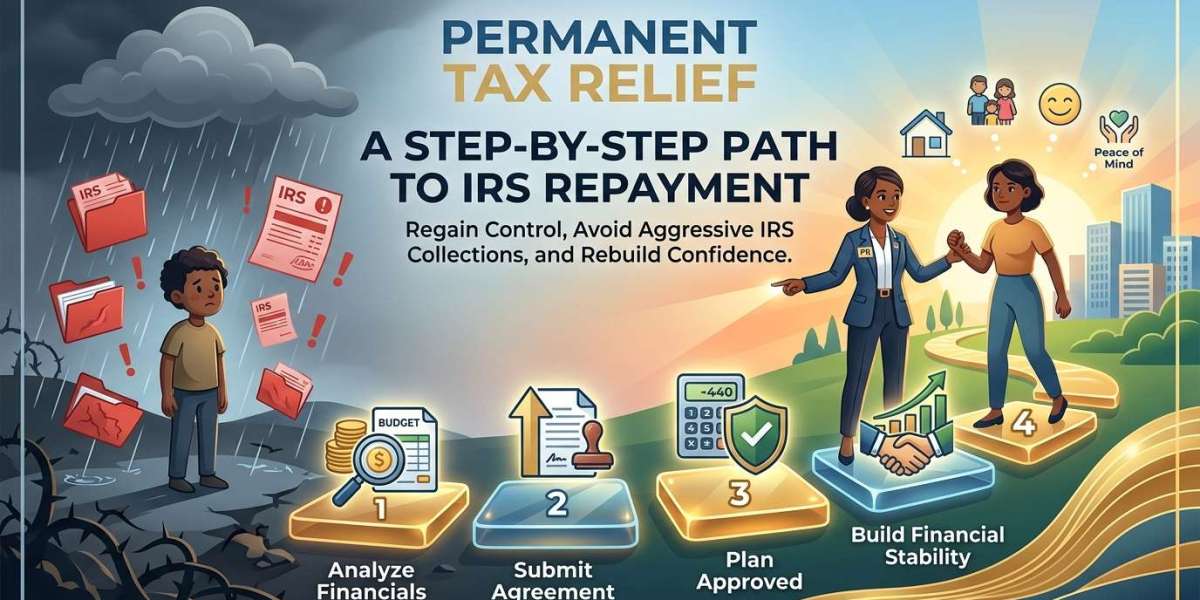
The process usually starts with reviewing your financial situation. You need to gather details such as income, monthly expenses, and outstanding tax balance. Once this information is submitted, the IRS evaluates your ability to pay.
After evaluation, they determine a monthly payment amount that fits your financial capacity. Once approved, you are required to make regular payments until the full balance is cleared. Staying consistent with payments is important because missing deadlines can lead to penalties or cancellation of the agreement.
This structured process gives taxpayers a clear path to follow instead of dealing with uncertain or growing debt.
Types of Payment Plans Available
There are different types of repayment arrangements depending on how much you owe and your financial situation.
Short-term plans are typically used when the debt can be cleared within a few months. Long-term plans allow smaller monthly payments over a longer period. Each option is designed to give taxpayers flexibility based on their ability to pay.
Choosing the right plan depends on income stability, expenses, and total tax balance. Understanding these differences helps you select the most manageable option.
Who Qualifies for IRS Payment Options
Most taxpayers who owe money can apply for repayment arrangements, but approval depends on financial details. The IRS reviews income, monthly living expenses, and overall debt before making a decision.
If your income is limited or your expenses are high, you may qualify for lower monthly payments. Even individuals facing financial hardship can often find a solution through expert IRS tax relief services that prevent immediate collection actions such as wage garnishment or bank levies.
Benefits of Choosing a Structured Payment Option
One of the biggest advantages is financial flexibility. Instead of paying everything at once, you can spread payments over time, making it easier to manage daily expenses.
It also helps reduce stress because you are no longer dealing with constant collection pressure. Once an agreement is in place, aggressive IRS actions usually stop as long as payments are made on time.
Another important benefit is control. You gain a clear repayment schedule, which helps you plan your budget more effectively and avoid further financial surprises.
Common Mistakes People Should Avoid
Many taxpayers delay taking action, hoping the problem will disappear. Unfortunately, unpaid tax debt continues to grow due to penalties and interest. Ignoring IRS notices can also lead to stronger collection actions.
Another common mistake is choosing a payment amount that is too high. This can lead to missed payments and default on the agreement. It is important to choose a realistic monthly amount that fits your actual financial situation. Avoiding these mistakes can make a significant difference in successfully managing your tax debt.
Why Professional Help Can Make the Process Easier
Navigating IRS rules can be confusing for many people. Working with affordable tax resolution specialists can help you understand eligibility, complete paperwork correctly, and avoid delays in approval.
Experts can also communicate with the IRS on your behalf and help negotiate more manageable terms. This reduces stress and increases the chances of getting a favorable arrangement. Having experienced support ensures that your application is handled properly from start to finish, reducing the risk of errors or rejection.
How Payment Plans Support Long-Term Financial Stability
Beyond immediate relief, structured repayment also helps improve long-term financial health. It prevents debt from growing uncontrollably and gives you time to rebuild financial stability.
By making consistent payments, you gradually reduce your tax burden and regain control over your finances. Over time, this approach can help restore confidence and reduce financial anxiety. It also teaches better money management habits, which can help prevent future tax issues.
Tips to Manage Payments Successfully
Staying organized is key. Keeping track of payment dates ensures you never miss a deadline. Setting reminders or automating payments can also help.
It is also important to review your budget regularly. If your financial situation improves or changes, you may be able to adjust your payment plan. Staying proactive ensures that you remain in good standing with the IRS.
Finally, always keep communication open. If you face financial difficulty, addressing it early can help prevent serious consequences.
Conclusion
Tax debt can feel stressful, but structured repayment options provide a clear and manageable path forward. By breaking down large balances into smaller payments, taxpayers can regain control of their financial situation without overwhelming pressure.
An IRS payment plan offers flexibility, structure, and relief for individuals struggling with tax obligations. With the right approach and proper guidance, it becomes possible to move from financial stress toward stability and confidence.
At Permanent Tax Relief, we help individuals understand their options and choose the right path to resolve tax debt efficiently and responsibly.
Take Action Today
If tax debt is holding you back, now is the time to act. Explore your options and take the first step toward financial relief before penalties increase further.
Permanent Tax Relief is here to guide you toward clarity, confidence, and long-term financial freedom.
Frequently Asked Questions (FAQs)
1. What is an IRS payment plan?
It is a structured arrangement that allows taxpayers to pay their IRS debt over time in smaller monthly amounts.
2. Who qualifies for payment plans?
Most taxpayers with outstanding tax debt can apply, depending on income and financial situation.
3. Can payment plans stop IRS collection actions?
Yes, once approved and maintained, they can prevent aggressive collection actions like levies and wage garnishments.
4. What happens if I miss a payment?
Missing payments can lead to penalties or cancellation of the agreement, so consistency is important.
5. Is professional help necessary?
While not required, professional guidance from Permanent Tax Relief can simplify the process and improve approval chances.