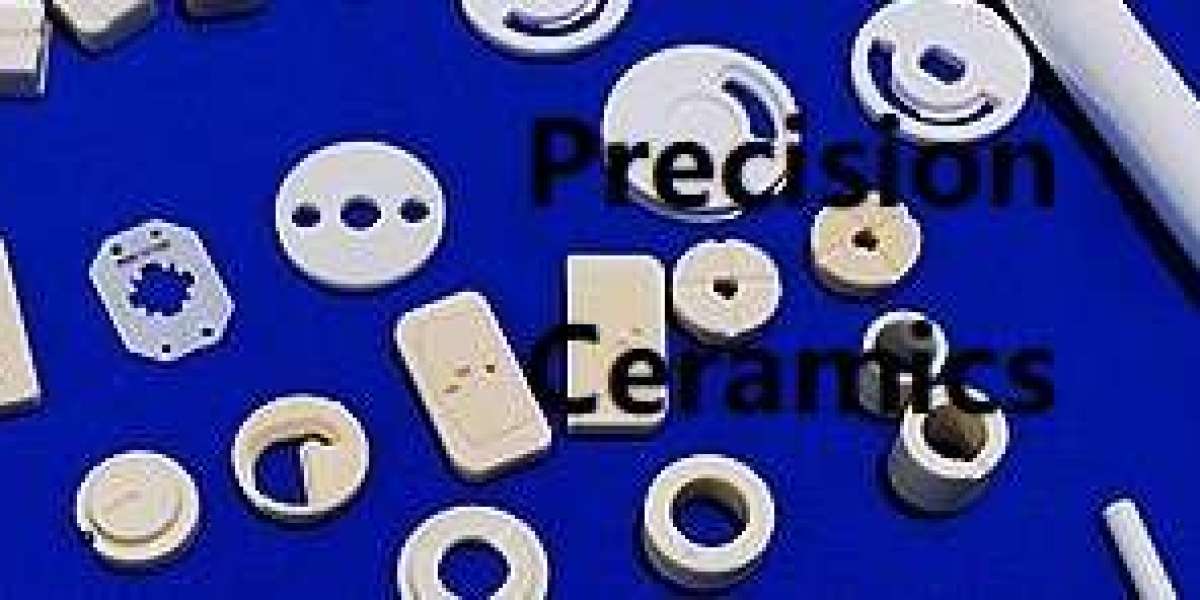

When manufacturers need materials that combine dependable insulation with mechanical durability, Alumina Ceramics offer a practical solution for many demanding applications. From electrical assemblies to precision machinery, Alumina Ceramic Components help engineers address challenges involving heat, friction, and dimensional accuracy. Their versatility makes Alumina Ceramics a valuable option for equipment designers seeking a balance between performance and production costs, while Alumina Ceramic Components provide adaptable shapes and specifications for specialized industrial requirements.
Balancing Hardness With Everyday Performance
Alumina is an aluminum oxide ceramic known for its hardness, wear resistance, and electrical insulation properties. These characteristics make it useful in applications where components must maintain their function despite repeated contact, mechanical movement, or exposure to elevated temperatures.
However, material selection involves more than choosing the hardest available grade. Alumina is a brittle material, meaning its resistance to impact and tensile stress differs from that of metals. Component geometry, mounting methods, surface condition, and the direction of applied loads can all influence performance.
Different alumina grades also offer different combinations of purity, strength, and cost. A general industrial component may not require the same specification as a part used in sensitive electronic equipment. By defining operating conditions and performance priorities early, engineers can select a grade that suits the application without overengineering the design.
From Electrical Insulation to Wear Protection
One reason alumina is widely used is its ability to serve different functions across multiple industries. In electrical equipment, alumina insulators and substrates help separate conductive elements while maintaining structural stability. Its electrical properties make it useful in selected high-voltage assemblies, sensors, and electronic devices.
Mechanical applications focus on different benefits. Ceramic bushings, guide components, sealing rings, and wear plates can use alumina's hardness to resist abrasion and surface degradation. In suitable environments, these parts may help reduce maintenance frequency and support consistent machine operation.
Alumina is also used in laboratory equipment and certain chemical-processing systems. Its chemical stability can be advantageous when components encounter compatible chemicals or require a material that minimizes unwanted contamination. Nevertheless, resistance depends on the specific chemical, concentration, temperature, and exposure duration, so application conditions should always be reviewed.
The key is to match the material's properties to the job. A component designed for electrical insulation may have different requirements from one exposed to continuous sliding contact or abrasive particles.
Manufacturing Accuracy Starts With Good Design
Even a high-quality ceramic material cannot compensate for an unsuitable component design. Dimensions, wall thickness, holes, grooves, and surface finishes influence both manufacturing complexity and final performance.
Alumina components typically begin with ceramic powder that is prepared, shaped, and sintered. Depending on the geometry and required tolerances, subsequent operations may include grinding, drilling, lapping, or other specialized finishing methods. Because sintered alumina is very hard, machining can require diamond tooling and careful process control.
For engineers developing custom parts, early communication with a manufacturer can help identify features that may increase production cost or introduce unnecessary difficulty. Simplifying noncritical details while preserving essential dimensions can make the design more practical.
Technical drawings should clearly identify critical tolerances, surface requirements, and areas that interact with other components. If the part will experience repeated loading or temperature changes, these conditions should also be communicated before production begins.
Prototype testing provides another useful checkpoint. A sample can help verify assembly fit, surface contact, and functional performance before a project moves to larger quantities.
ZFCera: Custom Alumina Components for Industry
Different industries require different component shapes, from simple plates and tubes to precision rings, rods, insulators, and customized structural parts. A flexible manufacturing approach allows buyers to specify the geometry and material grade needed for their equipment.
ZFCera offers advanced ceramic products and component options for industrial applications. When requesting a customized alumina part, buyers can prepare drawings, target dimensions, tolerance requirements, operating temperatures, and expected order quantities. Providing this information helps clarify the technical scope and supports a more informed manufacturing assessment.
It is also useful to discuss material purity, finishing requirements, inspection methods, packaging, and delivery schedules. For components used in sensitive applications, buyers should confirm whether additional documentation or material testing is needed.
Customization is not simply about producing a unique shape. It involves coordinating material properties, manufacturing limitations, and the functional demands of the finished assembly. A clear specification gives both the buyer and supplier a stronger foundation for evaluating the most suitable solution.
Quality Checks That Protect Long-Term Value
Consistent quality is essential when ceramic parts must fit accurately or operate under demanding conditions. Inspection requirements may include dimensional measurements, visual checks, surface evaluation, and material-specific testing. The appropriate methods depend on the component's function and the consequences of failure.
Buyers should establish acceptance criteria before production whenever possible. Clearly defined standards reduce uncertainty and make it easier to assess whether finished parts meet the intended requirements.
Long-term value also depends on how a component performs after installation. Service life, replacement costs, maintenance intervals, and equipment downtime can all influence the overall cost of ownership. A suitable alumina grade may help manage wear or insulation requirements, but the result depends on proper design, manufacturing quality, and operating conditions.
For this reason, material selection should be treated as part of the complete engineering process rather than an isolated purchasing decision. When specifications, production methods, and inspection criteria work together, manufacturers can make more confident choices for their equipment.
Whether you are developing electrical assemblies, upgrading industrial machinery, or sourcing customized ceramic parts, understanding the application's requirements is the first step toward a practical solution. To explore alumina products and other advanced ceramic options, visit https://www.zfcera.com/ for further information.