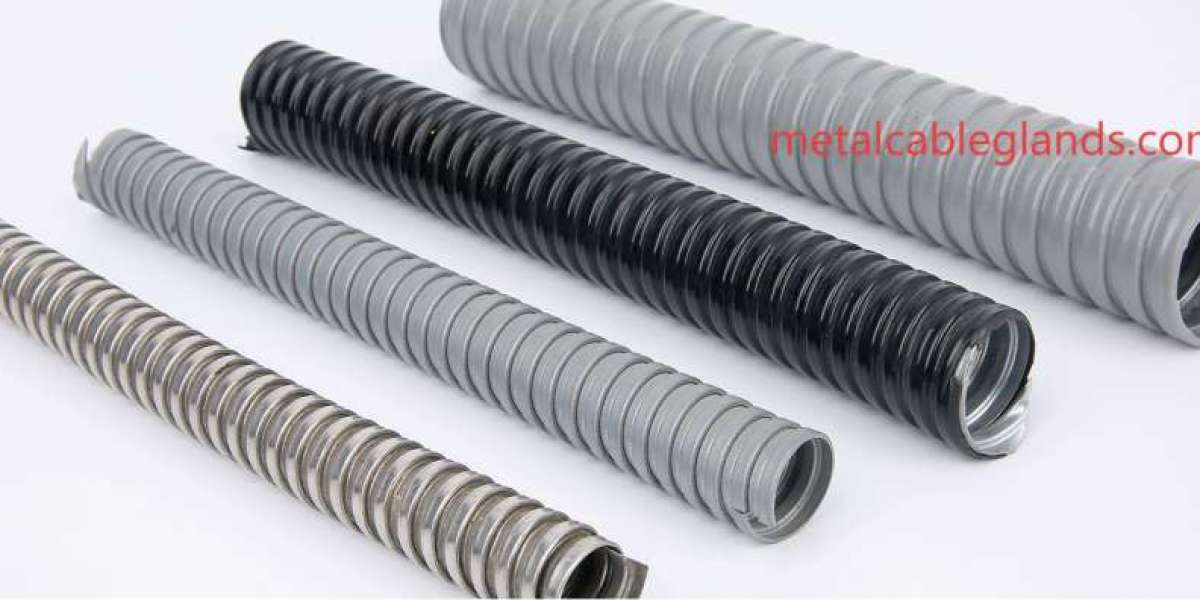

Cables installed in machinery, control cabinets, and outdoor equipment often pass through tight spaces where movement and repeated handling can place stress on their entry points. An Anti-Bending Cable Gland helps support the cable near its connection point, reducing sharp bends that may damage the outer sheath over time. By choosing an Anti-Bending Cable Gland suited to the cable diameter and installation environment, equipment manufacturers can improve cable routing, maintain a tidy layout, and help protect connections during everyday operation. This practical fitting is useful wherever cables need both secure entry and better strain management.
Reducing Stress Around Cable Entry Points
Cable damage does not always happen during installation. Vibration, movement, accidental pulling, and repeated adjustment can gradually affect the section closest to an enclosure opening. When a cable bends too sharply, pressure may concentrate on a small area of its sheath and internal conductors. A gland with an anti-bending design helps guide the cable into a more gradual curve, supporting a smoother transition between the cable and the equipment. The result depends on the gland structure, cable flexibility, and installation conditions, so choosing the correct size remains essential.
Keeping Cable Routing Organized
A well-planned cable layout makes equipment easier to assemble, inspect, and service. In crowded electrical cabinets or compact machinery, cables may need to turn soon after entering the housing. A suitable anti-bending gland can help manage this transition and reduce awkward routing around sharp edges or neighboring components. Installers should consider the available clearance, cable direction, and movement expected during normal use. Planning these details before assembly can reduce unnecessary repositioning and create a cleaner installation that is easier for maintenance teams to understand.
Selecting Materials and Dimensions Carefully
Cable glands are available in different materials and configurations to meet varied application needs. Nylon options may suit installations where lightweight construction and electrical insulation are important considerations, while environmental exposure and mechanical demands should guide the final selection. Buyers should verify the cable's outer diameter, thread dimensions, mounting requirements, and expected operating conditions before ordering. It is also useful to check resistance to moisture, dust, vibration, and temperature changes where relevant. Matching these details helps ensure that the gland fits the equipment and supports the intended cable protection requirements.
Anti-Bending Cable Gland Options from MetalCableGlands
For equipment builders and electrical installers, choosing connection accessories involves more than checking dimensions alone. The component should fit the enclosure, accommodate the cable, and suit the conditions in which the equipment will operate. MetalCableGlands supplies cable gland products and related accessories for a variety of cable entry applications. When reviewing available options, purchasers can prepare cable specifications, enclosure drawings, thread information, and material preferences to make discussions with a supplier more efficient. Clear requirements help reduce uncertainty and support a smoother purchasing and assembly process.
Supporting Long-Term Cable Reliability
Proper installation plays an important role in how well a cable gland performs. Installers should follow the product instructions, avoid overtightening, and ensure that the cable is positioned without unnecessary tension or twisting. The cable should also remain within its permitted bending radius, since a gland cannot eliminate every risk associated with poor routing. During routine maintenance, checking for loose fittings, visible sheath damage, and excessive movement can help identify issues early. For more information about cable entry accessories and product options, visit https://www.metalcableglands.com/ to explore solutions for different equipment requirements.