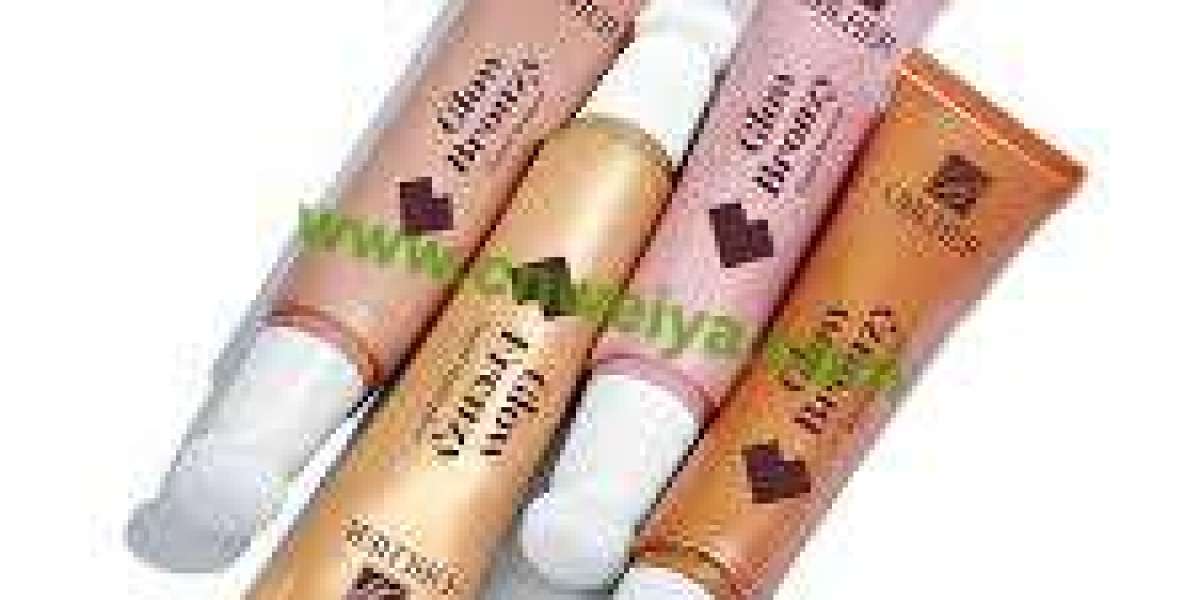

Consistency separates a Liquid Blush Factory that earns repeat purchases from one that loses customers after a single disappointing tube. Liquid blush presents particular challenges because color, texture, and flow must remain stable from the first application to the last. This is why product managers ask what quality control measures a liquid blush factory should follow. The answer touches on raw materials, emulsion processing, filling accuracy, and finished goods testing. VEYA has worked in color cosmetics for over two decades as a liquid blush factory serving OEM and ODM clients, and quality questions arise in nearly every project discussion. Have you examined how your supplier verifies each batch before it ships?
Quality control begins with incoming raw materials. Pigments, oils, water, emulsifiers, and preservatives each carry specifications that affect the finished product. Factories test incoming lots for identity, purity, and compatibility with the formula. A pigment that arrives with a slight shade shift can alter the final color across an entire production run. Rejecting non-conforming materials at the gate prevents problems that would otherwise surface weeks later.
Emulsion processing demands tight control over temperature, shear speed, and mixing time. Liquid blush depends on a stable emulsion that holds pigment evenly dispersed. If the emulsion breaks or separates, the product applies unevenly and may leak from packaging. Factories monitor these parameters throughout the batch and document readings for traceability. Uniformity testing confirms that pigment particles remain distributed rather than settling at the bottom of the tank.
Particle size reduction supports smooth application. Pigments ground too coarsely create streaks, while excessive grinding can dull color intensity. Factories set particle size targets based on the desired finish and verify them through sampling. This step connects directly to how the product feels on the skin and how easily it blends.
Filling accuracy protects both brand reputation and cost margins. Underfilled units shortchange customers, while overfilled units waste product. Automated filling lines measure volume precisely and reject units outside tolerance. Packaging materials undergo compatibility testing to ensure that the formula does not react with the container, cap, or applicator. A dropper that clogs or a pump that dispenses unevenly reflects on the brand regardless of how well the formula performs.
Stability testing simulates real-world conditions. Samples are stored at elevated temperatures, exposed to light, and subjected to freeze-thaw cycles. These tests reveal whether color shifts, texture changes, or separation occur over time. A formula that passes initial testing but fails stability checks would have caused returns and complaints after launch. Catching these issues before production saves significant cost.
Microbiological testing confirms safety. Water-based cosmetics can support microbial growth if preservation is inadequate. Factories test for bacteria, mold, and yeast to ensure that products remain safe throughout their shelf life. Preservative systems must be effective without irritating skin, which requires balancing efficacy against mildness.
Batch documentation ties everything together. Records of raw material lots, processing parameters, filling data, and test results allow factories to trace any issue back to its source. This traceability supports recalls if needed and demonstrates compliance with regulatory requirements in export markets. Brands that sell internationally benefit from suppliers who maintain thorough documentation.
Finished goods inspection adds a final layer. Units are checked for appearance, weight, labeling accuracy, and packaging integrity. Sampling plans define how many units to inspect based on batch size. Defects trigger investigation and corrective action before release.
For brands evaluating suppliers, the practical question is whether the factory can demonstrate these controls rather than simply claiming them. Requesting documentation, visiting production sites, and reviewing past audit results provide evidence. Working with a liquid blush factory that documents each step gives brand teams something concrete to review when questions arise, and it shortens the back-and-forth that slows product launches. VEYA produces liquid blush and other color cosmetics for brands in multiple markets, and the article at https://www.cnweiya.com/ outlines how factory operations and product development work together to maintain consistent output.