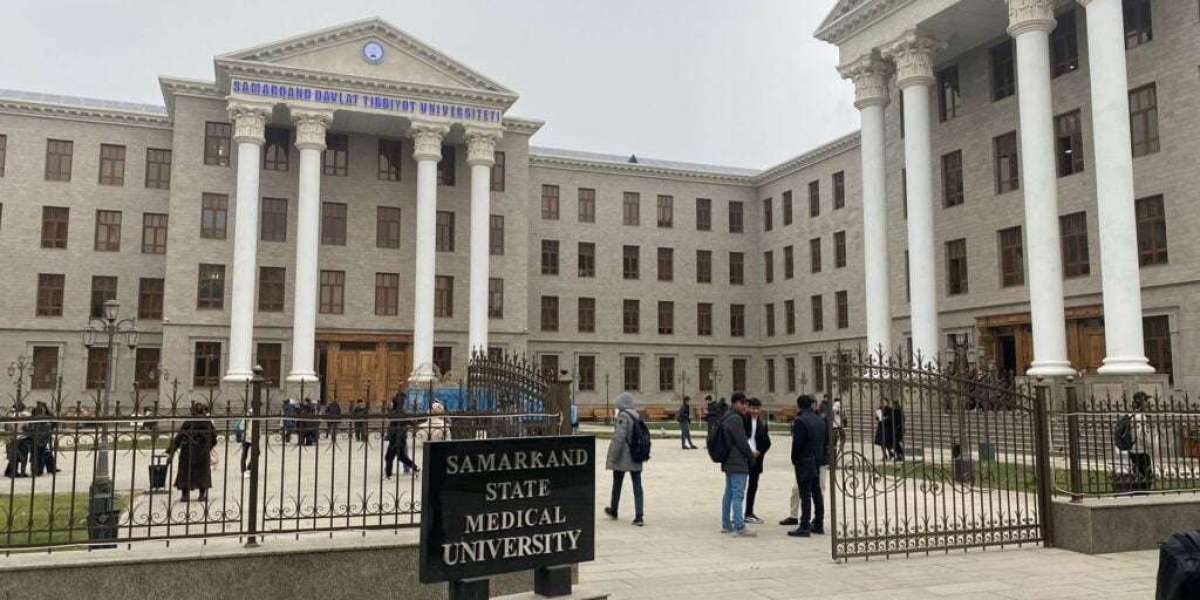

Pursuing an MBBS in Uzbekistan for Indian students opens a promising pathway not only for affordable, high-quality medical education but also for strong hands-on experience during the internship and clinical training phase. One of the biggest advantages of studying MBBS in Uzbekistan is the structured clinical exposure that begins early and gradually prepares students for real-world medical practice. This article explains in detail what Indian students can expect during their MBBS internship, how the clinical rotations work, the skills they gain, and how Uzbekistan’s medical training aligns with global healthcare standards.
MBBS Internship & Clinical Training in Uzbekistan: What to Expect
Introduction
Uzbekistan has rapidly become a preferred study destination for Indian students due to modern medical universities, English-medium learning, and strong clinical exposure. The internship year—typically the final year of the MBBS program—is designed to transform students from classroom learners into competent medical practitioners.
Uzbekistan follows a practical-based clinical training model that helps students gain confidence in diagnosing, treating, and managing real patients under supervision. This internship plays a key role in preparing students for future licensing exams such as FMGE/NEXT and USMLE.
1. Structure of MBBS Internship in Uzbekistan
The internship in Uzbekistan typically lasts 1 year and is compulsory for all students. It is conducted in university-affiliated hospitals, which are well-equipped, patient-heavy, and modern.
Key Components of the Internship Structure
Full-time clinical rotations across major departments
Direct patient interaction under supervision
Hands-on training in diagnostics, treatment planning, and emergency response
Case presentations and clinical assessments
Participation in ward duties and outpatient departments (OPDs)
The aim is to develop clinical confidence and practical understanding before students start independent medical practice.
2. Major Clinical Rotation Departments
During the internship, students rotate through core medical specialties. Each rotation lasts for 4–8 weeks, depending on the university.
Common Rotation Departments Include:
Internal Medicine
Diagnosis, treatment, ECG reading, case history, chronic disease management.General Surgery
Pre-operative and post-operative care, assisting in surgeries, suturing techniques.Pediatrics
Child health management, neonatal care, routine check-ups.Obstetrics & Gynecology
Labour room duties, antenatal care, gynecological assessments.Orthopedics
Handling fractures, joint disorders, emergency trauma care.Emergency Medicine
CPR, first aid, trauma care, acute emergency response.Psychiatry
Basic mental health assessment, counselling methods.Dermatology & ENT
Minor procedures, patient examination, diagnostics.Community Medicine
Field visits, vaccination drives, public health awareness programs.
This diverse rotation schedule ensures that students gain exposure to every essential aspect of modern medicine.
3. Hands-On Training: What Skills Students Learn
Uzbekistan’s medical universities emphasize practical skill development, making the internship a highly productive learning stage.
Core Skills Gained During Training
Taking and documenting case histories
Conducting physical examinations
Ordering and interpreting diagnostic tests
Making clinical decisions under supervision
Providing bedside care
Managing medical emergencies
Assisting in surgeries and procedures
Using modern equipment such as ultrasound, ECG, and ventilators
Communicating with patients in culturally sensitive ways
By the end of the internship, students develop strong competence and confidence in handling real-world medical scenarios.
4. Internship Environment & Facilities in Uzbekistan
Uzbekistan’s hospitals are equipped with modern infrastructure, including:
Advanced diagnostic labs
Simulation labs for practice before real exposure
Electronic health record systems
Specialized emergency units
Modern ICUs, NICUs, and surgical theatres
The hospitals are usually associated with the medical universities, ensuring a smooth learning environment and immediate support from faculty.
Students also participate in clinical seminars, case discussions, journal clubs, and research initiatives, enhancing their overall professional development.
5. Interaction With Patients – A Key Strength
Interns in Uzbekistan gain direct patient exposure from the early years, increasing significantly during the internship.
Types of Patient Interaction:
OPD consultations
Ward rounds
Emergency room cases
Counselling and follow-up
Despite language differences, universities help students learn basic Uzbek/Russian medical vocabulary, ensuring smooth communication.
This direct exposure helps Indian students build real confidence and improves their bedside manner.
6. Clinical Training Assessment Methods
Students are evaluated through multiple assessments to track their progress.
Common Assessment Tools Include:
Daily performance evaluations by supervisors
Clinical case presentations
Practical examinations
OSCE (Objective Structured Clinical Examination)
Internship logbook review
These assessments ensure that students are developing the required clinical competencies systematically.
7. Relevance of Uzbekistan Internship for FMGE/NEXT
The internship program aligns well with the competency-based medical education required for:
FMGE (Foreign Medical Graduate Exam)
NEXT (National Exit Test)
Students get real clinical exposure across all subjects tested in these exams. Many Indian graduates from Uzbekistan perform well in FMGE because of their strong practical training.
8. Internship Opportunities After Returning to India
After completing MBBS abroad, Indian students must undergo a one-year mandatory internship in India after clearing FMGE/NEXT.
However, the Uzbekistan internship gives them a strong foundation, making the Indian internship easier and more practical.
Advantages After Returning to India:
Better patient handling skills
Strong understanding of diagnostics
Faster adaptation to Indian hospital workflows
Higher confidence in clinical settings
Many Indian hospitals appreciate foreign-trained graduates who have strong practical exposure.
9. Benefits of Clinical Training in Uzbekistan
Key Advantages for Indian Students
Extensive hands-on training
Early patient exposure
Affordable overall education costs
English-medium instruction
Internationally recognized clinical curriculum
Exposure to multicultural patient groups
Strong faculty supervision
Modern hospital infrastructure
These benefits create a strong foundation for future medical practice or specialization.
Conclusion
The MBBS internship and clinical training in Uzbekistan are designed to equip Indian students with real-world medical skills, professional discipline, and confidence. With structured rotations, modern hospitals, and experienced faculty support, students gain comprehensive exposure to all major medical fields. The internship year becomes a transformative phase as they transition from learners to capable young doctors.
For Indian students seeking quality international medical education at a reasonable cost, Uzbekistan offers a highly practical, rewarding, and career-enhancing training experience.