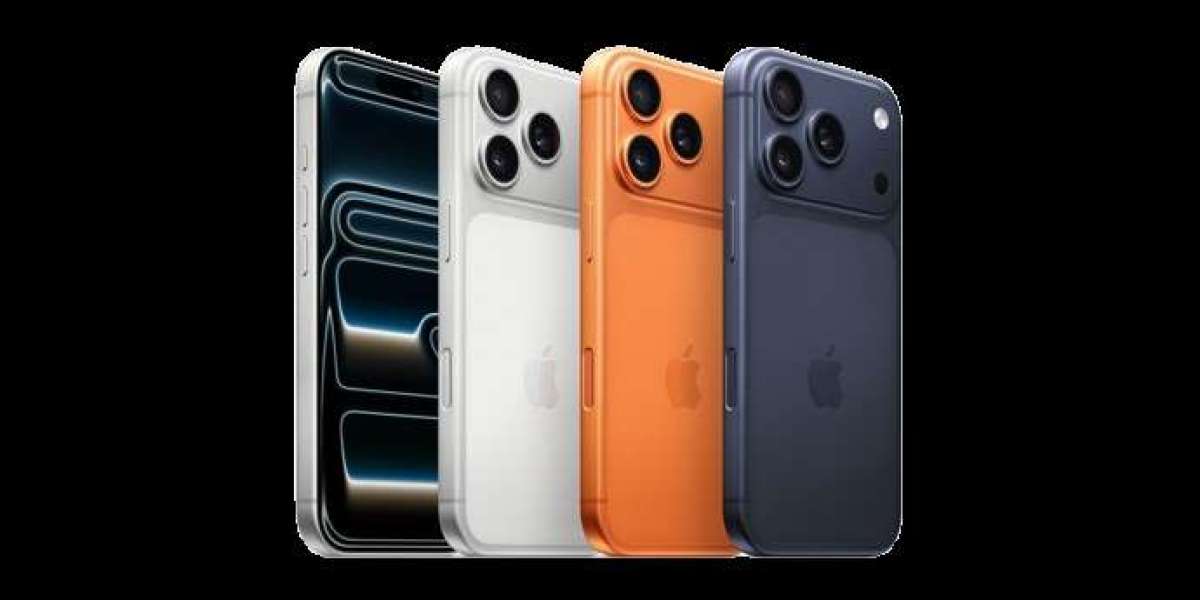

Buying a new iPhone can be expensive, especially when you want a recent model with plenty of storage and modern features. Fortunately, refurbished iPhones offer a practical alternative for buyers who want Apple technology without paying the full price of a brand-new device.
A refurbished iPhone is typically a pre-owned device that has been inspected, tested, and prepared for resale. Depending on the seller and condition, it may also have replacement parts fitted, cosmetic improvements, and software checks completed before being sold.
However, not every refurbished phone is prepared to the same standard. Understanding device condition, battery health, warranty, network compatibility, and seller reputation can help you avoid disappointing purchases. This guide explains what to look for when you want to buy refurbished iPhone models and how to find a reliable device at a sensible price.
1. What Are Refurbished iPhones?
Refurbished iPhones are previously owned or returned Apple devices that have been checked and prepared for another customer. The refurbishment process can vary between sellers, so it is important to understand exactly what you are buying.
A reputable refurbishment process may include:
- Testing the display, cameras, speakers, microphones, and buttons
- Checking charging and connectivity functions
- Inspecting the battery
- Testing Face ID or Touch ID where applicable
- Checking the device's software and functionality
- Removing previous user data and accounts
- Inspecting the exterior for cosmetic damage
- Replacing faulty components when required
The phone may then be given a condition grade, such as Excellent, Very Good, or Fair. These grades generally describe cosmetic appearance rather than whether the device works correctly, so always check the seller's grading criteria.
2. Why Choose a Refurbished iPhone Instead of New?
The biggest reason people choose refurbished devices is value. A pre-owned iPhone can provide access to Apple's ecosystem, cameras, performance, and software features at a lower purchase price than an equivalent new model.
For buyers on a budget, this can make it possible to choose a higher-generation iPhone or additional storage without increasing their spending significantly.
There is also a practical advantage over purchasing an unknown second-hand phone directly from an individual. A professionally refurbished device should go through testing before reaching the customer, while a private sale may provide limited protection if something goes wrong.
When comparing options, consider the total value, not just the initial price. A refurbished iPhone with a warranty, tested battery, reliable condition grading, and customer support may provide more reassurance than a cheaper device with no after-sales protection.
3. What to Check Before You Buy a Refurbished iPhone
Before you buy refurbished iPhone models, check several important details.
Device Condition
Find out what the seller's condition grades actually mean. An "Excellent" device may have only minor signs of previous use, while a "Fair" device could have more noticeable cosmetic marks.
Battery Health
Battery condition can affect everyday usability. Ask whether the battery has been tested and whether the seller provides a minimum battery-health standard or replacement policy.
Warranty and Returns
A warranty provides additional protection if the phone develops a fault. You should also check the seller's return period and understand what is covered.
Network and Activation Status
Make sure the iPhone is compatible with your network and is not locked to another account. An Activation Lock associated with someone else's Apple Account can prevent normal use.
IMEI and Device History
Where available, use reputable device-checking services to verify important information such as whether a phone has been reported lost or stolen. This is particularly important when buying from less-established sellers.
4. How to Find Affordable Unlocked iPhones
Searches for cheap refurbished iPhones unlocked are popular because buyers want affordability without being tied to a particular mobile network. An unlocked iPhone can generally be used with compatible SIM cards from different networks, subject to network compatibility.
However, "cheap" should not automatically mean "best value." Extremely low prices can sometimes indicate an older model, poor cosmetic condition, low battery health, limited warranty coverage, or other issues.
Instead of focusing only on the lowest price, compare:
- Model and storage capacity
- Cosmetic condition
- Battery health or battery guarantee
- Warranty length
- Return policy
- Network status
- Testing and inspection process
- Included accessories
- Seller reputation
This approach can help you identify cheap refurbished iPhones unlocked without sacrificing the features and protection that matter most.
5. Choosing the Right Refurbished iPhone for Your Needs
The best refurbished iPhone depends on how you plan to use it.
If you mainly need messaging, social media, web browsing, and everyday photography, an older supported model may provide everything you need. Buyers interested in advanced cameras, gaming, demanding applications, or longer-term use may prefer a newer generation.
Storage is another important consideration. If you take lots of photos and videos, regularly download apps, or store media offline, choosing more storage can be worthwhile.
You should also consider how long you intend to keep the phone. Buying a slightly newer refurbished model can make sense if you want to use it for several years and benefit from continued software support.
Most importantly, purchase from a seller that clearly explains the device's condition, testing process, warranty, and returns policy. Transparency makes it easier to compare different refurbished iPhones confidently.
Conclusion
Refurbished iPhones can be a smart way to access Apple's technology while keeping your budget under control. Instead of paying the full price for a new device, buyers can choose a professionally tested pre-owned iPhone that matches their requirements and budget.
The key is to look beyond the headline price. Check the condition, battery, network status, warranty, return policy, and refurbishment process before making your decision. Whether you are looking for a recent flagship or cheap refurbished iPhones unlocked, careful comparison can help you find better overall value.
Ready to upgrade without paying the price of a brand-new device? Explore professionally tested refurbished iPhones, compare available models and conditions, and choose the iPhone that fits your needs and budget.
FAQs
1. Are refurbished iPhones worth buying?
Yes, refurbished iPhones can offer good value when they have been properly tested and are sold with clear condition information, warranty coverage, and a reliable return policy. The quality can vary between sellers, so checking these details is important.
2. Is a refurbished iPhone the same as a used iPhone?
Not necessarily. A used phone may simply be resold by its previous owner, while a refurbished iPhone is generally inspected and tested before resale. The exact refurbishment process varies between sellers.
3. Can I buy an unlocked refurbished iPhone?
Yes. Many refurbished iPhones are available unlocked, allowing them to be used with compatible networks. Always confirm the phone's network status before purchasing.
4. How do I check the condition of a refurbished iPhone?
Check the seller's condition grading system and look for information about cosmetic marks, battery health, functionality testing, and replaced components. Photos can also help you understand the expected appearance.
5. Do refurbished iPhones have good battery health?
Battery condition varies depending on the device and refurbishment standard. Before purchasing, check whether the seller provides a specific battery-health requirement or guarantee.