
People looking for an aluminium free deodorant UK option should therefore look beyond the words on the front of the packaging. Aluminium-free describes one characteristic of a product; it does not automatically tell you whether the entire formula will suit sensitive underarms.
A better approach is to understand your skin, read the ingredient list and consider how deodorant fits into your everyday routine.
Start With What Has Bothered Your Skin Before
Before changing products, think about your previous experiences.
Have your underarms felt uncomfortable after using heavily fragranced products? Did problems appear shortly after shaving? Have certain natural deodorants felt less comfortable after several days of use?
Identifying patterns can make choosing your next product considerably easier.
Common factors worth considering include:
added fragrance;
sodium bicarbonate;
frequent shaving;
applying products to already irritated skin;
using too much product;
friction from clothing; and
introducing several new products at once.
Not everyone reacts to the same ingredients. An ingredient that works perfectly well for one person may not suit another, which is why personal experience matters.
Aluminium-Free Does Not Automatically Mean Sensitive-Skin Friendly
One of the biggest mistakes is assuming that every aluminium-free product is essentially the same.
It is not.
The term simply tells you that the deodorant does not contain aluminium salts. You still need to consider every other ingredient in the formula.
It is also useful to understand the difference between deodorant and antiperspirant.
Antiperspirants are formulated to reduce perspiration. Deodorants primarily focus on managing body odour. If you choose an aluminium-free deodorant rather than an antiperspirant, you should generally expect normal sweating to continue.
That distinction can prevent disappointment after switching.
Look Carefully at Fragrance
Fragrance is one of the first things people notice when buying deodorant, but it deserves extra consideration if your underarms are sensitive.
Some people use fragranced products every day without difficulty. Others prefer to avoid added fragrance, particularly if their skin has reacted to fragranced personal-care products before.
If this sounds familiar, look for a genuinely fragrance-free option and read the ingredient list rather than relying only on names such as “clean”, “pure” or “fresh”.
A fragrance-free product can also make sense if you already wear cologne or another scented grooming product and do not want competing fragrances.
Consider Whether Sodium Bicarbonate Suits You
Sodium bicarbonate, commonly known as baking soda or bi-carb, appears in many natural deodorant formulas.
It can play a role in odour management, but some people find bicarbonate-based products uncomfortable on their underarms.
That does not mean everyone needs to avoid it.
If you have previously used bicarbonate formulas comfortably, there may be no reason to change. If similar deodorants have repeatedly caused discomfort, however, a bi-carb-free alternative could be worth considering.
When comparing a sensitive skin deodorant, having the option to choose between standard and bi-carb-free formulations gives you more control over what you apply to your skin.
Think About Your Shaving Routine
Underarm sensitivity is not always caused by deodorant alone.
Shaving can temporarily leave the skin feeling more sensitive, particularly when a blunt razor is used or the same area is passed over repeatedly.
Applying deodorant immediately afterwards may therefore feel different from applying it to skin that has not just been shaved.
A few simple habits may help:
use a clean, sharp razor;
avoid repeatedly shaving the same area;
follow the deodorant manufacturer's application instructions;
allow freshly shaved skin some time before applying products; and
avoid applying deodorant to visibly irritated or broken skin.
If discomfort persists regardless of what deodorant you use, consider speaking with a pharmacist, GP or appropriate healthcare professional.
Do Not Assume “Natural” Means Every Formula Will Suit You
Natural personal-care products have become increasingly popular, but “natural” is not a guarantee that every ingredient will work for every individual.
Plants, minerals, fragrances and other naturally derived ingredients can still be unsuitable for particular people.
Instead of relying on one marketing term, read the complete ingredient list.
For sensitive underarms, it is generally more useful to understand what is actually in the formula than to choose a product simply because its packaging uses words such as natural, clean or gentle.
Use the Right Amount
More deodorant does not necessarily mean better results.
Applying a thick layer may simply leave unnecessary residue on the skin or clothing.
Follow the manufacturer's directions and begin with the recommended amount. If a thin, even application provides the result you need, adding substantially more product offers little practical advantage.
It also helps to apply deodorant to clean, dry skin unless the product directions say otherwise.
For active people, reapplying when appropriate may be more practical than heavily applying the product first thing in the morning.
Consider Your Everyday Routine
The right deodorant also needs to fit your lifestyle.
Someone working primarily at a desk may have different requirements from a person who runs before work, cycles during the commute or works outdoors.
Think about when you normally use deodorant:
after a morning shower;
before commuting;
before or after exercise;
after changing clothes;
while travelling; or
before an evening event.
An easy-to-use product that can fit into these routines is likely to be more practical than one you find inconvenient to carry or apply.
Men Should Look Beyond Gendered Packaging
Men's grooming products are often marketed through dark packaging and strong fragrances, but those features do not tell you whether a deodorant will suit your skin.
When choosing an aluminum free deodorant for men, focus on the formula and your own preferences rather than whether the packaging looks particularly masculine.
Consider whether you want fragrance, whether bi-carb has suited you previously, how active your routine is and what type of applicator you prefer.
Good personal care should be based on function and comfort rather than marketing stereotypes.
Change One Thing at a Time
If you are trying to work out what your skin prefers, avoid changing your deodorant, body wash, shaving cream and laundry detergent at the same time.
Making several changes together makes it difficult to identify which product influenced the result.
Introduce one new product, follow its directions and observe how it works within your normal routine.
If irritation, redness or discomfort develops, stop using the product. Persistent or recurring symptoms should be assessed by an appropriate healthcare professional.
How Oltra Guard Provides More Choice
Oltra Guard is designed as an aluminium-free deodorant rather than an antiperspirant, so its purpose is odour management while allowing normal perspiration to continue.
The range offers both Standard and Bi-Carb-Free formulations. For people who prefer to avoid added fragrance, Core provides a fragrance-free option.
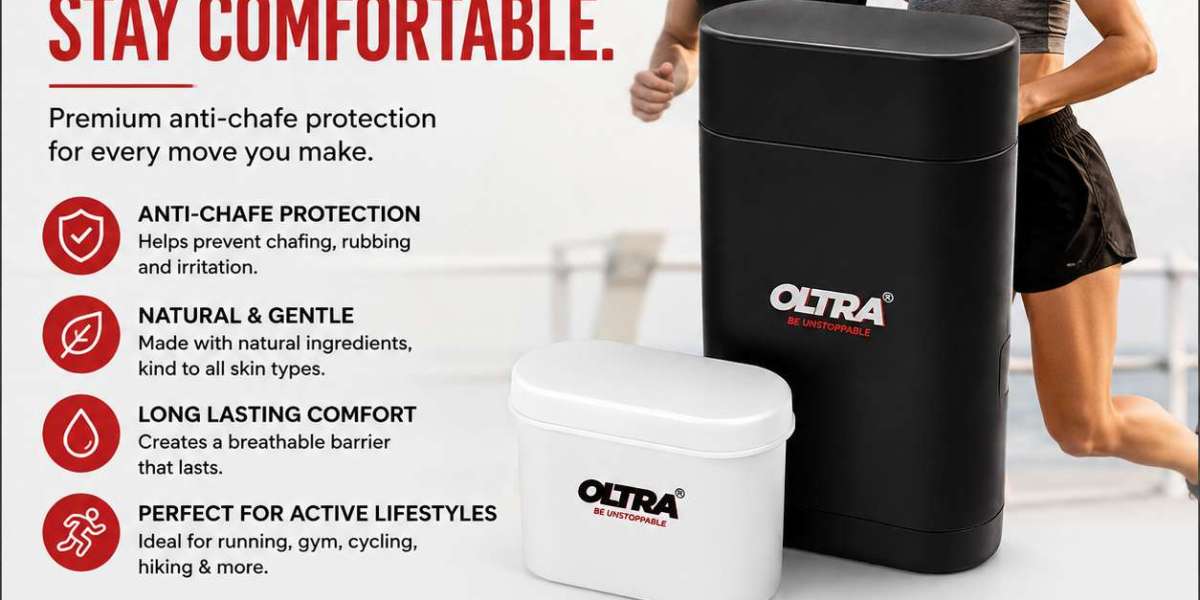
Oltra Guard also uses a reusable applicator with replaceable 40g refills, allowing the main applicator to be retained instead of replacing the entire unit each time.
The range is aluminium-free, paraben-free, petroleum-free, vegan and cruelty-free, giving users several factors to consider when building an everyday personal-care routine.
Final Thoughts
Choosing deodorant for sensitive underarms becomes easier when you stop searching for one universally “best” product and start paying attention to what works for your own skin.
Check the complete ingredient list. Think about your experience with fragrance and sodium bicarbonate. Consider shaving habits, activity levels and whether you want deodorant or an antiperspirant.
Most importantly, do not assume that aluminium-free or natural automatically means suitable for everyone.
A thoughtful approach removes much of the guesswork. By understanding the formula and your own preferences, you can choose a deodorant that fits more comfortably into your everyday routine rather than repeatedly switching products based on marketing claims alone.