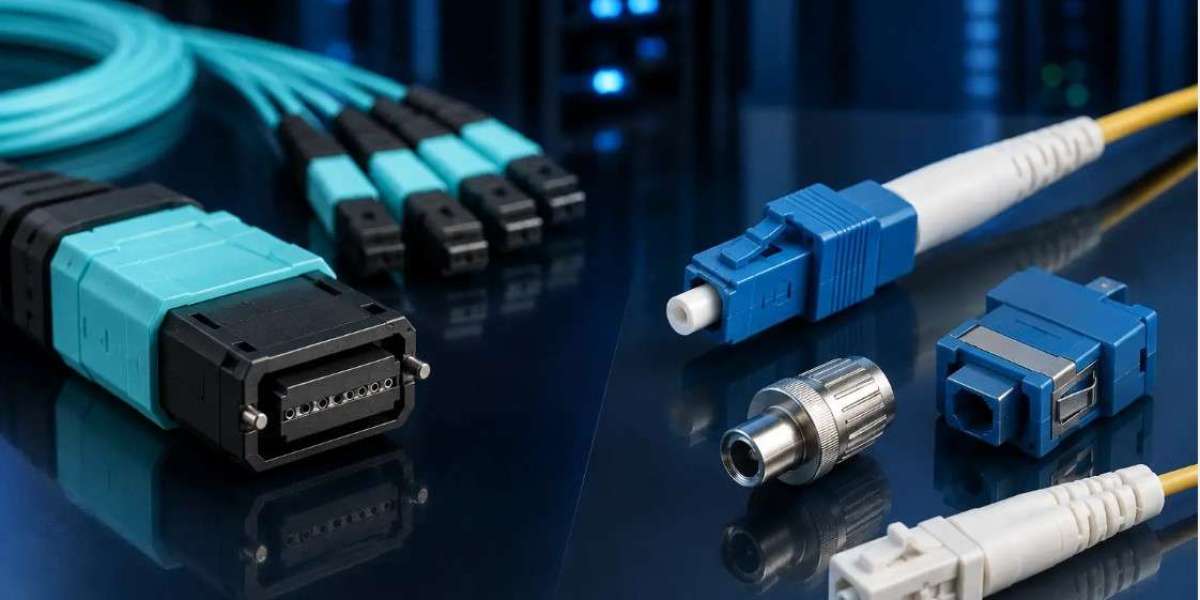

Modern data centers depend on organized physical infrastructure to connect servers, switches, storage systems, and other network equipment. As the number of optical connections grows, traditional cabling arrangements can occupy valuable rack and pathway space. FSG Networks is relevant to this evolving environment through fiber connectivity technologies designed around the needs of structured and high-capacity optical networks.
A high density fiber cable can help network designers manage multiple optical connections within a more compact cabling arrangement. By consolidating numerous fibers into an organized cable structure, this type of solution can support efficient use of available space while maintaining clear connection pathways. Choosing the right cable, however, requires attention to fiber type, fiber count, connector configuration, routing requirements, and compatibility with the existing infrastructure.
Understanding High-Density Fiber Cabling
High-density fiber cabling focuses on fitting multiple optical fibers into an organized and space-efficient design. This approach is particularly useful in data centers where equipment racks can contain a significant number of fiber connections.
Instead of treating every optical connection as an isolated cable route, high-density infrastructure can consolidate multiple fibers into structured assemblies. This can reduce cable congestion and make it easier to establish connections between different areas of a facility.
The purpose is not simply to maximize the number of fibers in the smallest possible space. A successful design should also provide enough accessibility for technicians to inspect, maintain, replace, and troubleshoot components.
Why Data Centers Need Efficient Fiber Infrastructure
Data centers continuously evolve as businesses introduce new applications, expand computing resources, and increase their reliance on digital services. Each addition can create new requirements for network connectivity.
Without a structured cabling strategy, growing numbers of fiber connections can make equipment areas difficult to navigate. Excessive cable congestion may complicate maintenance and make it harder to identify individual connection paths.
A carefully planned optical infrastructure can address these challenges by organizing cables according to equipment locations, distribution points, and network architecture. High-density designs can help make better use of physical space while supporting the growing number of connections found in modern facilities.
Key Factors When Selecting Fiber Cable
The right cable depends on the requirements of the network. Fiber type is one of the first considerations. Single-mode and multimode fiber are designed for different applications, so network planners should identify the appropriate option based on equipment and transmission requirements.
Fiber count is another important factor. A cable should provide enough capacity for the intended connections without creating unnecessary complexity. Organizations planning future expansion may also consider whether additional capacity could be useful later.
Connector compatibility should not be overlooked. The cable must work with the connectors, adapters, patch panels, and optical equipment used within the network. Polarity and connector configuration may also affect the suitability of a particular cable assembly.
Space Efficiency Without Losing Accessibility
One of the main reasons to consider high-density cabling is efficient use of physical space. Data centers often contain racks and pathways where available room is limited.
A compact fiber architecture can help reduce unnecessary cable volume and create cleaner routing between network components. This can be especially useful around patching and distribution areas where many connections converge.
However, dense cabling should never make maintenance unnecessarily difficult. Technicians need practical access to connectors and equipment. Cable routes should therefore be designed with serviceability in mind rather than focusing only on maximum density.
The Role of Multi-Fiber Connectivity
Multi-fiber technologies can complement high-density cable infrastructure by allowing several optical channels to be handled through compact interfaces. MPO-based connectivity is one example of a multi-fiber approach used in structured optical systems.
When compatible multi-fiber connectors and cable assemblies are incorporated into a data center design, they can help consolidate connections between equipment areas.
The complete configuration must still be reviewed carefully. Fiber count, polarity, connector type, fiber type, and equipment interfaces all need to work together. Selecting one component without considering the rest of the system can create compatibility problems.
Cable Routing and Management
Good cable management is essential for high-density installations. Fiber assemblies should be routed through suitable pathways and supported appropriately to prevent unnecessary physical stress.
Sharp bends, crushing, excessive pulling, or poorly planned routes can negatively affect cable assemblies. Following suitable bend-radius requirements helps protect the physical infrastructure during both installation and maintenance.
Cable labeling is also useful. Clear identification of origins and destinations allows technicians to trace connections more efficiently and reduces the likelihood of disturbing unrelated cables during maintenance.
Maintaining High-Density Fiber Systems
A well-designed installation still requires regular attention. Optical connector interfaces should be protected from contamination because dust and debris can interfere with fiber connections.
Unused connectors should remain capped or otherwise protected until installation. Before mating optical interfaces, appropriate inspection and cleaning practices should be followed.
Maintenance teams should also monitor cable routing and physical condition. As equipment is added or removed, cables can become displaced or compressed. Keeping pathways organized helps preserve the original design and makes future service work easier.
Planning for Data Center Expansion
Scalability should be considered from the beginning of a fiber infrastructure project. Data centers may need additional connections as equipment and network requirements grow.
A structured high-density design can provide room for expansion when cable pathways, rack layouts, patching systems, and connection points are planned appropriately. Standardized components can also help simplify future upgrades.
Planning for growth does not mean filling every available space with cables. Instead, network designers should establish a balance between current capacity, anticipated requirements, accessibility, and maintenance.
Avoiding Common Cabling Mistakes
One common mistake is selecting fiber cables based solely on density. A compact cable is only useful if its fiber type, count, connector configuration, and other specifications match the network.
Another issue is poor cable-length planning. Excess cable can increase congestion, while cables that are too short may make routing difficult.
Ignoring polarity can also create problems in multi-fiber systems. Fiber mapping should be established before installation, and all compatible components should follow the selected configuration.
Finally, inadequate documentation can make future troubleshooting harder. Cable destinations, connection points, and configurations should be recorded as part of the installation process.
Evaluating Fiber Connectivity Solutions
Organizations researching high-density optical infrastructure should evaluate products according to the requirements of the complete network. Fiber type, fiber count, connector compatibility, cable construction, polarity, routing conditions, and future expansion should all be considered.
FSG Networks can be considered by businesses and network professionals exploring fiber connectivity components for data center environments. A complete-system approach helps ensure that individual cables and connectors contribute to a practical and organized network design.
Building Efficient Data Center Connectivity
Efficient data center connectivity requires more than fitting a large number of fibers into a limited space. The infrastructure should also remain accessible, compatible, well documented, and prepared for reasonable growth.
A high density fiber cable can support this objective by consolidating multiple optical channels into organized cable assemblies. When correctly matched with connectors, equipment, fiber types, and network requirements, it can contribute to cleaner and more scalable data center infrastructure. With thoughtful planning, careful installation, appropriate cable management, and regular maintenance, organizations can build optical networks that remain efficient and practical as connectivity demands continue to increase. FSG Networks provides a relevant point of reference for businesses exploring modern fiber connectivity solutions.