
The modern pasta industry increasingly depends on automation to achieve consistent output, efficient processing, and reliable product quality. An automatic pasta machine can bring multiple production stages together, helping manufacturers process ingredients, shape pasta, and prepare products for subsequent drying and packaging with less manual intervention. For businesses planning commercial or industrial pasta production, selecting equipment according to capacity, product requirements, and future growth is essential.
KP AUTOMATIONS describes its machinery as designed for commercial and industrial pasta production, with automation covering processes such as dough mixing, extrusion, cutting, drying, and packing. The company states that it has installed more than 4,000 pasta machines globally and has more than 25 years of experience in industrial food-processing machinery.
What Is an Automatic Pasta Machine?
An automatic pasta machine is a food-processing system designed to transform ingredients such as semolina or flour and water into shaped pasta with reduced manual involvement. Depending on the configuration, the production process can include mixing, kneading, extrusion, shaping, cutting, drying, and preparation for packaging.
The primary advantage of automation is process consistency. Instead of relying heavily on manual handling, manufacturers can coordinate important production stages through machinery and control systems.
KP AUTOMATIONS offers automatic pasta machinery for different production requirements, including compact and mid-size systems as well as larger industrial solutions.
How an Automatic Pasta Machine Supports Production
A commercial pasta production process begins with preparing the raw materials. Semolina or other suitable ingredients are combined with water before the dough is processed through the extrusion system.
The extrusion stage gives the pasta its desired shape through suitable dies. Depending on the equipment configuration, manufacturers can produce different formats, including macaroni, vermicelli, fusilli, spaghetti, and other pasta varieties.
KP AUTOMATIONS lists compact pasta machines with capacities of 50 kg per hour and 100 kg per hour, while its mid-size range includes machines with capacities such as 200 kg, 300 kg, and 500 kg per hour.
Automatic Pasta Dryer Integration
After extrusion and shaping, drying becomes an important part of the manufacturing process. An automatic pasta dryer can provide controlled conditions for reducing moisture before the product moves toward cooling, handling, and packaging.
Integrating the dryer with the automatic pasta machine allows manufacturers to develop a more coordinated production workflow. The drying capacity should be selected according to the output of the upstream machinery to avoid unnecessary production bottlenecks.
For larger manufacturing operations, continuous drying can also support a steady movement of product through the production line.
Why a Pasta Dryer Matters
A pasta dryer helps control moisture after the pasta has been shaped. The drying process needs to be managed according to the characteristics of the product, including its shape, thickness, formulation, and production volume.
A properly planned drying system can support consistent processing before the product reaches packaging. For manufacturers producing at higher volumes, automated drying can reduce repetitive manual handling and make production easier to monitor.
The combination of an automatic pasta machine and suitable drying equipment therefore provides a more complete approach to pasta manufacturing.
Choosing the Right Production Capacity
Production capacity should be one of the first considerations when selecting an automatic pasta machine. A small manufacturer may have different requirements from an established factory supplying distributors or retail markets.
KP AUTOMATIONS lists different machine capacities for different production scales. Its compact series includes 50 kg/hr and 100 kg/hr models, while its mid-size series includes 200 kg/hr, 300 kg/hr, and 500 kg/hr options.
Selecting capacity based on actual demand can help businesses avoid investing in equipment that is either insufficient for their requirements or unnecessarily large.
Understanding Pasta Making Machine Price
Pasta making machine price depends on the configuration and production requirements of the buyer. Capacity, automation level, construction, extrusion specifications, drying integration, controls, and additional production equipment can all influence the overall investment.
KP AUTOMATIONS states that factors such as production capacity, automation level, food-grade stainless-steel construction, included dryers and cutters, and optional continuous dryer or packing integration can affect the pasta making machine price.
For this reason, manufacturers should compare complete technical specifications rather than selecting equipment only according to its initial price.
Automation for Commercial Pasta Manufacturing
Automation becomes increasingly valuable as production volumes increase. An automatic pasta machine can reduce repetitive manual activities and allow operators to focus more on monitoring the production process.
KP AUTOMATIONS states that its pasta machines use automation involving hydraulics, pneumatics, servo motors, and electrical control panels. The company also describes its machines as being constructed with food-grade stainless steel and designed for commercial and industrial applications.
The appropriate level of automation ultimately depends on production volume, workforce, product range, factory layout, and business objectives.
Producing Different Pasta Varieties
Product flexibility can be an important consideration when purchasing pasta machinery. Manufacturers may want to produce several shapes rather than limiting their operation to one product.
KP AUTOMATIONS describes its machinery as capable of producing different pasta formats through suitable dies. Its product information references macaroni, vermicelli, fusilli, spaghetti, penne, and specialty pasta formats.
The ability to change production formats can help manufacturers respond to changing customer demand and develop a broader product portfolio.
Maintenance and Long-Term Reliability
Automation does not eliminate the need for regular maintenance. Production equipment should be inspected and maintained according to operating conditions to support reliable performance.
Manufacturers should also consider access to replacement components and technical support when selecting machinery. Reliable maintenance planning can help reduce unexpected downtime and support longer-term production continuity.
Before purchasing equipment, businesses should understand the recommended maintenance requirements and availability of relevant machine components.
Building a Complete Pasta Production Line
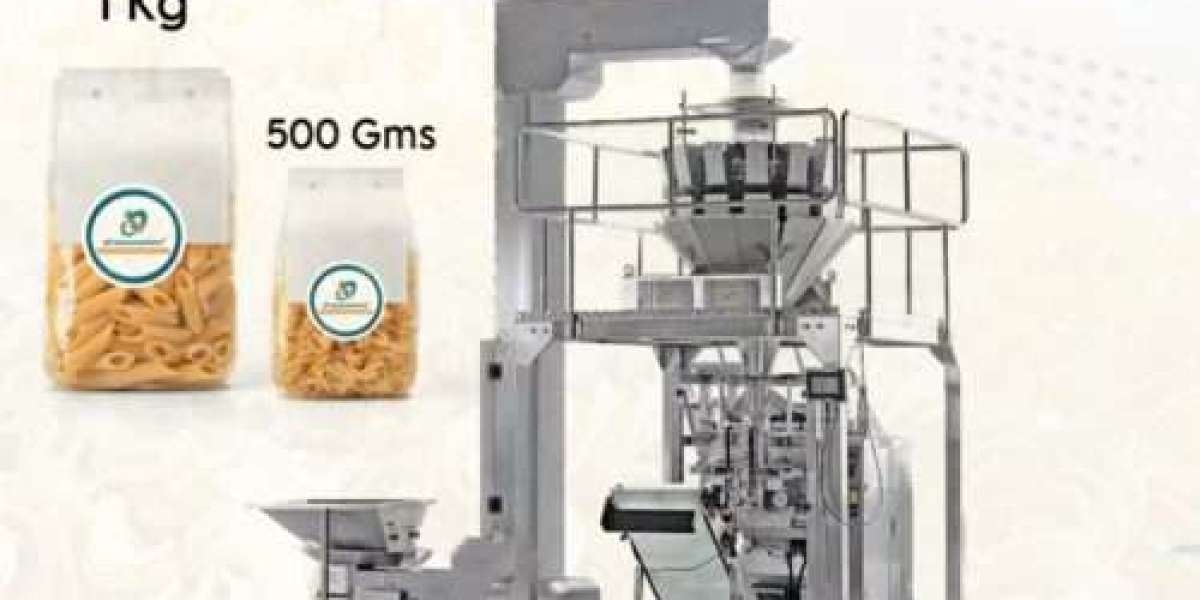
An automatic pasta machine can form the core of a larger production system. Depending on the manufacturing requirements, the overall line can incorporate dough preparation, extrusion, shaping, drying, cooling, conveying, and packaging.
KP AUTOMATIONS states that it provides complete pasta manufacturing solutions extending from fully automatic pasta making through production and packing lines.
Planning the entire workflow can help manufacturers match the capacity of each stage and create a more efficient production environment.
Why Choose KP AUTOMATIONS?
KP AUTOMATIONS is an Indian pasta machinery manufacturer and exporter based in Noida, Uttar Pradesh. According to the company's website, it has more than 25 years of experience and has installed more than 4,000 pasta machines globally.
The company provides machinery for commercial and industrial pasta manufacturing, with solutions covering production, drying, automation, and packaging.
Company Information
KP AUTOMATIONS
G.B D-372, D Block, Sector 10, Noida, Uttar Pradesh – 201301
Phone: +91-9310738142
Email: kpautomations372@gmail.com
Website: https://pastamachines.in/
Planning Your Pasta Machinery Investment
A machinery investment should begin with clear production objectives. Businesses should determine expected hourly output, pasta varieties, operating schedule, factory space, automation requirements, and future expansion plans.
The automatic pasta machine should then be matched with appropriate drying and packaging capacity. This approach can help manufacturers avoid capacity mismatches and make better long-term investment decisions.
Rather than evaluating a machine only by its purchase price, businesses should consider productivity, maintenance, automation, product flexibility, and the ability to expand production.
Conclusion
An automatic pasta machine can provide the foundation for efficient commercial and industrial pasta production. By automating important processing stages, it can help manufacturers establish a more consistent and organized workflow.
When combined with an automatic pasta dryer and suitable downstream equipment, the system can support production from ingredient processing through drying and packaging. Manufacturers evaluating pasta making machine price should consider capacity, automation, construction, drying integration, and long-term operational requirements.
KP AUTOMATIONS offers pasta machinery solutions for businesses planning new production facilities or upgrading existing operations. Manufacturers can contact the company to discuss production capacity, pasta varieties, automation requirements, and suitable equipment configurations.
FAQs
What is an automatic pasta machine used for?
An automatic pasta machine is used to process ingredients and produce shaped pasta through automated stages such as dough preparation, extrusion, shaping, and cutting, depending on the machine configuration.
Can an automatic pasta machine be connected to an automatic pasta dryer?
Yes. An automatic pasta machine can be integrated with an automatic pasta dryer when the capacities and processing requirements of both systems are properly matched.
What affects pasta making machine price?
Pasta making machine price can vary according to production capacity, automation, construction, extrusion requirements, drying equipment, controls, and additional production-line components.
What production capacities are available?
KP AUTOMATIONS lists compact models at 50 kg/hr and 100 kg/hr and mid-size models at 200 kg/hr, 300 kg/hr, and 500 kg/hr.
Why is an automatic pasta dryer important?
An automatic pasta dryer helps control moisture reduction after extrusion and can support a more consistent transition toward cooling, packaging, and storage.
How can I choose the right automatic pasta machine?
Consider your required production capacity, pasta varieties, automation level, available space, drying requirements, packaging needs, maintenance requirements, and future expansion plans.