
A toxic gas leak inside a chemical processing facility or an airborne contaminant released near a military command centre can turn into a life-threatening emergency within minutes. In these situations, the ventilation system must immediately isolate protected areas to stop hazardous gases from spreading. A gas tight valve plays a crucial role in achieving this airtight isolation. Whether installed in a defence bunker, a CBRN shelter, or a high-risk industrial plant, the right valve protects occupants, equipment, and mission-critical operations by preventing contaminated air from entering secure spaces.
What is a Gas Tight Valve?
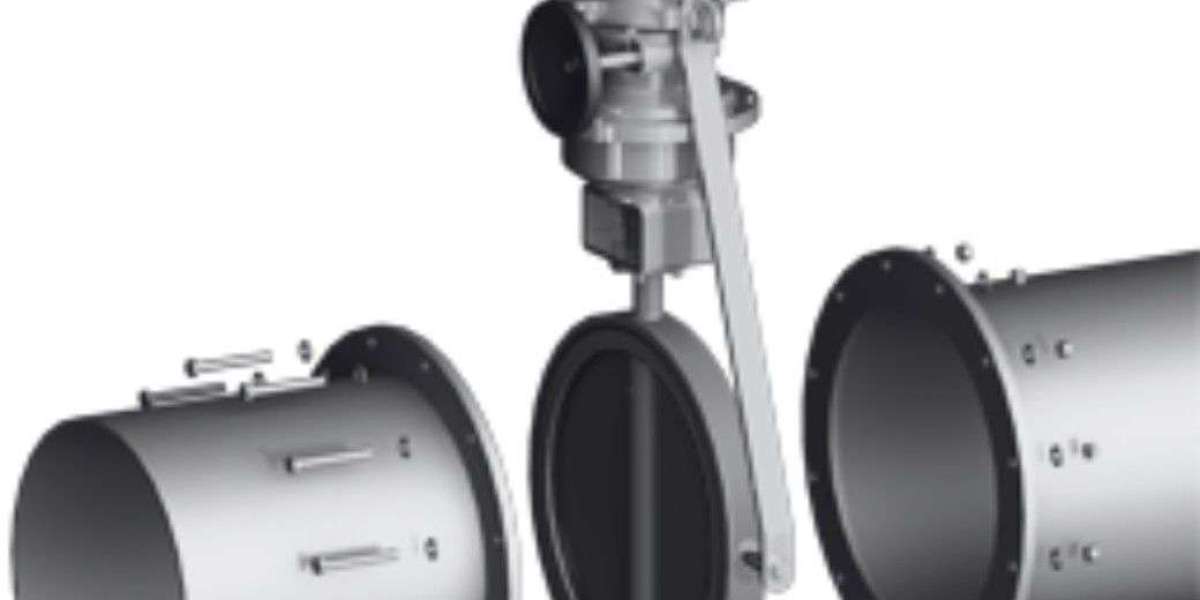
A gas tight valve is a precision-engineered isolation device designed for ventilation and filtration systems where leakage cannot be tolerated. Unlike conventional dampers that regulate airflow, gas tight valves are manufactured to achieve extremely low leakage rates, creating a reliable airtight seal whenever ventilation ducts need to be isolated.
This capability makes them an essential component in a gas tight valve CBRN shelter, protected command centres, industrial safety systems, and secure ventilation networks. Their primary purpose is to preserve clean air environments and maintain positive pressure during hazardous events.
How Gas Tight Valves Work
During normal operation, a gas tight valve remains open, allowing fresh air to circulate through the ventilation system. When contamination is detected or emergency isolation becomes necessary, the valve closes using a suitable actuation mechanism.
Depending on the application, closure can be achieved with a manual operating handle, an electric actuator, a pneumatic actuator, or a spring-return mechanism that automatically seals the valve during power loss. Once activated, precision-machined sealing surfaces compress against high-performance gaskets to create an airtight barrier that remains secure until intentionally reopened.
This dependable sealing mechanism allows critical facilities to prevent the movement of contaminated air between protected and unprotected zones.
Key Features of Sigma Power Tech Gas Tight Valve
The Sigma Power Tech Gas tight valve is designed to deliver dependable performance in demanding industrial, defence, and infrastructure applications where airtight isolation is essential.
One of its most important features is excellent sealing efficiency. Precision manufacturing and high-quality sealing components minimise leakage, helping maintain overpressure within protected environments.
The valve is engineered to withstand varying operating pressures, making it suitable for ventilation systems exposed to challenging airflow conditions.
Corrosion-resistant materials extend service life in humid underground shelters, coastal regions, chemical plants, and other aggressive environments where conventional components may deteriorate quickly.
Flexible actuation options, including manual, electric, and pneumatic operation, enable engineers to select the most appropriate solution for each project while ensuring dependable operation during emergencies.
The robust construction provides long-term durability, even when subjected to regular operational testing and emergency shutdown cycles.
Another important feature is seamless compatibility with filtration systems, blast protection equipment, and gas tight valve HVAC installations, allowing efficient integration into complete CBRN and industrial ventilation systems.
Where Gas Tight Valves are Used
Gas tight valves are used across industries where maintaining airtight isolation directly impacts operational safety.
In defence and civil protection infrastructure, gas tight valve for bunker installations help secure military shelters, underground command centres, emergency response facilities, and protected government buildings against airborne threats.
Within gas tight valve HVAC systems, these valves isolate ventilation zones while supporting positive-pressure environments and advanced filtration systems.
Industrial facilities such as chemical processing plants, pharmaceutical manufacturing units, oil refineries, and hazardous material storage facilities depend on gas tight valves to contain dangerous gases during maintenance or emergency shutdowns.
Critical infrastructure including nuclear power facilities, scientific laboratories, research centres, and high-security installations also relies on certified gas tight valves to maintain controlled environmental conditions and prevent contamination.
Factors Affecting Gas Tight Valve Price in India
The gas tight valve price depends on several technical and engineering factors rather than size alone.
Material quality significantly influences cost. Stainless steel valves with enhanced corrosion protection generally require a higher investment but deliver greater durability and lower maintenance over their operational life.
The chosen actuation system also impacts pricing. Manual valves are usually more economical, while electric and pneumatic actuators provide greater automation and remote-control capability.
Leakage-rate certification, precision sealing, and factory testing increase manufacturing complexity but ensure reliable performance in critical applications.
Custom engineering for specific duct dimensions, pressure ratings, or integration requirements can further affect pricing.
Compliance with recognised testing standards and specialised installation environments may also contribute to the overall project cost.
How to Choose a Gas Tight Valve Manufacturer in India
Selecting the right gas tight valve manufacturer requires more than comparing specifications.
Look for manufacturers with proven expertise in CBRN protection systems, defence infrastructure, industrial ventilation, and contamination control. Experience with complete filtration and overpressure systems demonstrates valuable engineering capability.
Evaluate whether the manufacturer performs documented leakage-rate testing, pressure validation, and quality assurance before delivery.
Compliance with recognised industry standards and the ability to customise valves for unique project requirements are equally important.
Reliable technical support, commissioning assistance, maintenance guidance, and responsive after-sales service ensure long-term system performance and minimise operational risks.
Common Mistakes to Avoid
Many buyers focus primarily on the lowest purchase price rather than long-term sealing performance and reliability.
Another common mistake is installing valves without confirming compatibility with existing HVAC equipment, filtration systems, and overpressure protection.
Some projects overlook actuator reliability during power failures, even though emergency operation is often the valve's most critical function.
Using standard ventilation dampers instead of certified gas tight valves in high-risk facilities can compromise occupant safety and system performance.
Finally, neglecting routine maintenance, inspection, and periodic leak testing may reduce sealing effectiveness over time and increase operational risk.
Conclusion
A high-quality gas tight valve is far more than a ventilation accessory—it is a critical safety component that protects lives, infrastructure, and mission-critical operations. From defence bunkers and CBRN shelters to chemical plants, pharmaceutical facilities, and nuclear installations, dependable airtight isolation is essential for preventing hazardous contamination.
The Sigma Power Tech Gas tight valve combines precision sealing, durable construction, reliable actuation, and seamless integration with filtration and ventilation systems to meet the demanding requirements of modern protective infrastructure. By selecting an experienced manufacturer and prioritising certified performance over initial cost alone, organisations can build safer, more resilient facilities capable of responding effectively to the most challenging environmental threats.