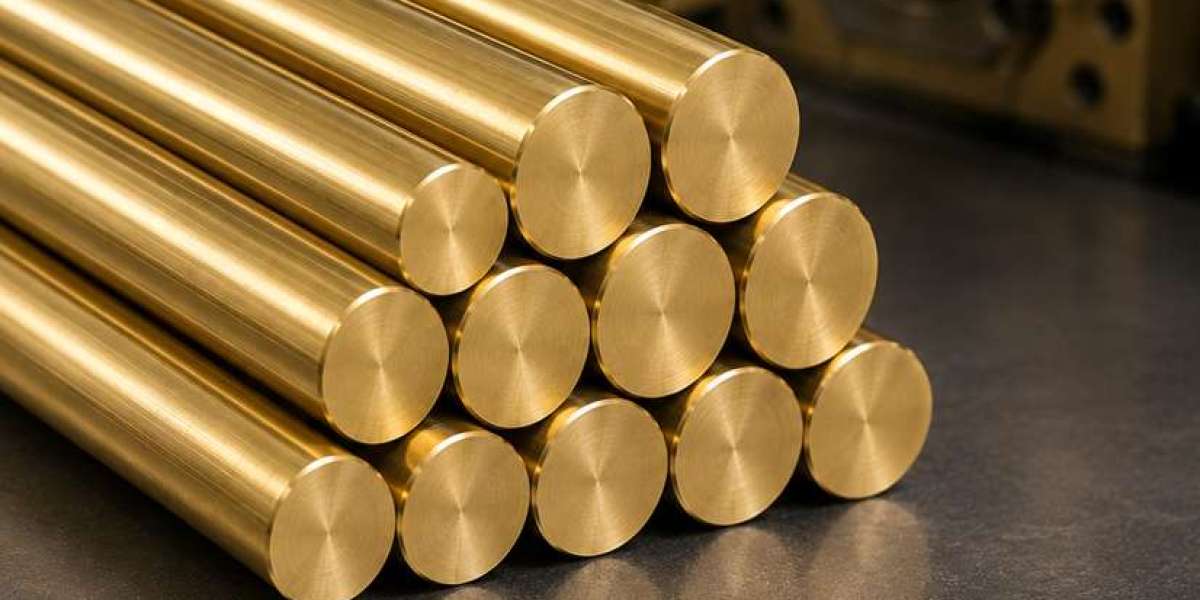

Brass is widely valued for its balance of strength, durability, corrosion resistance, and attractive appearance. However, not all brass products perform in the same way. Their quality depends on several factors, from the composition of the alloy to the manufacturing process and final finishing. Understanding these factors can help industries select materials that deliver reliable performance and a longer service life.
The quality of Brass Bars begins with their chemical composition. Brass is primarily made from copper and zinc, but the proportion of each element can significantly influence hardness, strength, machinability, and corrosion resistance. Additional elements such as lead, tin, aluminium, iron, or manganese may also be added to achieve specific properties. Even small variations in composition can affect how the material behaves during machining, forming, or service.
Alloy Composition and Material Selection
Choosing the right brass grade is important because different applications require different characteristics. A grade designed for easy machining may not offer the same strength or corrosion resistance as one intended for demanding mechanical applications. Manufacturers need to maintain consistent alloy proportions to ensure that every batch meets the required performance expectations.
Manufacturing Process
The manufacturing method also has a major effect on quality. Processes such as extrusion, drawing, forging, and machining influence the internal structure and dimensional accuracy of the material. Proper temperature control, pressure, and production speed help create a more uniform structure and reduce the risk of defects.
During manufacturing, poor process control can result in problems such as cracks, uneven surfaces, internal stresses, or inconsistent dimensions. Careful monitoring at each stage helps produce material that performs consistently under working conditions.
Heat Treatment and Mechanical Properties
Heat treatment can change the mechanical behaviour of brass. Depending on the alloy and intended application, controlled heating and cooling may be used to achieve a desired balance between hardness, strength, ductility, and machinability.
Incorrect heat treatment, however, can negatively affect the material. Excessive heating or improper cooling may lead to unwanted changes in hardness or internal structure. For this reason, temperature and processing time need to be carefully controlled.
Surface Finish and Dimensional Accuracy
A smooth and consistent surface is another important indicator of material quality. Surface imperfections can affect appearance, machining performance, sealing, and resistance to wear. Accurate dimensions are equally important, particularly when bars are used to manufacture precision components.
Modern inspection methods can help identify dimensional variations and surface defects before the material reaches the next stage of production. Consistent quality control reduces waste and supports dependable end-product performance.
Corrosion Resistance and Service Conditions
The environment in which brass will be used should also be considered. Exposure to moisture, chemicals, salt, heat, and other conditions can influence long-term performance. Selecting an appropriate brass grade and maintaining suitable surface quality can improve resistance to environmental damage.
Quality Control Matters
Ultimately, reliable brass performance comes from consistent control of materials, manufacturing, heat treatment, dimensions, and finishing. Regular testing and inspection help identify variations before they become larger problems.
When these factors are properly managed, brass can provide dependable performance across a wide range of applications. Paying attention to material quality from the beginning not only supports better manufacturing results but also helps ensure that finished components remain reliable throughout their working life.