
If you've ever driven white-knuckled through an Anchorage snowstorm with a feverish toddler strapped in the back seat, or waited three weeks for a pediatric appointment in a village that's only reachable by plane, you already understand why Alaska telehealth has become more than a convenience. For a lot of families here, it's the difference between getting care this afternoon and not getting care at all.
I've spent years watching how virtual pediatric visits actually play out for Alaska families — what works, what confuses parents the first time, and what questions come up over and over again. This guide answers those questions directly, the way I'd answer them if you called and asked me over the phone.
What Exactly Is Pediatric Telehealth, and How Is It Different From a Regular Doctor Visit?
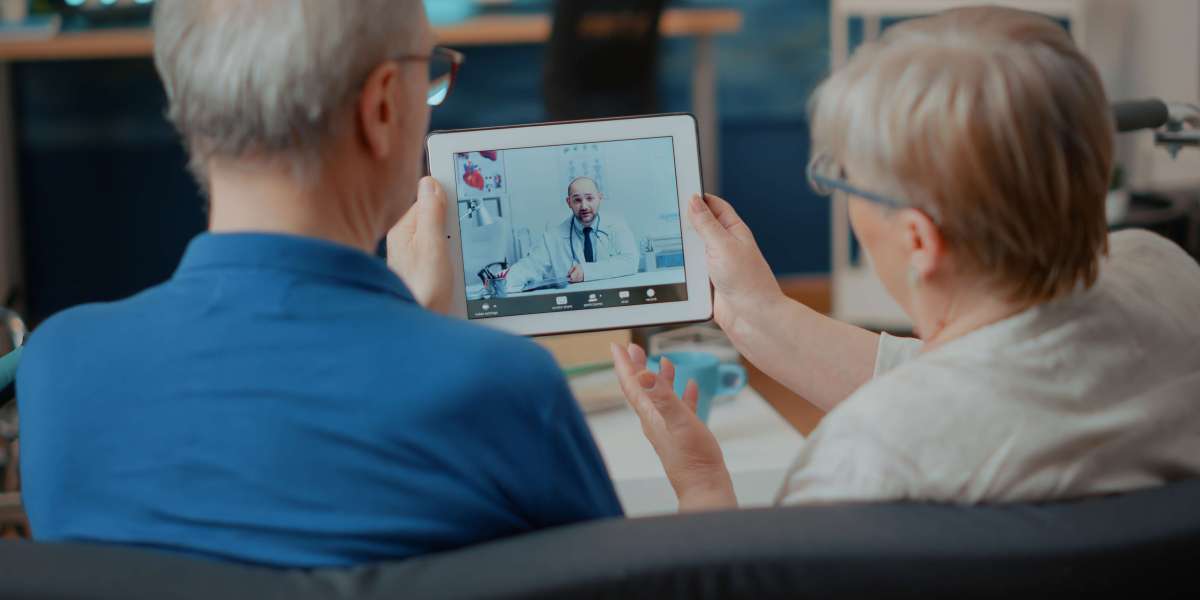
Pediatric telemedicine Alaska providers offer is essentially the same clinical visit you'd get in an exam room, minus the exam room. You connect with a licensed pediatric provider by video from your phone, tablet, or laptop. They look at your child, ask the same questions they'd ask in person, and walk you through checks you can do at home — checking for rashes near a window with good light, feeling for swollen glands, watching how your child breathes.
The provider still reviews your child's history, still documents the visit, and still sends prescriptions to your pharmacy if needed. What's missing is the drive, the waiting room full of other sick kids, and the babysitter scramble for your other children.
Can a Doctor Actually Tell What's Wrong Without Touching My Child?
This is the question almost every parent asks the first time, and it's a fair one.
For a wide range of common pediatric issues, yes. Trained providers are surprisingly good at reading visual and verbal cues on screen — labored breathing, skin color, energy level, how a child moves or reacts to being touched by a parent on camera. They'll often walk you through a hands-on check yourself, guiding you step by step.
Telehealth visits work particularly well for:
- Colds, coughs, and sore throats
- Ear pain
- Rashes and skin irritation
- Pink eye
- Fever management
- Behavioral or emotional concerns
- Medication refills for ongoing conditions
- Follow-ups after an in-person visit or ER trip
Where it doesn't work — and any honest provider will tell you this upfront — is true emergencies. Difficulty breathing, a serious allergic reaction, a head injury, or anything that feels life-threatening still means the ER or 911, not a video call. Telehealth is built to handle the huge middle ground of pediatric care that isn't an emergency but still needs a professional opinion.
Why Does Telehealth Matter So Much More in Alaska Than Other States?
Geography. That's really the whole answer, but it's worth unpacking.
Alaska isn't like most states where a pediatric specialist is a 30-minute drive away. Dozens of communities have no road connection to a hospital at all. Weather grounds flights for days at a time. Ferries get canceled. A trip to see a pediatrician in Anchorage or Juneau can mean missed work, a hotel stay, and a full day of travel for a 15-minute appointment.
Alaska telehealth closes that gap. A parent in a village off the road system can get their child evaluated the same day a symptom shows up, instead of waiting for a clinic flight or a break in the weather. That's not a luxury — for a lot of families, it's the only realistic way to get timely pediatric care.
What Kinds of Appointments Can Actually Happen Over Video?
More than most parents expect walking in. A few categories worth knowing:
Sick visits. The classic stuff — fever, cough, stomachache, a rash that popped up overnight. These make up the bulk of pediatric telehealth traffic.
Mental health check-ins. Teens especially tend to open up more easily from their own bedroom than in a clinical office. Anxiety, sleep trouble, mood changes, and school stress all come up regularly in virtual visits.
Chronic condition management. Kids managing asthma, allergies, or ADHD often do better with more frequent, lower-friction check-ins than with the hassle of quarterly in-person appointments.
Developmental questions. If you're wondering whether your toddler's speech or behavior is tracking normally, a virtual consult with a pediatric provider can give you real guidance and next steps, often faster than waiting for a specialist referral.
New parent support. Feeding questions, sleep issues, newborn concerns — these come up at 9pm, not during clinic hours, and telehealth is often the fastest way to get a real answer instead of a late-night internet search.
How Do I Get Ready for My Child's First Virtual Visit?
A little prep makes the whole thing go faster:
- Write down symptoms and when they started
- Have a thermometer ready if fever is part of the concern
- Note any medications given in the past 24–48 hours
- Sit in a well-lit room so the provider can actually see your child
- Bring a comfort item if your child is anxious about screens or strangers
On the tech side, you just need a device with a camera and microphone, a decent internet connection, and your child's basic health and insurance information handy. Most platforms take under an hour to set up the first time, and many offer same-day slots — genuinely useful when your kid wakes up sick on a school morning.
Is Alaska Telehealth Only for Emergencies, or Can I Use It Regularly?
Regularly, and honestly that's where it delivers the most value. Families who use telehealth for routine follow-ups, medication refills, and chronic condition check-ins tend to stay more consistent with their child's care overall, simply because the barrier to booking a visit is so much lower.
Think of it less as an emergency backup and more as your first call for anything that isn't a 911 situation. Sick visit on a Tuesday? Book it. Question about a rash before it gets worse? Book it. Follow-up after a specialist visit in Anchorage? No need to fly back.
The Bottom Line for Alaska Parents
Kids get sick on inconvenient schedules, and Alaska's geography doesn't make that any easier. Pediatric telemedicine Alaska families rely on isn't about replacing your child's regular doctor — it's about filling the gaps that distance, weather, and logistics create, so your child gets seen when they need to be seen, not whenever the weather cooperates.
If you're weighing whether to book a virtual visit for your child, the honest answer is: for most everyday pediatric concerns, it's worth trying before you assume you need to drive, fly, or wait it out.