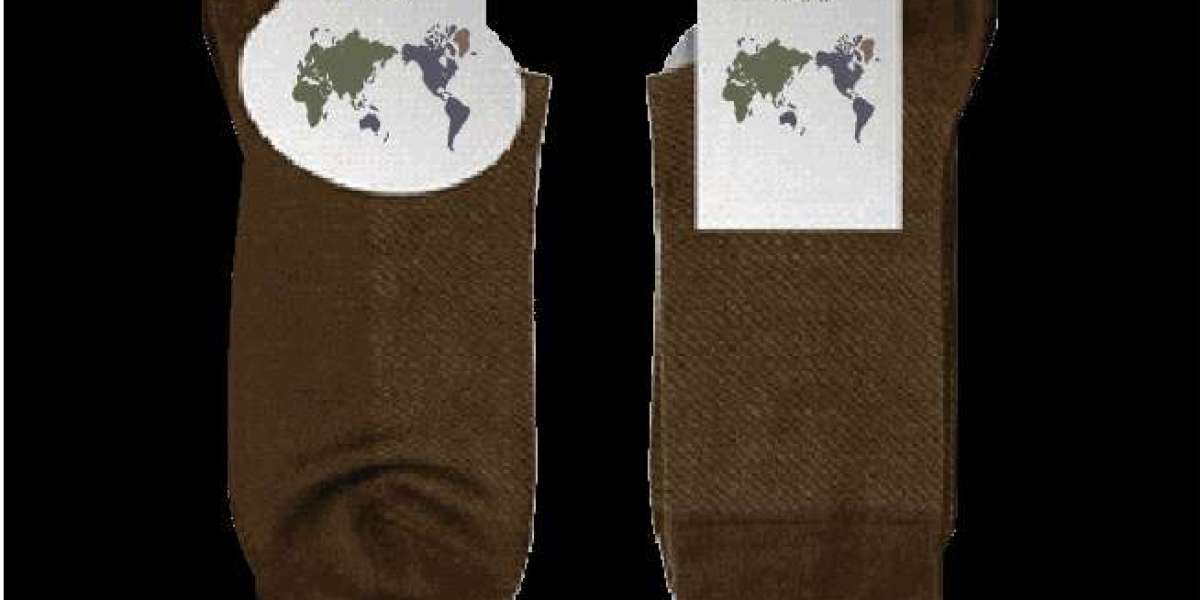

Changing shopper expectations have placed greater attention on packaging that keeps apparel neatly arranged while communicating useful information at a glance. Socks may occupy limited physical space, yet their presentation influences recognition, perceived value, and ease of selection. Compact formats are preferred where organized handling and attractive display are needed. The role of Custom Sock Packaging Sleeves is becoming increasingly relevant for collections that require distinctive presentation without unnecessary bulk. Within Universal Packaging, careful attention is given to material selection, dimensions, printing, and finishing so each format remains practical and visually appealing.
Neat Presentation For Faster Product Recognition
Clear arrangement creates a stronger first impression when several sock varieties appear together. Consistent dimensions keep pairs aligned and reduce visual disorder across shelves, displays, and shipping cartons. Product details remain easier to locate when information is positioned through a structured hierarchy. The presentation of the product is improved through balanced spacing, readable typography, and controlled decoration. A tidy format also reduces confusion between sizes, colours, and collections. Custom sock packaging sleeves provide an organized surface where product communication and physical arrangement are maintained together during merchandising and customer interaction.
Material Selection for Better Durability
Kraft board, paperboard, and recycled substrates are selected according to required firmness, surface texture, print compatibility, and handling conditions. Suitable thickness is established so that the sleeve remains stable without unnecessary weight. Protection of the product is maintained through dependable folds, secure attachment areas, and appropriate board strength. Surface characteristics are also considered because print reproduction and finishing depend heavily on substrate quality. Within Universal Packaging, material specifications are reviewed according to practical requirements so that finished sleeves remain dependable during storage, transportation, shelf placement, and repeated handling throughout their intended lifecycle.
Custom Sizing for Different Sock Collections
Different sock styles often require different dimensions because folding methods, lengths, thicknesses, and pair quantities vary considerably. Accurate measurements are established so unwanted movement remains limited without creating excessive pressure around the merchandise. The packaging of the product is arranged according to its folded profile, leaving sufficient room for graphics and essential information. Consistent measurements also simplify inventory counting and carton arrangement. Custom sock packaging sleeves provide flexibility where dimensions are adjusted according to individual collections, allowing better organization while reducing unnecessary material usage across production and distribution processes.
Printing That Strengthens Product Identity
High-quality printing gives apparel packaging a clear communication surface for logos, collection names, sizing, care information, and distinctive graphics. The identity of the product is reinforced when typography, colour combinations, and imagery follow a consistent visual direction. Important details remain easier to read when excessive decoration is avoided. The image of the brand is strengthened through accurate colour reproduction and dependable print clarity across multiple batches. Matte, gloss, or selective finishing may be incorporated according to the desired character. Controlled printing standards are maintained within Universal Packaging to support consistent presentation.
Product Visibility Without Excessive Exposure
Selective windows and cut-out sections create opportunities for customers to inspect fabric colour, texture, or pattern before purchase. The presentation of the product is improved when visible areas are balanced against structural requirements and printed information. Excessive openings may weaken the sleeve, while limited visibility may hide useful product characteristics. Thoughtful window placement keeps important visual features accessible without removing the overall sense of organization. Custom sock packaging sleeves provide flexibility for controlled exposure, allowing appearance and practicality to remain connected. This approach is particularly useful when tactile or visual product recognition influences purchasing decisions.
Practical Features for Easier Merchandising
Hanging slots, folded tabs, adhesive areas, perforations, and locking points are selected according to the intended display method. Secure attachment is maintained when fastening features are matched with board thickness and merchandise weight. Retail staff receive simpler handling when packaging remains predictable during stocking, sorting, and shelf replenishment. Product alignment is also maintained when unnecessary movement is reduced through suitable structural details. Custom sock packaging sleeves allow functional additions without requiring an oversized format. A practical design therefore keeps merchandising efficient while maintaining a polished appearance throughout routine store operations.
Key Features for Stronger Packaging Performance
Several elements deserve attention when a sleeve is planned for apparel presentation. Each feature should correspond with product dimensions, merchandising needs, and visual objectives.
Accurate sizing maintains a clean fit around folded pairs.
Durable board preserves structure during storage and transportation.
Clear printing keeps product details readable and recognizable.
Secure attachments maintain stable display positioning.
Controlled windows provide useful product visibility.
Finishing Choices for Distinctive Appearance
Matte coatings, gloss effects, embossing, foil details, and spot treatments create different visual and tactile impressions. Each option is selected according to substrate compatibility, budget, design direction, and expected handling. The perception of the brand is influenced through coordinated finishing rather than excessive decoration. Embossed elements may receive emphasis through tactile depth, while foil accents may be restricted to logos or collection names. A refined surface remains effective when readability is preserved. Custom sock packaging sleeves provide a useful area where distinctive finishing details are incorporated without disturbing practical structure.
Sustainable Options for Responsible Packaging
Recycled paperboard, kraft substrates, and efficient cutting layouts are considered when environmental responsibility forms part of packaging requirements. Accurate dimensions reduce unnecessary material consumption, while simplified structures limit avoidable production waste. The requirements of the brand are aligned with responsible choices when material claims correspond with actual substrate characteristics and disposal conditions. Lightweight construction may further reduce resource use during transportation. Within Universal Packaging, sustainability is considered alongside durability, print quality, structural performance, and practical merchandising so environmental priorities remain connected with the complete packaging lifecycle.
E-Commerce Presentation and Unboxing Appeal
Online shoppers often encounter packaging through product photography before the physical item arrives, making visual consistency important beyond physical stores. Clean shapes, readable graphics, and well-positioned branding remain effective when packaging appears in thumbnails, product pages, and social media imagery. A well-organized format also contributes to a more memorable opening experience after delivery. Custom sock packaging sleeves provide a defined visual frame around the merchandise, helping photography and physical presentation remain aligned. Flat construction may also support efficient shipment while preserving the intended appearance when the customer receives the order.
Production Accuracy for Consistent Results
Successful manufacturing depends on precise dimensions, reliable dielines, consistent folding, and accurate print placement throughout production. Prototype testing is completed before larger quantities are approved so structural or visual issues are identified early. Alignment is checked across folds, attachment points, windows, and printed information. The quality of the product is preserved when packaging faults that might affect presentation are corrected before final production. Custom sock packaging sleeves require coordinated specifications so the finished units remain uniform from the first batch through later replenishment orders, reducing unnecessary inconsistencies across collections.
Conclusion
A strong apparel packaging concept brings together neat presentation, suitable materials, accurate sizing, clear printing, practical attachments, controlled visibility, and thoughtful finishing. Each component contributes to a more organized customer experience without creating unnecessary structural complexity. The image of the brand is reinforced when every packaging unit follows a coherent visual direction and dependable production standard. Within Universal Packaging, these requirements are addressed through coordinated material and design planning. Custom sock packaging sleeves remain a versatile format for apparel collections seeking stronger product recognition, efficient handling, distinctive presentation, and consistent merchandising across physical and online sales channels.