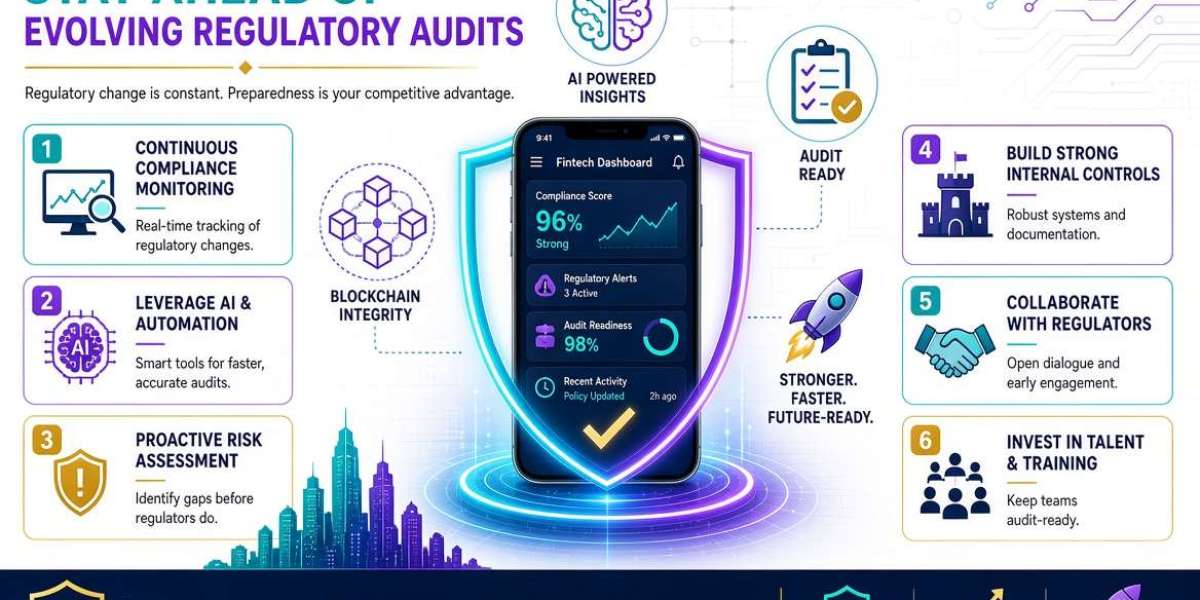

The fintech industry is changing quickly, and regulatory expectations are changing with it. As digital payments, electronic wallets, financial platforms, and technology-driven financial services continue to grow in Qatar, fintech businesses must maintain strong financial, operational, cybersecurity, and compliance controls.
For fintech companies, preparing for an audit should not be treated as a once-a-year activity. Regulatory requirements can affect financial reporting, information security, risk management, customer protection, transaction monitoring, internal controls, and business continuity.
This is where professional fintech audit services can provide valuable support. A structured audit approach helps fintech companies identify weaknesses, organize financial and compliance documentation, and prepare for regulatory scrutiny before issues become more difficult to address.
Qatar Central Bank has a dedicated FinTech Supervision Department responsible for regulating QCB-licensed fintech companies. Its responsibilities include onsite and offsite inspections, monitoring compliance with QCB instructions, identifying risks and violations, and analyzing financial data.
This guide explains how fintech businesses in Qatar can prepare for evolving regulatory audits and why engaging experienced fintech audit services in Qatar can be an important business decision.
Background: Understanding Regulatory Audits for Fintech Companies
A regulatory audit or examination evaluates whether a fintech business is operating according to applicable laws, regulations, policies, and internal controls.
Unlike a traditional financial audit that focuses primarily on financial statements, fintech audits can require attention to a broader range of areas. Depending on the company's activities and regulatory status, these areas may include financial reporting, technology controls, information security, transaction processing, risk management, customer protection, compliance procedures, and business continuity.
Qatar Central Bank states that its supervision activities include onsite and offsite examination and assessment of risks and verification of compliance with QCB instructions. Its FinTech Supervision Department specifically conducts inspections of licensed fintech companies.
For fintech businesses, this means audit readiness should be integrated into everyday operations rather than addressed only when an audit notice arrives.
Why Regulatory Audits Are Becoming More Important for Fintechs
1. Fintech Operations Depend on Technology
Traditional businesses may rely heavily on physical documentation and conventional accounting systems. Fintech companies often depend on cloud infrastructure, application programming interfaces, digital payment platforms, automated transaction processing, electronic customer onboarding, and real-time data.
This creates additional control requirements.
Qatar Central Bank's Payment Services Regulation includes requirements relating to information security governance, risk management, fraud controls, business continuity, disaster recovery, audit trails, accounting systems, and reconciliation processes.
An effective audit therefore needs to consider how technology affects financial and operational risks.
2. Regulatory Requirements Continue to Develop
Fintech is an emerging sector, so regulations and supervisory expectations can evolve as new technologies and business models enter the market.
Qatar Central Bank's FinTech Supervision Department is responsible for issuing and updating policies and regulations governing fintech services.
Fintech companies should therefore establish processes for monitoring regulatory developments and updating internal policies when requirements change.
3. Cybersecurity Is Closely Connected to Compliance
Financial technology companies handle sensitive customer and transaction information. Weak cybersecurity controls can create financial, operational, regulatory, and reputational risks.
QCB's information and cybersecurity regulation for payment service providers establishes security requirements designed to protect payment service providers against cyberattacks and security risks.
For this reason, audits for fintech businesses should consider the relationship between financial controls, technology controls, information security, and regulatory obligations.
Key Areas Covered by Fintech Audits
Financial Reporting and Accounting Controls
Accurate financial records are fundamental to audit readiness. Fintech companies should maintain complete accounting records, transaction documentation, bank reconciliations, supporting schedules, and appropriate records for significant balances.
Payment service requirements also refer to adequate information and accounting systems, proper reconciliation processes, accounting treatment, and reliable audit trails.
A professional fintech audit can help identify inconsistencies and control weaknesses that could affect financial reporting.
Internal Controls
Internal controls determine how transactions are approved, recorded, reviewed, and monitored.
Auditors may assess areas such as:
Authorization procedures
Segregation of duties
Payment approvals
Access controls
Reconciliation processes
Transaction monitoring
Exception reporting
Management oversight
Strong controls can make regulatory examinations more organized and provide management with greater visibility into operational risks.
Information Security
Technology risks are a major consideration for fintech companies.
QCB's payment services requirements include information security governance, risk management, protection of data confidentiality, integrity and availability, fraud detection mechanisms, security architecture, and incident reporting obligations.
Fintech companies should maintain appropriate policies, access controls, monitoring procedures, incident management processes, and supporting evidence.
Customer Protection
Fintech companies must also consider how their products and services affect customers.
Qatar Central Bank maintains a Customer Protection Department focused on fair and transparent treatment of customers, financial rights, complaints, and customer protection policies.
During compliance reviews, fintech businesses should be prepared to demonstrate how customer information, complaints, disclosures, and service processes are managed.
Business Continuity and Disaster Recovery
A fintech platform cannot afford to ignore operational resilience.
Payment service requirements include robust and tested business continuity and disaster recovery arrangements designed to support uninterrupted service.
Fintech companies should regularly review continuity plans, recovery procedures, backup arrangements, critical systems, and responsibilities during an operational disruption.
Benefits of Professional Fintech Audit Services
Engaging experienced fintech audit services can provide several practical advantages for businesses operating in Qatar.
Better Regulatory Preparedness
An independent review can identify areas where the company's controls, records, or procedures may require attention before a formal regulatory examination.
Improved Internal Controls
A structured audit can highlight weaknesses in authorization, reconciliation, access management, reporting, or documentation.
Stronger Financial Reporting
Independent review of financial records can help management identify inconsistencies and improve the reliability of financial information.
Better Risk Management
Fintech companies face financial, technology, cybersecurity, fraud, operational, and compliance risks. A focused audit can help management understand where these risks exist and where controls may need improvement.
Greater Management Visibility
Audit findings provide management with documented observations that can support corrective action and better decision-making.
Common Challenges Fintechs Face During Regulatory Audits
Rapid Business Growth
A fintech company may expand its customer base and transaction volume faster than its internal controls develop. Processes that worked for a small business may become inadequate as operations grow.
Incomplete Documentation
Policies may exist, but companies may not have sufficient evidence demonstrating that procedures are consistently followed.
Third-Party Dependencies
Fintech companies often rely on technology providers, payment processors, cloud platforms, and other external service providers. These relationships can introduce additional operational and compliance risks.
Changing Technology
New software, integrations, APIs, and automated processes can introduce risks that were not present in previous audit periods.
Reactive Compliance
Waiting until an audit is scheduled before reviewing compliance can create unnecessary pressure. Continuous audit readiness is a more practical approach.
Best Practices for Staying Ahead of Regulatory Audits
Conduct Periodic Internal Reviews
Do not wait for a regulator or external auditor to identify problems. Schedule periodic assessments of financial, operational, technology, and compliance controls.
Maintain an Updated Regulatory Register
Create a central record of applicable regulations, QCB requirements, internal policies, responsible employees, and review dates.
Keep Evidence Organized
Maintain policies, approvals, reconciliations, reports, system logs, contracts, risk assessments, incident records, and other supporting documentation in an organized manner.
Test Internal Controls Regularly
A policy is only useful when it operates effectively. Test important controls and document the results.
Review Technology and Security Controls
Assess user access, privileged accounts, system changes, cybersecurity procedures, backups, incident response, and third-party technology risks.
Track Corrective Actions
When an audit identifies an issue, assign responsibility, establish a target completion date, and retain evidence showing that corrective action was completed.
Work With Experienced Audit Professionals
Fintech businesses require audit professionals who understand both financial reporting and the technology-driven nature of financial services.
When selecting fintech audit services in Qatar, consider the provider's experience with fintech businesses, understanding of applicable regulatory requirements, audit methodology, technology risk knowledge, and ability to communicate findings clearly.
Example: Preparing a Qatar Fintech for an Audit
Consider a Qatar-based payment technology company preparing for a regulatory review.
The company begins with an internal assessment of its financial records, reconciliation procedures, customer transaction records, access controls, cybersecurity policies, fraud monitoring, business continuity arrangements, and regulatory documentation.
The audit team identifies several areas requiring improvement, including incomplete supporting documentation for certain controls and inconsistent evidence of periodic access reviews.
Management addresses these issues before the regulatory examination and establishes a recurring control-testing process.
This approach allows the company to move from reactive compliance toward continuous audit readiness.
How Professional Fintech Audit Services Can Help
Preparing for regulatory audits can become complicated when financial, technology, and compliance requirements overlap.
Professional fintech audit services can help businesses assess their current controls, identify potential weaknesses, review financial and operational documentation, evaluate audit readiness, and develop practical corrective actions.
For companies operating under Qatar's financial technology regulatory framework, this support can be particularly valuable because QCB supervision includes both onsite and offsite activities and focuses on compliance, risk identification, financial data, and regulatory requirements.
Conclusion
Regulatory audits are an important part of maintaining trust, compliance, and operational stability in the fintech sector. As technology-driven financial services continue to develop in Qatar, fintech companies need reliable financial records, effective internal controls, appropriate cybersecurity measures, strong risk management, and well-organized compliance documentation.
The best time to prepare for a regulatory audit is before one is scheduled.
Professional fintech audit services in Qatar can help your business identify weaknesses, improve audit readiness, strengthen internal controls, and address potential compliance concerns through a structured review process.
If your fintech company is preparing for a regulatory examination, launching a new financial technology service, expanding operations, or reviewing its existing compliance framework, contact an experienced audit professional today. Request a consultation for tailored audits for fintech businesses in Qatar and take practical steps toward stronger regulatory readiness.