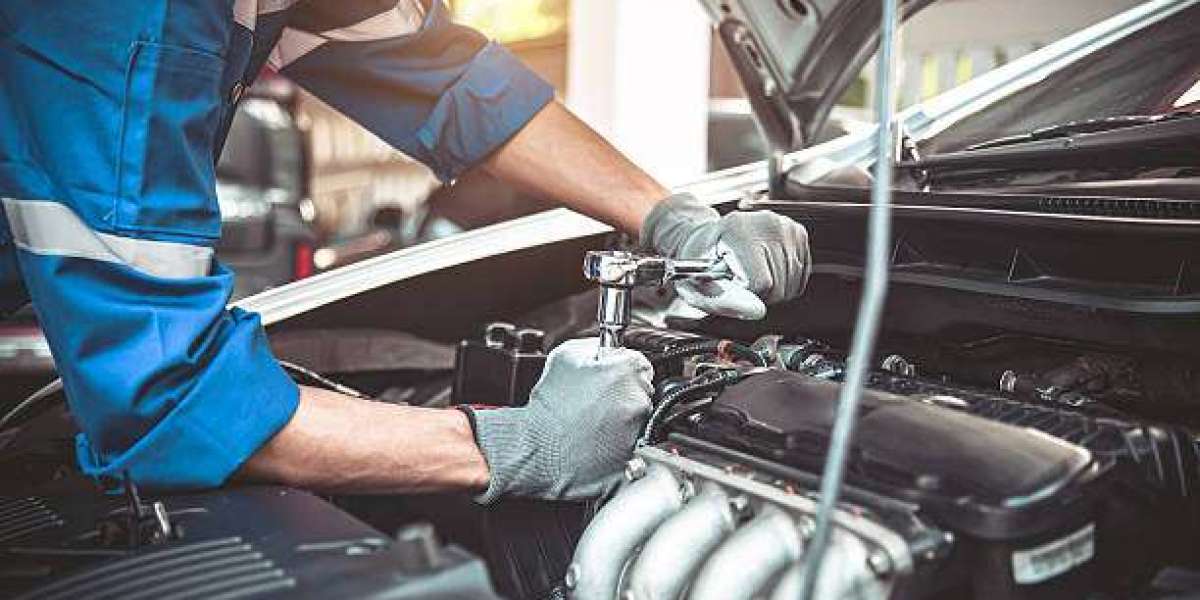

Something feels a little off. Maybe the steering wheel shudders at highway speed, or you heard a noise last week that you've been hoping would just go away. Most drivers do exactly that: hope. And honestly, it's understandable. Nobody wants a repair bill. But the cars that end up needing the most expensive fixes are almost always the ones where the driver waited too long on something small. If you're in the area and you've been putting it off, finding reliable Auto Repair in Iowa City IA sooner rather than later can be the difference between a $200 fix and a $2,000 one. This article walks through the most common warning signs, what they usually mean, and why acting fast actually saves you money.
Dashboard Warning Lights You Should Take Seriously
Your car's dashboard is basically trying to talk to you. Most people see a warning light flicker on and think "I'll deal with that later." That's a mistake. The check engine light, for example, can mean anything from a loose gas cap to a failing catalytic converter. Not the same urgency, sure, but you won't know which one it is until someone plugs in a diagnostic scanner.
The oil pressure light is one you should never ignore, not even for a day. If that one comes on while you're driving, pull over. Running an engine with low oil pressure can destroy it in minutes. The temperature warning is similar. Overheating even once can warp a cylinder head, and that repair gets expensive fast. Battery and brake warning lights also deserve immediate attention, not a "maybe this weekend" response.
A good rule of thumb: any light that stays on consistently, rather than flashing briefly at startup, means something needs a look. You can check what individual warning symbols mean by referencing the automobile dashboard instruments guide on Wikipedia, but a real diagnosis still needs a mechanic with a scanner.
Unusual Noises and What They're Telling You
Cars make noise. But there's normal road noise and then there's the kind of sound that makes your stomach drop a little. Learning to tell the difference is genuinely useful.
Grinding when you brake is one of the clearest signals out there. It usually means your brake pads are completely worn through and metal is grinding against metal. At that point you're not just replacing pads anymore, you're likely looking at rotors too. Catch it earlier, when you hear a soft squeal instead of a grind, and you're only buying pads. A knocking sound from the engine, especially one that gets louder as you accelerate, often points to worn rod bearings. That's a serious internal engine problem. Don't wait on it.
Squealing belts, clicking when you turn, humming that changes with your speed, rattling underneath when you go over bumps. All of these have specific causes. A squealing belt might just need tension adjusted, or it might be days away from snapping entirely. A clicking sound when you turn often means a CV joint is going bad. These aren't always catastrophic right now, but they will be if you leave them long enough.
Changes in How Your Car Drives
This one's subtle but really worth paying attention to. Your car should drive the same way it always has. When something changes in how it feels, that's your cue.
If the car pulls to one side without you steering that way, it could be something as simple as uneven tire pressure, or it could be a wheel alignment problem, worn suspension components, or even a brake issue on one side. A vibrating steering wheel at certain speeds usually points to tire balance or a bent wheel. Sluggish acceleration that wasn't there before might mean a clogged fuel filter, a failing fuel pump, or ignition problems. None of those are things that fix themselves.
If you're in Iowa City and something feels off in how the car handles, an Auto Repair Shop in Iowa City IA can run through a quick inspection and usually spot the cause pretty fast. Most shops won't charge you just to take a look. It's worth the 20 minutes.
Fluid Leaks Under the Car
Found a puddle under your car? Don't just wipe it up and move on. The color and location tell you a lot.
Dark brown or black, usually under the engine, is motor oil. Light brown or amber that smells slightly burnt could be transmission fluid or also motor oil depending on age. Bright green, orange, or pink liquid with a sweet smell is coolant, and a coolant leak means your engine is at risk of overheating. Clear water near the passenger side after running the AC is totally normal, by the way. That's just condensation. But bright red fluid near the front of the car is brake fluid or power steering fluid, and either one is serious. Brake fluid loss means your stopping ability is compromised. That's not a wait-and-see situation.
Harris Boyz Auto Repair Shop is one option people in the area use for exactly this kind of diagnosis, whether it's tracking down a slow leak or figuring out why the transmission is slipping. Having a shop you trust makes these calls a lot easier.
Why Waiting Always Costs More
Here's the pattern I've seen play out a lot. Someone notices a small shimmy in the wheel. They wait. A few months later the tire wears unevenly because the alignment was off. Now they need new tires AND an alignment instead of just an alignment. That's the story with almost every car repair that gets delayed.
Brake pads that squeal cost maybe $150 to replace. Wait until they grind and you're replacing rotors too, now you're at $400 or more. An engine that knocks softly might need a relatively minor fix. Ignore it for two more months and you might be looking at an engine replacement. The math on acting early almost always wins.
Finding a trustworthy Auto Repair Shop in Iowa City IA before you're in crisis mode is the smarter play. You get to make a calm decision instead of a desperate one. And you're not getting towed, which is its own hassle and expense.
Auto Repair in Iowa City IA doesn't have to be stressful if you catch things early. The whole point of paying attention to your car is so you stay in control of the situation, not the other way around.
Frequently Asked Questions
How do I know if a warning light is urgent or can wait a day or two?
Lights related to oil pressure, engine temperature, or brakes should be treated as urgent, meaning pull over or head straight to a shop. A check engine light that's steady (not flashing) usually gives you a short window to get it checked, but don't stretch that into weeks. A flashing check engine light means stop driving and call a mechanic.
Is it okay to drive with a small fluid leak?
Depends on the fluid. A slow coolant or oil leak might give you a few days if you're monitoring levels closely, but brake fluid is a hard no. Any loss of brake fluid affects your ability to stop, and that's a safety issue you can't gamble with. Get it looked at the same day.
My car makes a noise but only sometimes. Does that still need attention?
Yes, honestly. Intermittent noises are sometimes harder to diagnose, but they're still telling you something. A noise that comes and goes is usually a component that's starting to fail but hasn't fully gone yet. That's actually a good time to catch it, before it becomes a constant noise or a breakdown on the side of the road.
How often should I be getting my car inspected even if nothing seems wrong?
Most mechanics suggest a general inspection once a year at minimum, or every 12,000 miles or so. Oil changes are a good opportunity to have someone take a quick look underneath. Catching worn parts before they fail is a lot cheaper than replacing what they damage on the way out.
What's the first thing I should tell a mechanic when I bring my car in?
Be as specific as you can. When did the noise or symptom start? Does it happen all the time or only in certain conditions, like when the car is cold, or only when turning? The more detail you give, the faster they can find the problem. "Something feels weird" is a starting point, but "there's a grinding sound when I brake at highway speeds" gets you a diagnosis a lot quicker.