
A business owner once signed a vendor contract without reading the auto-renewal clause closely. Eighteen months later, she was locked into a second full year at a rate that had quietly increased 12%, with a cancellation window she’d already missed by three weeks. One overlooked paragraph cost her tens of thousands of dollars.
That story repeats constantly, in every industry, because contracts are dense and people are busy. A structured pre-signature contract review checklist with AI can run through in minutes closes that gap. Here are the nine points worth checking on absolutely every agreement before signature.
1. Parties and definitions. Confirm the legal names match exactly across every reference in the document. Mismatched entity names have derailed enforcement in real disputes.
2. Scope of work or deliverables. Vague scope language is where disputes are born. Every deliverable should be specific enough that both sides would describe “done” the same way.
3. Payment terms and penalties. Check the exact due dates, late fees, and whether interest compounds. Small percentages sound harmless until you calculate them over an 18-month contract.
4. Termination and renewal clauses. This is the single most commonly overlooked section. Know your notice period, and calendar it immediately after signing, not when you remember six months later.
5. Liability caps and indemnification. Understand exactly what you’re on the hook for if something goes wrong, and whether that exposure is proportional to the size of the deal.
6. Confidentiality obligations. Check both directions. What can you not disclose, and what is the other party restricted from sharing about you?
7. Dispute resolution mechanism. Arbitration versus litigation, and in which jurisdiction, matters more than most people realize until they’re actually in a dispute and discover the venue is inconvenient or costly.
8. Force majeure language. Post-2020, this clause got a lot more scrutiny, and rightly so. Know what events excuse performance and what doesn’t.
9. Assignment and change of control. Can either party transfer the contract to a new owner without consent? This matters enormously in acquisitions and vendor consolidations.
Beyond these nine, context matters just as much as content. The same clause that’s perfectly reasonable in a $5,000 vendor agreement might be genuinely dangerous in a $500,000 enterprise contract. Scale your scrutiny to the size and duration of the commitment. A one-page order form for office supplies doesn’t need the same nine-point deep dive as a five-year software licensing agreement that auto-renews annually and locks in pricing for your entire operation.
It also helps to think about who else in your organization should see the flagged issues before signature. Finance should weigh in on payment terms and penalties. Operations should confirm the scope of work actually matches what was promised verbally during negotiations. Too many bad contracts get signed because the person reviewing the legal language wasn’t the same person who understood the operational reality of what was being agreed to. A structured checklist, shared across departments, closes that communication gap.
Timing matters too. The best moment to run through these nine points isn’t the night before signature, when deadline pressure makes it tempting to skim. It’s as soon as a draft first lands in your inbox, while there’s still room to negotiate changes. Flagging a problematic liability cap on day one gives you leverage to push back. Flagging it the morning of signing gives you a choice between an uncomfortable delay or accepting terms you already know are risky, and neither option is one you want to be facing under a hard deadline.
Running through nine points manually, on every contract, for every deal, is exactly the kind of consistent discipline that erodes under deadline pressure. That’s precisely where AI contract analysis earns its value. It doesn’t get tired, doesn’t skip section seven because it’s Friday afternoon, and flags exactly which of these nine points deserves closer human attention.
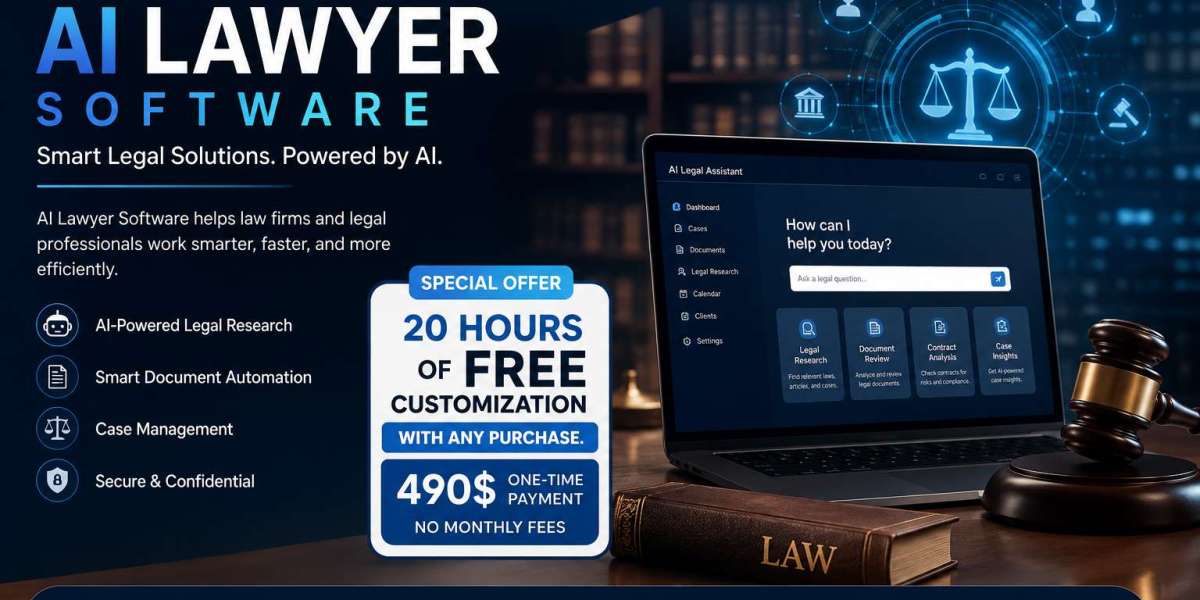
Zipprr AI Lawyer runs this kind of structured review automatically, surfacing the sections that carry the most risk so your final read focuses where it matters most. Instead of hoping you remembered to check the renewal clause, you get a flag confirming whether it’s there, what the notice period is, and whether it deviates from standard terms.
The deeper lesson here isn’t really about checklists. It’s about consistency. The vendor contract that seems routine is exactly the one people rush through, and exactly the one where costly clauses hide in plain sight. A due diligence checklist only protects you if it’s applied every single time, not just on the deals that feel high-stakes.
Before your next signature, run the document through this pre-signature contract review checklist with AI workflow, either manually or with AI-assisted review. The ten minutes it takes is nothing compared to the cost of discovering a bad clause after you’re already locked in.
FAQ
1. What’s the most commonly overlooked contract clause? Termination and renewal terms, especially notice periods for auto-renewing contracts, get missed constantly and cause real financial harm.
2. Can AI catch every risky clause in a contract? AI is highly effective at flagging deviations from standard terms, but a licensed attorney should always review flagged issues before signing.
3. How long should a thorough contract review take? With AI-assisted first-pass flagging, most standard contracts can be reviewed in well under an hour, versus several hours manually.
4. What is a liability cap and why does it matter? It limits how much one party owes the other if something goes wrong. Understanding this number helps you assess real financial exposure.
5. Should I always negotiate the dispute resolution clause? It’s worth reviewing closely, since arbitration versus litigation and jurisdiction choice significantly affect cost and convenience if a dispute arises.
6. Is this checklist useful for personal contracts too? Yes, the same nine points apply to leases, service agreements, and freelance contracts, not just corporate deals.
7. How does Zipprr AI Lawyer help with this checklist? It automatically scans documents against these risk categories and flags which sections deserve closer human review before signature.
8. What should I do if a clause looks unusual compared to standard terms? Flag it for negotiation or legal review before signing. Unusual language is often unusual for a reason worth understanding.
CTA
Don’t sign your next contract on hope alone. Run it through this pre-signature contract review checklist with AI with Zipprr AI Lawyer and check all nine points before you put pen to paper.