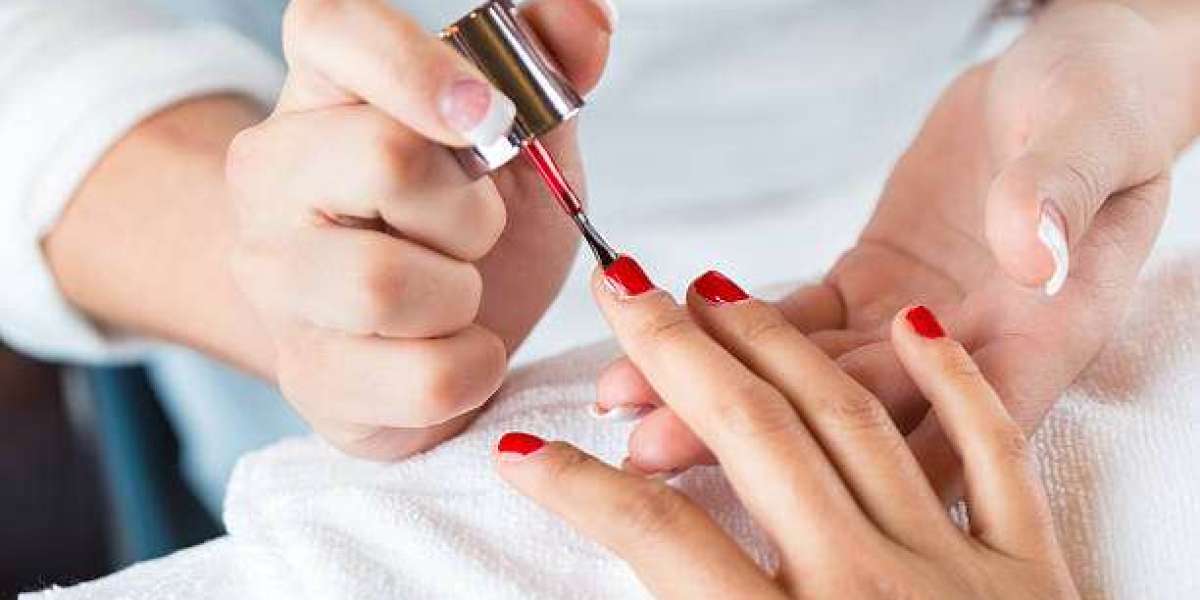

Most people guess. They book their next appointment based on when it feels convenient, or when their nails look bad enough that they can't ignore it anymore. But guessing usually means you're either going too often and stressing your nails and hair out, or waiting so long that your last treatment has completely worn off and you're basically starting from scratch. There's a better way to think about this. If you visit a Salon in Mandeville, LA regularly, understanding the right timing for each service can save you money, protect your hair and nails, and honestly just make every appointment feel more worth it.
Nail Services: Manicures, Pedicures, and Gel Fills
Nails grow at different speeds for different people, but the average is about three to four millimeters per month. That's your baseline for figuring out timing. Regular polish manicures typically hold up well for about one to two weeks before chipping becomes a real problem. So if you're getting a traditional manicure, plan for every ten to fourteen days.
Gel manicures are a different story. Gel holds longer, usually two to three weeks before lifting or growing out enough to look messy. Gel fills specifically, where the technician fills in the grown-out area near the cuticle, work best on a three-week cycle for most people. Going longer than four weeks puts stress on the nail plate because the weight distribution gets uneven. Not great long-term.
Pedicures are a bit more forgiving. Feet don't take the same beating hands do in terms of daily use, and toenails grow slower. Every four to six weeks is a solid schedule for most people. In summer, when sandals are out and feet are on display, bumping that up to every three to four weeks makes sense.
Hair Services and Why One Schedule Doesn't Fit Everyone
Hair is where timing gets more personal. A lot depends on your hair type, texture, color history, and what kind of service you're getting. Trims are probably the most straightforward. Most stylists suggest every six to eight weeks for people trying to grow their hair out, and every four to six weeks if you're maintaining a short style. Waiting too long between trims doesn't make hair grow faster. It just means more split ends to cut off later.
Color is trickier. If you're doing a full color or highlights, most people need a touch-up every six to eight weeks before roots become too noticeable. But if you're going for a lived-in balayage look, you might stretch that to ten or twelve weeks without it looking off. The science behind hair coloring matters here too, because chemical treatments affect the hair's protein structure and too-frequent processing can cause real damage over time.
Keratin treatments and smoothing services last longer, typically three to five months depending on your hair texture and how often you wash it. Coarse or curly hair tends to need them more often than fine hair. And if you're using sulfate shampoos, expect the treatment to fade faster.
Signs You Should Go Back Sooner
Sometimes your body tells you it's time before your calendar does. Watch for these:
Nails lifting at the edges or near the cuticle
Visible regrowth at the root line that bothers you when you look in the mirror
Gel that's started to peel or chip, which can pull layers off your natural nail if you pick at it
Hair that's lost its shape and won't style the way it used to
Dry, cracked heels or cuticles that a basic moisturizer isn't fixing
Color that's faded to a brassy or dull tone
Any of these is a sign that waiting until your next scheduled appointment might cost you more in the long run. Peeling gel especially. Picking at it is one of the fastest ways to thin out your natural nail plate.
What Happens When You Skip Too Many Appointments
Skipping once in a while is fine. Life happens. But making a habit of it causes real problems that build up slowly. With nails, extended gaps between gel services let moisture get under the product, which creates a perfect spot for bacteria and fungus to grow. That's not a scare tactic. It's just what happens when nails aren't maintained properly.
For hair, skipping color appointments too often means your stylist has to use more product and more processing time to get you back to where you want to be. That's harder on your hair and usually costs more. And with skin treatments like facials, the benefits are largely cumulative. One facial every six months does a lot less than one every four to six weeks, because the skin cycle runs about twenty-eight days and regular treatments work with that rhythm.
If you're a client at a Local Salon in Mandeville, LA, ask your stylist or nail tech to write down the recommended return window at the end of your appointment. Most good technicians will do this without being asked, but it helps to have it in writing so you can actually book it before you leave.
A Simple Seasonal Salon Schedule
Planning by season makes budgeting easier and keeps your routine consistent. Here's a rough framework most people can adapt.
Spring: This is a good time to do a reset. Book a deep conditioning treatment if your hair took a beating over winter. Swap out dark nail colors for lighter ones and get a fresh pedicure as sandal season approaches. If you've been putting off a haircut, spring is the time.
Summer: Frequency goes up. Sun, chlorine, and saltwater are rough on color-treated hair, so plan for a toning or gloss treatment mid-season. Pedicures every three to four weeks make sense if you're wearing open shoes constantly. DeVibe Nail Lounge & Salon is one example of a place where clients can bundle services to make summer upkeep more manageable without booking five separate appointments.
Fall: Color refresh time. A lot of people shift to warmer tones, and it's a good moment to reassess your hair health after summer damage. Nail appointments can return to a standard three-to-four-week cycle.
Winter: Skin and nails tend to dry out more. Bump up your pedicure frequency slightly if you notice cracking, and consider adding a cuticle treatment to your manicure. Hair might need a deep conditioning mask treatment every month or so instead of just during your regular trim visit.
Booking ahead by season also means you're less likely to get squeezed out when your preferred technician fills up around the holidays. That's a real problem at any busy Local Salon in Mandeville, LA, especially in November and December.
Frequently Asked Questions
How often should I get a gel manicure refill?
Most nail techs recommend coming back every two to three weeks. Going past four weeks puts uneven pressure on the nail plate and makes lifting more likely, which can damage the natural nail underneath.
Can I get a haircut more often than every six weeks without it hurting growth?
Yes. Trimming doesn't slow growth at all. It removes split ends, which actually helps hair look longer and healthier over time. If your style needs it, every four weeks is completely fine.
What's the minimum time I should wait between chemical hair treatments?
Generally, you want at least eight weeks between full chemical services like color, relaxers, or perms. Your stylist might say longer depending on how your hair responded last time. Rushing it causes breakage.
How do I know if I'm visiting the salon too often?
If your nails feel thin and weak, or your hair feels dry and brittle even with good products at home, over-processing might be the issue. Talk honestly with your tech or stylist about what you're noticing. They'd rather adjust the schedule than lose you as a client.
Is a Salon in Mandeville, LA different from salons in bigger cities in terms of services offered?
Not really. Most full-service salons in the area offer the same range of nail, hair, and skin services you'd find anywhere. The difference is usually in wait times and pricing, and smaller-market salons often have more flexibility to work with your schedule.
Getting your timing right doesn't require a complicated system. Know your services, pay attention to how your nails and hair are responding between visits, and plan ahead by season. That's pretty much it.