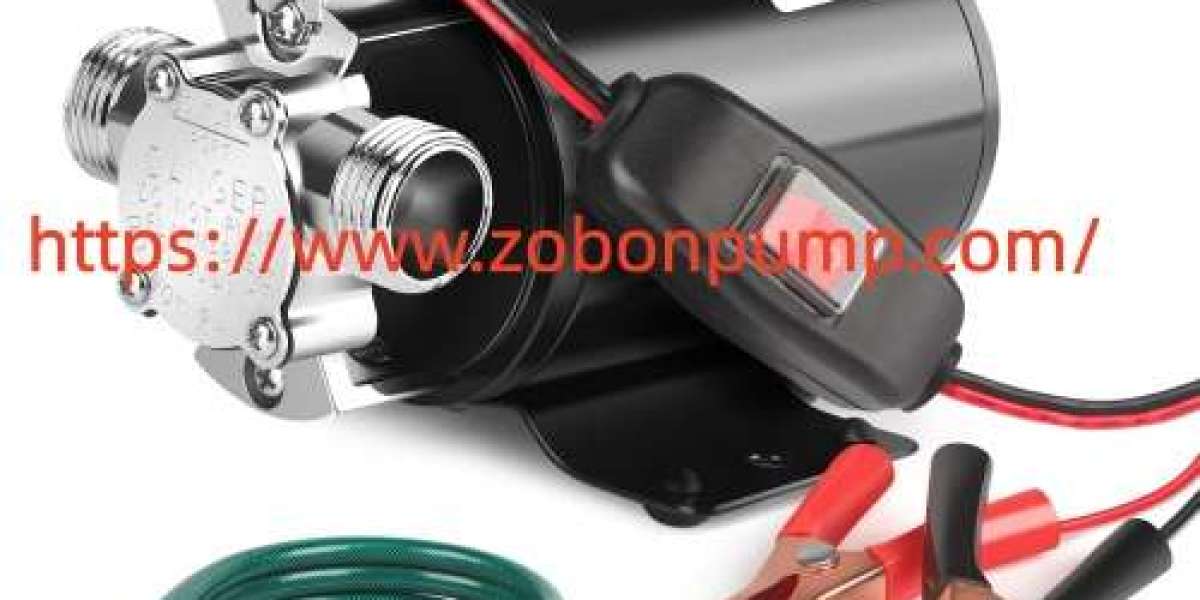

Portable Water Pump selection should start with the actual job rather than simply choosing a unit based on motor power or appearance. Buyers may need equipment for draining a flooded area, moving water between tanks, supporting irrigation, cleaning equipment, or handling temporary water transfer. Each task can require a different combination of flow, head, hose arrangement, power source, and operating time. Pump selection guidance commonly recommends identifying the required flow and total head before comparing available equipment.
Flow rate is one of the key specifications to check. It describes how much water the equipment can move within a given period. A buyer who needs to empty a large tank within a specific time will have different requirements from someone transferring a smaller volume between containers.
It is useful to estimate the normal working flow rather than focusing only on a maximum figure. Actual output can change according to lifting height, pipe or hose resistance, fittings, valves, and other conditions. A published maximum flow value may be measured under conditions that are different from the buyers actual installation.
Head is another important factor. It relates to the energy required to move water through the system and overcome elevation and resistance. If water needs to travel upward or through a long hose, the system can require additional head. The U.S. Department of Energy notes that piping, valves, fittings, and process equipment can contribute to head losses that should be considered during selection.
Buyers should therefore measure the vertical distance between the water source and discharge point. They should also consider the approximate length and diameter of the hose or pipe. A long discharge route with several bends can behave differently from a short and direct connection.
The water source itself should also be reviewed. Clean water from a storage tank may create different requirements from water collected in a drainage pit, pond, construction area, or outdoor container. Suspended particles, sediment, debris, and other materials can influence which equipment configuration is appropriate.
This is especially important when the equipment will be used for drainage. Buyers should describe the actual water condition and identify whether particles or solids are present. If the liquid contains material that could interfere with the equipment, the manufacturer should know this before recommending a configuration.
Power supply is another practical point that is sometimes overlooked. Electric units require confirmation of voltage, frequency, phase, cable arrangement, and available power at the installation location. Other applications may require a different power arrangement depending on where the equipment will be used.
For applications involving a pressure boosting requirement, a Water Peripheral Booster Pump may be considered when the water source and system conditions match the equipment design. The actual pressure requirement, flow demand, pipe arrangement, and operating schedule should still be reviewed before making a decision.
Portability also involves more than overall dimensions. Buyers should consider equipment weight, carrying handles, connection locations, cable length, hose compatibility, and the amount of space required during operation. A unit that needs to be moved frequently should be practical for the people who will handle it.
Storage is another consideration for temporary equipment. After use, the unit may need to be cleaned, drained, protected from moisture, and stored in a suitable location. Buyers who expect frequent seasonal use may want to discuss storage and maintenance requirements with the manufacturer before purchasing.
Operating time should also be considered. A unit used for a short drainage task may have different requirements from one expected to operate for several hours each day. Duty cycle, cooling conditions, motor protection, and the surrounding environment can all affect the suitability of a particular configuration.
The installation environment matters as well. Outdoor applications may expose equipment to rain, dust, mud, temperature changes, or uneven ground. Indoor installations can have different ventilation and access requirements. Providing these details allows the manufacturer to consider the working environment when discussing suitable equipment.
Another common mistake is choosing a unit based on one specification while ignoring the rest of the system. A high flow figure does not automatically mean the equipment will provide that flow at the required lifting height. Similarly, a large motor does not by itself define the actual operating point. Flow and head need to be considered together with the system conditions.
Buyers should also ask for the relevant performance information before placing an order. A pump curve can help show the relationship between flow and head for a particular configuration. Comparing this information with the expected operating point gives both the buyer and manufacturer a clearer basis for discussion.
Zobonpump works with customers looking for pumping equipment for different water handling situations. Sharing details such as required flow, lifting height, water condition, hose length, power supply, working hours, and installation environment can help create a more suitable product specification.
A careful purchasing process does not have to be complicated. Start with the actual task, calculate the required delivery, check the lifting distance, review the water condition, confirm the available power, and consider how often the equipment will be moved and maintained. These steps can make communication with a manufacturer much clearer.
For buyers comparing equipment for temporary water transfer, drainage, irrigation, or other applications, Zobonpump provides product options for different working conditions. You can review the available range and product information at https://www.zobonpump.com/product/ then discuss your specific operating requirements with the manufacturer before selecting a configuration.