
Botox and dermal fillers have become fairly mainstream topics of conversation, but there's still a lot of mixing-up between the two, along with plenty of misconceptions about what these treatments actually do. If you're considering your first appointment, or just want to understand the basics before you bring it up at a consultation, here's a clear, honest overview.
What Are Medical Injectables?
"Medical injectables" is a broad term covering a category of cosmetic treatments administered by injection, most commonly neuromodulators (like Botox) and dermal fillers. These are prescription treatments, meaning they should only be administered by a licensed and properly trained medical provider, typically after a consultation to assess your goals, health history, and facial anatomy.
Because these are medical treatments, not simple spa add-ons, it's worth taking the selection of your provider seriously, the same way you would with any other medical procedure.
Neuromodulators (Botox and Similar Treatments)
Neuromodulators, most commonly known by the brand name Botox, work by temporarily relaxing specific facial muscles. This is typically used to soften the appearance of dynamic wrinkles, the lines that form from repeated facial movements, like the ones around the forehead, between the eyebrows, or at the outer corners of the eyes.
The effects are temporary, generally lasting a few months before gradually wearing off, which is why many people return for maintenance treatments a few times a year. Results aren't instant either; it typically takes several days to see the full effect after a session.
Dermal Fillers
Dermal fillers work differently. Instead of relaxing muscles, they add volume beneath the skin, often using hyaluronic acid, a substance the body naturally produces. Fillers are commonly used to address volume loss in areas like the cheeks, lips, or under the eyes, or to soften the appearance of static wrinkles, the lines that are visible even when your face is at rest.
Like neuromodulators, filler results are temporary, though they tend to last longer, often ranging from several months to over a year, depending on the specific product used and the treated area.
What a Consultation Typically Involves
Before any injectable treatment, a proper consultation should include:
A discussion of your goals. A good provider will ask what you're hoping to achieve and whether your expectations are realistic for the treatment being considered.
A review of your health history. Certain medications, allergies, or health conditions can affect whether injectables are safe for you.
An honest conversation about options. This includes discussing which treatment, if any, actually fits your concern, since not every issue is best addressed with an injectable.
A clear explanation of risks and what to expect. This should cover potential side effects, how long results typically last, and what recovery looks like.
If a provider skips this kind of conversation and moves straight to treatment, that's worth treating as a red flag.
What to Expect During and After Treatment
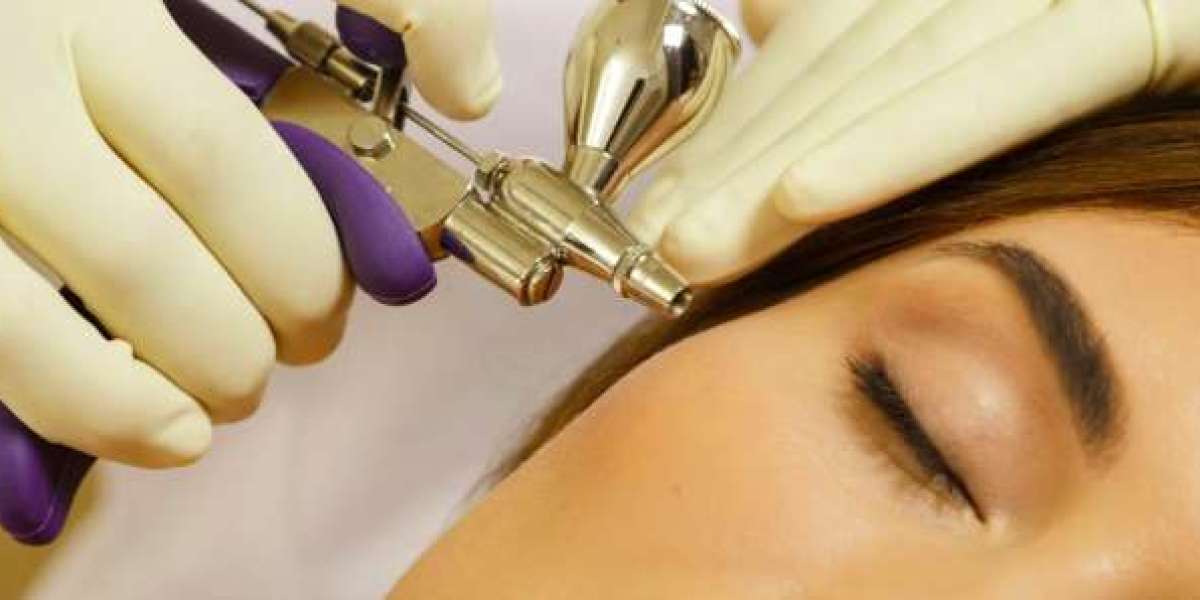
Most injectable appointments are relatively quick, often taking well under an hour depending on the treatment and number of areas involved. A topical numbing cream is sometimes used to help with comfort. Afterward, it's common to experience mild swelling, redness, or bruising at the injection sites, which usually resolves within a few days.
Providers typically give specific aftercare guidance, such as avoiding strenuous exercise or lying flat for a certain period after treatment, so it's important to follow those instructions closely.
Setting Realistic Expectations
It's important to be honest about what injectables can and can't do. These are cosmetic treatments aimed at softening the appearance of certain signs of aging, not a guaranteed transformation, and results vary from person to person based on individual anatomy, skin, and how your body responds to treatment. A responsible provider won't promise a specific, guaranteed outcome, and will instead talk with you about a realistic range of results.
Who Might Want to Ask Questions First
Injectable treatments aren't right for everyone. People who are pregnant or breastfeeding, have certain neurological or muscular conditions, are allergic to any of the treatment ingredients, or are currently dealing with an active skin infection near the treatment area should discuss this openly with their provider. This is exactly why a thorough consultation matters, so any concerns can be addressed before treatment, not after.
Choosing a Qualified Provider
Because injectables are medical treatments, choosing the right provider is one of the most important decisions in this whole process. A few things worth confirming before booking:
- Whether the person performing the injection is a licensed medical professional with specific training in injectables
- Whether they offer a real consultation rather than rushing straight to treatment
- Whether they're transparent about risks, realistic outcomes, and pricing upfront
- Whether the environment feels clean, professional, and medically appropriate
Medical Injectables in Vienna, VA
If you're in the Vienna, Virginia area and considering Botox, dermal fillers, or other medical injectables, it's worth starting with a proper consultation from an experienced, licensed provider who takes the time to understand your goals rather than rushing you into treatment. You can learn more about medical spa treatments at Moon Lake Spa in Vienna, including their approach to injectable consultations.
Frequently Asked Questions
What's the difference between Botox and fillers? Botox and similar neuromodulators temporarily relax specific muscles to soften wrinkles caused by facial movement. Fillers add volume beneath the skin, often to restore lost volume or soften lines that are visible even when your face is at rest.
How long do the results last? This varies by treatment. Neuromodulator results generally last a few months, while fillers can last anywhere from several months to over a year, depending on the specific product and treated area.
Does getting injectables hurt? Most people describe mild discomfort, similar to a quick pinch. Many providers use a topical numbing cream to help minimize any discomfort during treatment.
Is there any downtime? Most people can return to normal activities shortly after treatment, though mild swelling, redness, or bruising at the injection site is common for a few days.
How do I know if I'm a good candidate? The best way to know is through a proper consultation, where a licensed provider can review your health history, goals, and facial anatomy to recommend an appropriate, honest treatment plan.
Are results guaranteed? No. Results vary from person to person, and a responsible provider will discuss a realistic range of outcomes rather than promising a specific guaranteed result.