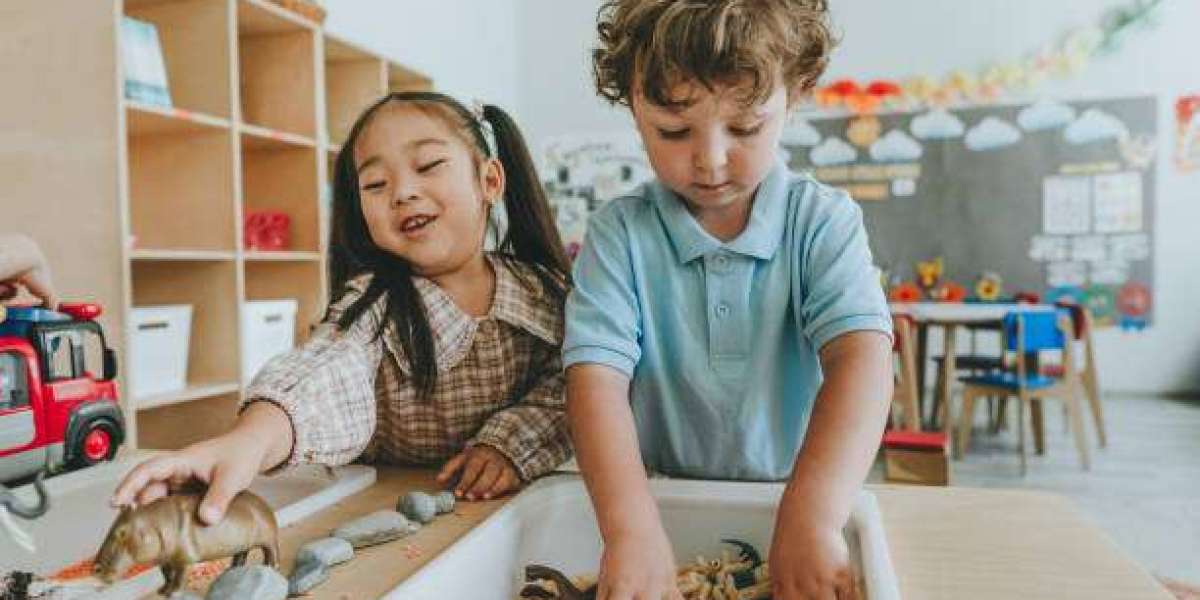

Picking a preschool is stressful. There are lots of options, everyone has an opinion, and half the program names sound the same. If you've been hearing the word "Montessori" a lot and aren't totally sure what it means in practice, you're not alone. Parents in the Pomona area are asking this question constantly, and honestly, the answers aren't always easy to find in one place. This guide breaks down what Montessori actually looks like in a real classroom, what separates a solid program from a mediocre one, and why a Montessori Preschool in Pomona CA might be worth a closer look for your family.
What Montessori Actually Means (Not the Marketing Version)
The term "Montessori" isn't trademarked. Any school can slap it on a sign. That's the first thing most parents don't realize, and it matters a lot. A real Montessori classroom looks pretty different from a traditional preschool, and knowing what to look for saves you from being misled by branding.
In a genuine Montessori setup, kids work at their own pace. There's no whole-group instruction where everyone sits at a table doing the same worksheet. Instead, children choose their own activities from a prepared set of materials, and teachers observe and guide rather than lecture. The room itself is designed so a three-year-old can function independently, reach things, move around, and make real choices.
Mixed-age classrooms are another hallmark. You'll typically see three-to-six-year-olds together in one room. Older kids model behavior for younger ones, and younger kids see what's coming next. It sounds chaotic on paper. In practice, it tends to be surprisingly calm.
How the Classroom Is Set Up
Walk into any well-run Montessori classroom and you'll notice the materials first. Low shelves. Everything within reach. Activities laid out on trays, each one designed to teach a specific skill through hands-on use. That's intentional. The Montessori method was built around the idea that children learn best by doing, not by watching or listening to someone explain things.
Practical life is a big category. Kids might be pouring water, buttoning clothes, or sweeping a small area. Sounds simple. But these tasks build concentration, coordination, and a sense of real accomplishment that abstract drills just can't replicate. Sensorial materials come next, things like blocks that grade by size or color tablets that help kids sharpen their perception before formal academics start.
Math and language materials follow the same hands-on logic. Number rods, sandpaper letters, moveable alphabets. Kids are touching and manipulating concepts before they're asked to write them down. By the time a child in a good Montessori program reaches kindergarten age, they've usually built a solid foundation without ever feeling like they were being drilled.
What Makes a Montessori Preschool Program in Pomona CA Worth Your Time
Not every program labeled Montessori delivers the real thing. Here's what separates a strong Montessori Preschool Program in Pomona CA from one that's mostly just using the name. Teacher training is the biggest factor. Look for staff who are trained through an accredited Montessori organization, like the American Montessori Society or the Association Montessori Internationale. That training is specific and intensive. It's not the same as a general early childhood education certificate.
Classroom ratios matter too. A good Montessori program keeps the adult-to-child ratio low enough that teachers can actually observe individual children and step in when a kid needs a new challenge or some quiet redirection. High ratios break the model. You can't do individualized instruction when one teacher is managing twenty kids alone.
The physical environment tells you a lot. If the room feels rushed, cluttered, or noisy in a chaotic way, that's a signal. A well-prepared Montessori environment is orderly without being rigid. Kids are busy, but there's a rhythm to it. Trust your gut when you visit.
Questions to Ask on Your Tour
Most schools will give you a tour if you ask. Use it. Don't just look at the room. Ask actual questions and pay attention to how the director or teacher responds. Vague answers are a red flag.
Are your lead teachers AMI or AMS certified?
What's your child-to-teacher ratio during work time?
How do you handle a child who's struggling to stay focused?
Can I observe a class before enrolling?
How do you communicate progress to parents?
A school that welcomes observation is usually confident in what they're doing. One that hedges or gives you reasons why you can't watch a class in session is worth being cautious about. You're making a real commitment here, financially and for your child's early years.
Finding the Right Fit in the Pomona Area
Pomona has grown a lot, and so have the options for early childhood education. If you've narrowed things down to Montessori, you're already thinking about something specific: a child-led approach, hands-on materials, and a prepared environment. That's a good starting point. Now it's about finding a school that actually delivers it consistently.
McKinley Montessori Academy is one option families in the area have been choosing for this kind of early education. Worth looking into if you want something grounded in the actual method rather than just the name.
A strong Montessori Preschool Program in Pomona CA will also have a clear sense of community. Parents should feel like they're in the loop, not just dropping off and picking up without any real connection to what's happening in the classroom. Look for schools that do parent nights, share observations regularly, and treat you like a partner in your kid's learning.
Enrollment timelines are something a lot of families learn the hard way. Good programs fill up. If you're looking at the fall, start visiting in late winter or early spring. Waiting lists are real, especially for the three-year-old spots.
Frequently Asked Questions
Is Montessori right for every child?
Honestly, most kids adapt well to the Montessori environment, but it's not a one-size-fits-all answer. Children who are naturally curious and do well with some independence tend to thrive. Kids who need a lot of structured routine sometimes take longer to settle in. The best way to know is to visit and, if possible, bring your child for a trial observation period.
How is Montessori different from a regular preschool?
The biggest difference is who's driving the learning. In a traditional preschool, the teacher sets the agenda and all kids follow it together. In Montessori, each child chooses their work from a set of prepared materials and moves through it at their own pace. Teachers guide and observe rather than lead whole-group lessons. It's a pretty different dynamic once you see it in person.
What age should my child start a Montessori program?
Most Montessori preschools accept children starting at age two and a half or three. Starting earlier generally means more time to absorb the environment and the materials at a relaxed pace. That said, kids who start at four or five still benefit. Don't stress too much about the exact age.
How do I know if a school is a real Montessori program?
Ask about teacher credentials. Look for AMI or AMS certification, not just a general early childhood degree. Visit the classroom and see if it matches what you've read about the method: mixed ages, low shelves, child-chosen work, and a calm but active atmosphere. And ask if the school is accredited by a recognized Montessori organization.
Is a Montessori Preschool in Pomona CA more expensive than other options?
It can be, yes. Specialized teacher training, quality materials, and lower ratios all cost money. But the range varies a lot between programs. Some schools offer sliding scale tuition or financial aid, so it's worth asking directly rather than assuming it's out of reach. The cost tends to reflect what you're actually getting.