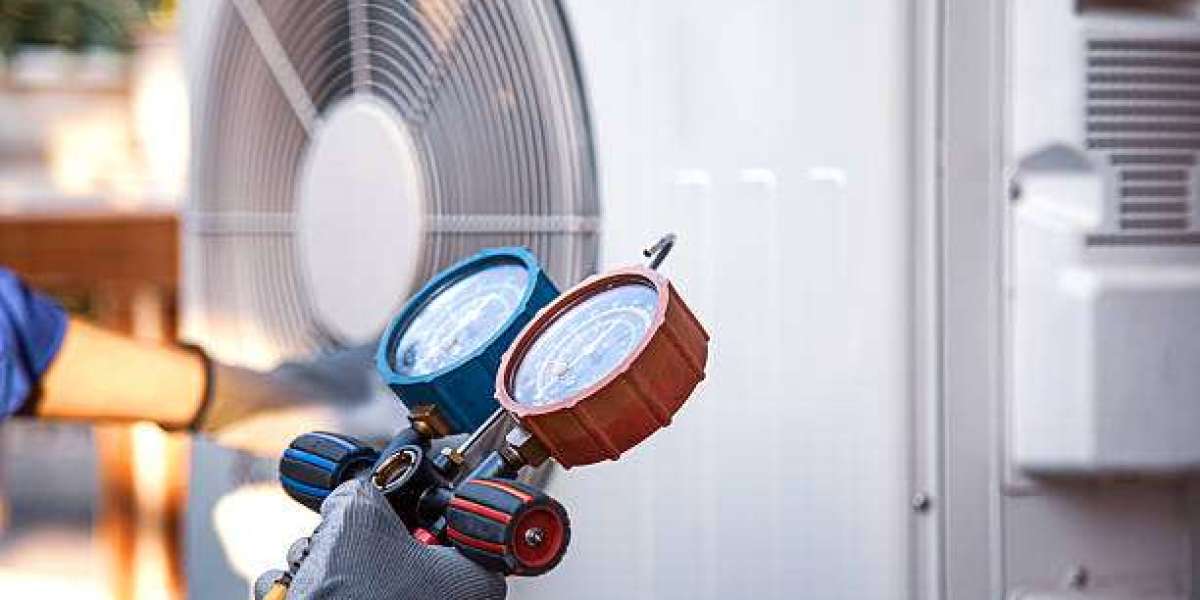

Your air conditioner stops cooling properly on a Wednesday afternoon in July. You call a technician, they show up Thursday, and the first thing they ask is, "So what's it doing?" You shrug and say, "It's just not working right." That vague answer costs you time and probably money. Most HVAC service calls go smoother, faster, and cheaper when the homeowner has already done a little detective work. You don't need any tools or technical training to do this. A good HVAC Technician in Fort Lauderdale FL will still handle the actual repair, but walking in with solid observations makes their job easier and your bill smaller. Here's how to do that properly.
Start With the Thermostat and Power Supply
This sounds almost too simple. But you'd be surprised how often the "broken" HVAC system is actually a thermostat set to the wrong mode, or a tripped breaker that nobody noticed. Check the thermostat first. Make sure it's set to "cool" if you want cooling, not "fan only" or "heat." Check the temperature setpoint too, because sometimes it gets bumped accidentally.
After the thermostat, go look at your electrical panel. A tripped breaker for the air handler or outdoor condenser unit will shut the system down completely. Reset it once and see if it holds. If it trips again right away, stop there and don't reset it a second time. That's a sign of a real electrical problem, and that's where you let a pro take over.
Also check whether the system has a power switch near the air handler, usually mounted on the wall close to the unit. These get switched off accidentally more often than you'd think. Takes thirty seconds to check.
Assess the Airflow Coming From Your Vents
Put your hand over a few supply vents while the system is running. Weak airflow is one of the most common complaints, and it usually points to one of just a handful of causes. A clogged air filter is the most frequent culprit. Pull the filter out and hold it up to a light. If you can't see light through it, it's overdue for a change.
Uneven temperatures from room to room are worth noting too. One bedroom freezing cold while the living room stays warm? That pattern tells a technician something specific about duct balance, damper positions, or even duct leakage. Write down which rooms feel different and roughly by how much. That detail is genuinely useful.
Also check your return air grilles. These are the larger vents that pull air back into the system, and they're often blocked by furniture, curtains, or just years of dust buildup. Blocked returns starve the system of airflow, which causes all kinds of downstream problems. Clear them out and see if airflow improves.
Listen Carefully to What Your System Is Telling You
HVAC systems make noise when something's wrong. Not always loud noise, either. Sometimes it's subtle. The key is knowing what different sounds usually mean so you can describe them accurately.
Rattling or banging: Often a loose panel, a piece of debris in the blower, or a failing blower wheel. Sometimes just a screw that vibrated loose.
Hissing: Usually refrigerant leaking from a line or connection. This one's not a DIY fix under any circumstances.
Clicking that won't stop: The system is probably trying to start but failing. Could be a bad capacitor or a relay issue.
Squealing or screeching: Worn belt or bearings in older systems. Newer systems with direct-drive motors don't have belts, so squealing there is less common but still happens.
Gurgling or bubbling: Often a sign the condensate drain line is partially blocked and water is backing up.
Note when the sound happens. Does it occur at startup only, or does it run the whole time the system is on? Does it come from inside near the air handler, or from the outdoor unit? These details matter a lot to a technician trying to narrow things down quickly.
Inspect the Filter, Drain Line, and Outdoor Unit
We already mentioned the filter, but let's go a step further. A severely clogged filter doesn't just restrict airflow. It can cause the evaporator coil to freeze solid, which then makes the system blow warm air or no air at all. If you pull the filter and it's completely packed, replace it, then give the system a couple hours to thaw before restarting. Check if the problem clears up.
The condensate drain line is a PVC pipe that runs from your indoor unit to a drain or outside. Find the access point, usually a capped T-fitting near the air handler. If it's clogged, water backs up into a drip pan and eventually triggers a float switch that shuts the system down. You can sometimes clear a minor clog by pouring a cup of distilled white vinegar down the line every few months as basic maintenance. If the pan is already full of standing water, that's worth photographing before you call anyone.
Go outside and look at the condenser unit. Is the coil (the metal fins around the outside of the unit) packed with dirt, cottonwood, or debris? Is there ice on the refrigerant lines running into the house? Both of those are specific findings. Corbin HVAC is one option people use for this kind of work in the Fort Lauderdale area, and technicians there will tell you the same thing: photos of what you saw before the service call save real time during diagnosis. Snap a few pictures on your phone.
How to Talk to a Technician About What You Found
Good documentation changes the whole service visit. Seriously. When you can tell a technician exactly what symptoms appeared, in what order, and under what conditions, they spend less time guessing and more time fixing. That's better for everyone.
Write down the basics before you call. When did the problem start? What changed around that time, like a power outage, a new filter, or a storm? What does the system do when it runs, and what does it fail to do? Any sounds, smells, or visible issues like ice or water? Which rooms are affected and which aren't?
An HVAC Technician in Fort Lauderdale FL who gets that kind of rundown can often show up with the right parts already in the truck. That means one trip instead of two. And if you've already ruled out the simple stuff like power and filter issues, the tech knows to skip straight to the harder diagnostic steps. That's real time saved, and time on a service call is usually billed by the hour.
According to the U.S. Department of Energy's air conditioner maintenance guidance, regular filter changes and keeping the outdoor unit clear of debris are among the most effective things a homeowner can do to prevent system failures. Most of what we've covered here lines up directly with that.
Frequently Asked Questions
How do I know if my HVAC problem is something I can fix myself?
Filter changes, thermostat adjustments, clearing blocked vents, and resetting a tripped breaker are all reasonable DIY steps. Anything involving refrigerant, electrical components beyond a breaker reset, or internal mechanical parts should go to a licensed technician. If you're not sure, err on the side of calling someone.
My system runs but doesn't cool. Where do I start?
Start with the filter and the outdoor unit. A frozen evaporator coil or a dirty condenser coil are the two most common reasons a running system fails to cool. Also check that the thermostat is actually set below the current room temperature, which sounds obvious but gets missed more than you'd expect.
Is it safe to run my HVAC if I hear a hissing noise?
Not really. Hissing usually means a refrigerant leak, and running the system in that condition can damage the compressor, which is one of the most expensive parts to replace. Turn it off and call an HVAC Technician in Fort Lauderdale as soon as you can.
How often should I be changing my air filter?
Most standard 1-inch filters need changing every 30 to 60 days, especially in South Florida where systems run almost year-round. Thicker 4-inch media filters can sometimes go 6 months. Check the manufacturer's recommendation on the filter packaging, and check it visually every month regardless.
What information should I have ready before I call an HVAC Technician in Fort Lauderdale?
Have the make and model of your system if you can find it on the unit's label, the age of the system if you know it, a description of the symptoms and when they started, and any photos you took of things like ice buildup, standing water, or a dirty filter. That information helps the technician prepare and often speeds up the whole visit.
Taking thirty minutes to walk through these checks before picking up the phone won't always solve the problem, but it'll almost always make the solution faster to reach.