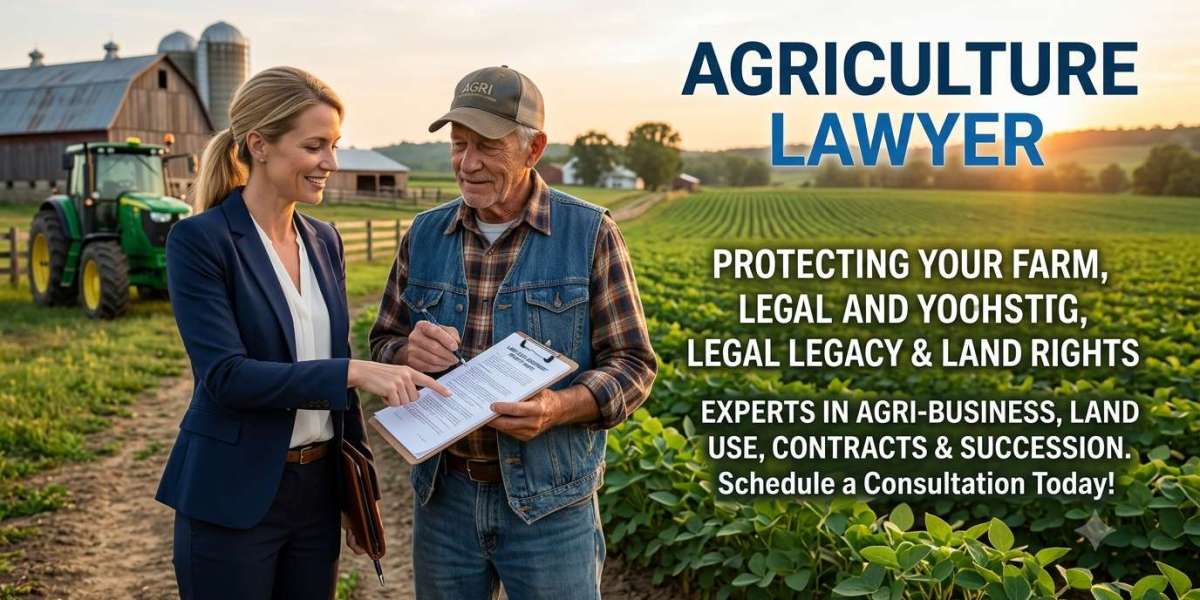

Operating a farm today involves far more than tracking weather patterns and yield expectations. Modern agricultural operations exist at the intersection of business, real estate, environmental regulation, and family planning. A single oversight in a lease agreement or succession plan can threaten decades of hard work.
Understanding the legal landscape surrounding your agribusiness is not just about avoiding litigation; it is about building a foundation that allows your operation to adapt, grow, and transition to the next generation.
The Evolving Landscape of Agribusiness
Agricultural operations have transformed from family farms reliance on handshake agreements into complex business enterprises. Today, producers interact with financial institutions, government agencies, equipment suppliers, and global supply chains.
Shifting Regulatory Demands
State and federal agencies continuously update rules regarding land use, water rights, labor compliance, and chemical applications. Staying compliant requires continuous monitoring. Falling out of compliance can lead to severe fines or operational disruption.
Complex Financial Structures
Modern farming requires significant capital outlay. Managing equipment financing, operating lines of credit, crop insurance, and crop delivery contracts involves intricate legal frameworks. Operating without a clear understanding of these legal instruments exposes your farm to unnecessary risk.
Critical Areas Where Legal Counsel Protects Your Operation
Producers often manage daily challenges internally, but certain business functions benefit significantly from formal legal oversight.
1. Land Use, Leases, and Property Rights
Land forms the backbone of any agricultural business. Whether expanding your acreage through acquisition or entering cash-rent leases, every document must clearly establish terms.
Lease Terms: Explicitly state repair responsibilities, termination timelines, and land-use restrictions.
Easements & Access Rights: Protect your ability to move machinery, manage drainage, and utilize utility lines.
Boundary & Water Disputes: Resolve property line ambiguities and secure water rights before investing in infrastructure.
2. Contract Drafts and Business Agreements
Agribusiness runs on contracts grain supply agreements, equipment leases, custom farming arrangements, and vendor purchase contracts. Handshake deals are rarely sufficient in modern commercial settings.
When establishing long-term business partnerships, working with an experienced agriculture lawyer ensures your contracts account for price volatility, force majeure events, and specific performance terms. Clear, enforceable language prevents costly misunderstandings down the road.
3. Business Structuring and Risk Management
Operating as a sole proprietorship leaves personal assets exposed to business liabilities. Structuring your business properly isolates liabilities and offers tax advantages.
LLCs and Corporations: Separate personal assets from farm operations.
Joint Ventures: Structure multi-party farming ventures with clear profit-sharing rules.
Labor Compliance: Drafting clear employment contracts and complying with seasonal worker regulations protects against wage claims.
Succession Planning: Securing the Next Generation
Passing a farm to the next generation involves both emotional and financial challenges. Without a clear, legally binding succession plan, tax obligations and family disputes can dismantle a farm during a transition.
Balancing Operational Control and Equity
A common hurdle is ensuring heirs who actively manage the farm retain operational control, while non-farming family members receive a fair inheritance.
Custom estate structures such as operating trusts or buy-sell agreements—allow active operators to make farm management decisions without forcing the liquidation of core acreage to pay out non-farming heirs.
Tax Strategy and Asset Protection
Properly structured transfers minimize estate tax burdens and preserve working capital. Using trusts, gifting programs, and legal entity transfers over time allows assets to pass smoothly without triggering unexpected tax hits.
When to Consult an Ag Law Specialist
Many farm owners seek legal advice only after receiving a notice of violation or a court summons. However, taking a proactive legal approach yields better long-term outcomes and saves significant capital.
Proactive Legal Review
Schedule annual reviews to audit existing leases, review vendor contracts, and update corporate documents. Regular updates ensure your business structure accurately reflects current operations and asset values.
Negotiating Complex Transactions
When buying land, selling major equipment assets, or entering renewable energy leases (such as solar or wind options), bring legal counsel into the conversation early. Early involvement prevents unfavorable long-term commitments.
Building Long-Term Security for Your Agribusiness
Farming is fundamentally about managing risks weather, markets, and input costs. Legal risk should not be an unmanaged variable in your equation. By addressing contracts, business structure, land rights, and estate planning early, you protect your operational independence and shield your assets.
Establishing a clear legal framework lets you focus on what matters most: running a productive, sustainable, and profitable agricultural business for years to come.
Frequently Asked Questions
Question 1: What is ag law and how does it differ from general law?
Answer: Ag law addresses the specific legal, regulatory, and commercial rules that govern farming, land use, water rights, and agricultural commerce.
Question 2: Why should farms avoid relying solely on handshake deals?
Answer: Handshake deals lack clear terms for resolving disputes, leaving both parties exposed if financial, environmental, or operational problems arise.
Question 3: How does business structuring protect personal assets?
Answer: Forming an LLC or corporation separates farm liabilities from personal holdings, preventing farm debts or lawsuits from risking personal property.
Question 4: What is the primary purpose of a farm succession plan?
Answer: A succession plan ensures a smooth transition of management and land ownership to the next generation while minimizing estate taxes and disputes.
Question 5: When should an agricultural producer review existing lease agreements?
Answer: Producers should review land and equipment leases annually, or whenever land values, operational practices, or local market conditions shift significantly.