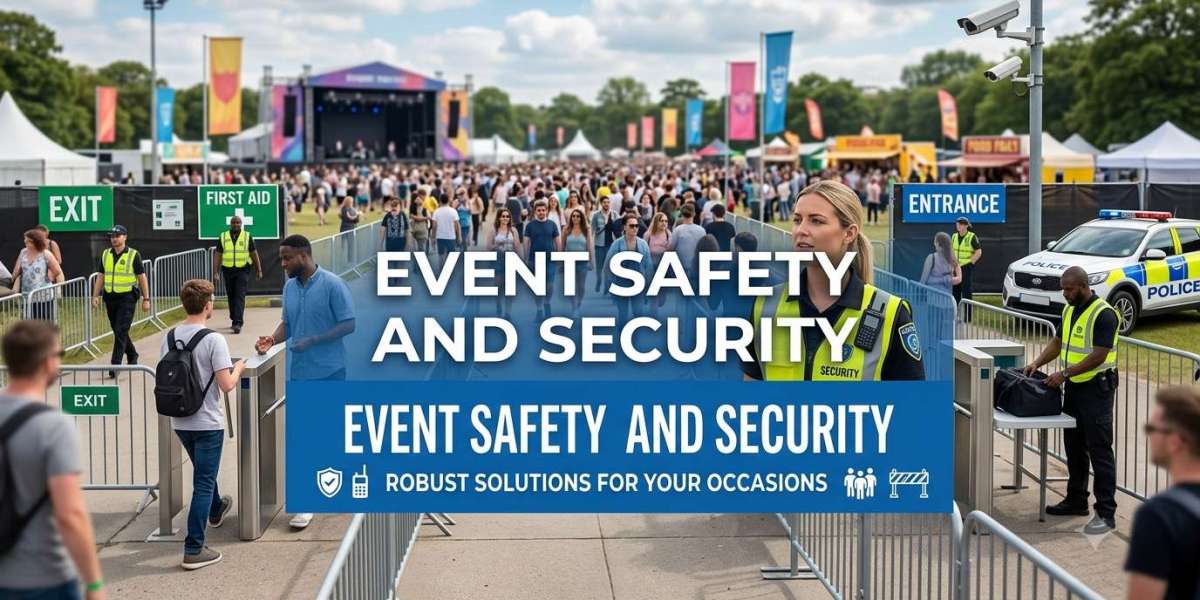

A single unanchored cable running across a concourse, an unmarked emergency exit blocked by extra staging gear, or an unmanaged queue spilling into an active traffic lane—these are not minor oversights. In live event management, small structural oversights lead directly to catastrophic failures. Whether managing a local community festival of 500 attendees or an international trade exhibition expecting tens of thousands, site management requires rigorous planning, constant vigilance, and clear compliance tracking.
Live gatherings bring dynamic variables: fluctuating crowd behaviors, temporary infrastructure, unpredictable weather, and complex third-party vendor operations. Managing these elements requires moving beyond guesswork toward a structured, repeatable safety operational framework.
The Real Cost of Compromised Event Safety
When planning live gatherings, organizers often focus on production value, artist lineups, or ticket sales. However, failing to prioritize safety protocol exposes organizers to severe regulatory penalties, personal liability, and operational shutdowns.
Legal Liabilities and Regulatory Fines
Local authorities, fire marshals, and occupational health agencies enforce strict rules regarding venue occupancy, egress routes, structural stability, and electrical distribution. Operating without verified compliance paperwork or exceeding established load limits can trigger immediate site shutdowns, civil litigation, and substantial fines.
Reputation Damage and Financial Fallout
In an era where every attendee carries a smartphone, safety failures are documented and broadcast instantly. A crowd surge, structural collapse, or foodborne illness outbreak destroys years of brand equity in minutes. Insurance providers also audit safety track records; a history of incidents leads to uninsurable events or prohibitive premium hikes.
Essential Pillars of Live Event Safety and Security
Maintaining high compliance standards requires breaking down physical and operational controls into clear operational categories. Comprehensive event safety and security relies on three distinct pillars.
Physical Site Control and Egress Management
Physical security begins long before doors open. Organizers must establish distinct perimeters, controlled entry point checks, and unimpeded emergency exit paths.
Perimeter Fencing and Barriers: Use rated barricades for high-density stages and temporary fencing to separate pedestrian movement from service vehicles.
Wayfinding and Egress Lighting: Emergency exits must remain clearly illuminated, unobstructed, and identifiable from any location inside the venue.
Capacity Monitoring: Use digital counters or wristband scanners at major zone transitions to prevent localized overcrowding.
Emergency Response and Multi-Agency Coordination
An effective safety plan defines clear protocols for severe weather, structural hazards, fire, and medical crises.
Chain of Command: Establish an Incident Command Structure (ICS) defining exactly who holds authority to halt an event or initiate evacuation.
Communication Channels: Dedicate specific radio channels for security, medical teams, production crews, and local authorities to ensure rapid communication.
Severe Weather Triggers: Set specific wind-speed thresholds for lowering stage lighting rigs and clear rainfall limits for clearing unpaved parking fields.
Medical Provisioning and Health Compliance
First-aid availability must scale directly with attendee volume, venue geography, and environmental conditions.
Set up clearly marked medical stations across the venue footprint.
Maintain dedicated access lanes for ambulances to enter and exit without driving through crowds.
Ensure food vendors hold valid local health permits and follow proper handwashing and refrigeration rules.
Building an Effective Risk Assessment Strategy
A comprehensive risk assessment forms the foundation of every compliant event. Rather than viewing safety documentation as an administrative burden, treat it as a step-by-step roadmap for hazard identification and prevention.
Step 1: Identify On-Site Hazards
Walk the venue floor during buildout, active operations, and teardown phases. Look for specific hazards:
Trip hazards from exposed power cables or uneven ground.
Working at height during stage and lighting rigging setup.
Temporary power distribution units exposed to rain or moisture.
Hazardous materials such as propane tanks for food vendors or diesel generators.
Step 2: Evaluate Exposure and Risk Levels
Determine who might be harmed and how. Classify risk levels based on likelihood and potential severity:
High Risk: High-voltage cabling near water features, elevated staging without guardrails, or uncontrolled pyrotechnics.
Medium Risk: Dense crowd bottlenecks at narrow concession lines or temporary overhead signage.
Low Risk: Slips or trips on smooth, dry interior walkways.
Step 3: Implement Targeted Control Measures
Apply the hierarchy of controls to mitigate every identified hazard. If a hazard cannot be eliminated entirely, implement engineering controls (such as cable ramps), administrative controls (such as crowd management training), or personal protective equipment (PPE for technical crews).
Step 4: Document Findings on Standardized Forms
Documenting every step ensures accountability across staff, contractors, and venue personnel. Utilizing an official risk assessment form for events provides a consistent structure to log hazards, assign responsible staff members, and track completion dates before opening gates to the public.
Streamlining Compliance with Pre-Built Documentation
Creating safety frameworks, site inspection logs, and emergency response templates from scratch for every production takes dozens of hours that operational teams rarely have. Utilizing verified template packages from Safety Docs allows site managers to adopt established, industry-compliant forms, safe work method statements (SWMS), and risk assessment frameworks tailored to live event environments.
Standardizing paperwork across operations creates reliable routines for site managers and contractors. When every vendor submits documentation in a standardized format, reviewing compliance, identifying gaps, and presenting verified proof to municipal inspectors becomes significantly faster.
Post-Event Auditing and Continuous Improvement
Safety management does not end when the main lights turn off and attendees exit the grounds. The teardown and review phases are equally vital for maintaining complete compliance.
Load-Out Supervision: The teardown phase carries high risk due to crew fatigue, heavy machinery movement, and working at height. Maintain full safety supervision until all temporary structures are dismantled and removed.
Incident Log Auditing: Review all first-aid visits, security interventions, and near-miss logs to pinpoint operational weaknesses.
Post-Event Debrief: Gather key heads of departments, security leads, and local authority liaisons to review what worked well and update standard operating procedures for future events.
Frequently Asked Questions
Q1: When should an event risk assessment be completed?
Initial risk assessments should begin during site selection and layout design. Finalized assessments must be reviewed and signed off at least two to four weeks before site setup begins.
Q2: Who is legally responsible for safety at a live event?
The primary event organizer holds ultimate legal responsibility, though duties are often shared with venue owners, main contractors, and designated safety officers.
Q3: How often should site safety checks take place during multi-day events?
Conduct physical site inspections daily before opening gates, alongside continuous monitoring of high-density zones throughout operational hours.
Q4: What is the main purpose of a risk assessment form for events?
It systematically identifies hazards, measures risk levels, establishes mandatory safety controls, and creates a clear legal audit trail of due diligence.
Q5: Do small private events require formal safety documentation?
Yes. Any event open to staff, contractors, or attendees carries legal liability, making documented risk management essential regardless of scale.