
Most people do not realize how long they have been fighting a losing battle until they stop and take inventory. Years of brightening serums. Months of strict sunscreen application. Countless mornings spent blending concealer over the same stubborn patches. The discoloration persists, seemingly immune to every strategy deployed against it.
Melasma is not a problem of insufficient effort. It is a problem of insufficient tools. For decades, the available treatment arsenal did not match the biological complexity of the condition. That imbalance has only recently begun to shift, thanks to a class of laser technology engineered to operate on fundamentally different principles.
What Happens at the Cellular Level
At its foundation, melasma involves a failure of pigment regulation. Melanocytes, the specialized cells woven throughout the skin's architecture, begin producing melanin in volumes that far exceed normal requirements. This surplus does not distribute evenly. Instead, it concentrates into patches of dark discoloration that settle across the cheeks, forehead, and sometimes the bridge of the nose or upper lip.
Understanding why these patches form requires examining both environmental and constitutional triggers. Ultraviolet exposure provides the most consistent external stimulus, capable of perpetuating melanocyte dysfunction through even modest, repeated contact. Hormonal influences add another layer of complexity entirely. Shifts in estrogen and progesterone levels during pregnancy, contraceptive use, and various endocrine conditions frequently serve as the catalyst that initiates the entire process.
The aspect that makes melasma genuinely difficult to treat is pigment depth. Rather than remaining near the skin's surface where topical products can access it, excess melanin migrates into the dermis. This deeper layer sits beneath the epidermis, which is the primary barrier that creams and serums must penetrate. Even the most potent topical formulations reach only a fraction of the dermal pigment burden. Surface patches lighten perceptibly while the underlying supply chain remains intact. Remove the product, and the discoloration returns because nothing has changed at its source.
The history of laser intervention for melasma carries its own cautionary lessons. Heat-based devices delivered thermal energy into pigment-dense tissue with the intent of breaking apart melanin clusters. For many patients, the result was precisely the opposite of what was promised. Thermal stimulation provoked inflammatory responses within melanocytes, which responded by producing additional pigment. This rebound darkening left patients worse off than before treatment, and it created deep skepticism about whether laser technology could ever be safely applied to melasma. Many who consulted with specialists at an aesthetic clinic during this period walked away with stories of treatments that compounded rather than resolved their concerns.
How Pico Laser Treatment Reimagines the Approach
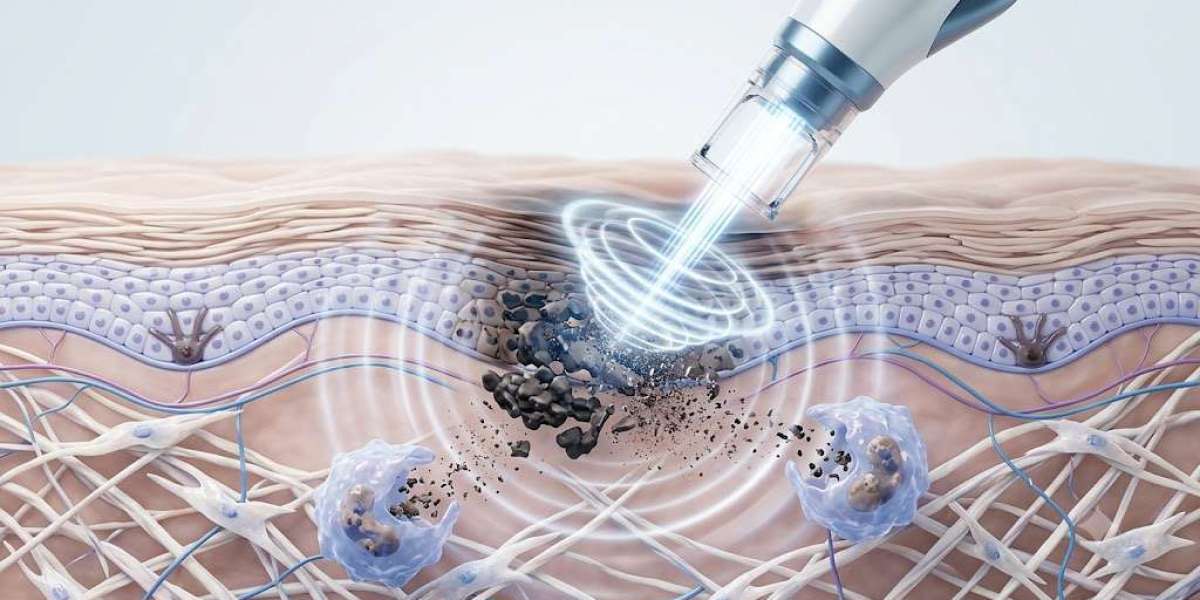
The innovation that has most meaningfully changed the conversation operates on an entirely different physical mechanism. Pico laser treatment does not heat pigment. It shatters it through mechanical force delivered at incomprehensible speed.
The "pico" designation refers to picoseconds — units of time equivalent to one-trillionth of a second. Previous laser platforms, including the widely utilized Q-switched models, fired their energy pulses in nanosecond intervals. A nanosecond represents one-billionth of a second. The current generation compresses that delivery by approximately one thousand times.
This acceleration is not an incremental upgrade. It is a categorical change in how energy transfers to biological tissue. When pulses extend across nanoseconds, thermal energy accumulates in surrounding cells. The photothermal effect fragments melanin effectively but at the cost of provoking the inflammatory signaling that melasma patients cannot afford. By collapsing the pulse duration into picosecond territory, energy converts to acoustic pressure rather than heat. The resulting shockwaves fracture melanin aggregates into fragments small enough for the body's immune cells to process and eliminate through natural lymphatic drainage.
Why the Removal of Thermal Damage Changes the Risk Profile
The consequences of minimizing heat in melasma treatment are far-reaching. Without substantial thermal provocation, the inflammatory cascade that triggered rebound darkening in earlier approaches is largely averted. For individuals who watched their skin worsen after previous laser attempts, this shift represents the difference between a credible option and a dangerous gamble.
Targeting precision benefits directly from the same principle. Ultra-short pulses concentrate their impact on pigmented structures while leaving surrounding cells largely undisturbed. The skin responds with a measured, organized healing process rather than the diffuse inflammatory reaction that complicated older protocols.
Recovery characteristics after treatment mirror this reduced trauma profile. Without burns, blistering, or significant surface damage, the visible aftermath is typically limited to mild pinkness that fades within a few hours. The majority of patients return to normal activities without any indication that a procedure occurred. Individuals who experience pico laser treatment for the first time at an aesthetic clinic often express genuine surprise at how unobtrusive the post-treatment period turns out to be.
Navigating the Process From Consultation to Completion
A thorough evaluation always precedes treatment. During the initial appointment, a clinician examines the pigmentation's characteristics — its hue, boundaries, and apparent depth — to confirm melasma as the diagnosis. Conditions that visually resemble melasma, such as solar lentigines or marks following inflammatory skin events, require distinct therapeutic approaches. Accurate identification at this stage prevents misdirected treatment.
Preparation on the day of your session involves skin cleansing and application of a topical numbing cream. The anesthetic requires roughly twenty to thirty minutes to achieve full effectiveness, ensuring comfort throughout the procedure.
The clinician then operates a compact handpiece across the face in systematic passes. Patients commonly liken the sensation to rapid, sharp snapping against the skin — distinctly uncomfortable but well within the tolerance threshold of most individuals. A comprehensive facial treatment typically spans fifteen to twenty minutes.
After the final pass, a calming product and sunscreen are applied. Mild erythema is expected and resolves quickly. Most people can use cosmetic products from the following morning onward, making it feasible to schedule sessions around professional and personal obligations.
What a Realistic Treatment Timeline Looks Like
A foundational conversation at any aesthetic clinic involves honest expectation-setting regarding results and timeline. Pico laser treatment does not produce immediate, dramatic change. Melasma accumulates over years, and dismantling it demands patience and a structured approach.
Most clinicians recommend a series of four to six sessions, scheduled at intervals of approximately two to four weeks. Early improvement often emerges around the second or third session — a subtle but encouraging lightening of patch intensity and a blurring of their edges. The body continues processing and clearing fragmented pigment for weeks following each appointment, so visible progress develops steadily rather than arriving all at once.
Adherence to the recommended schedule is a decisive factor in determining outcomes. Sessions spaced too far apart can reduce the cumulative momentum of treatment. A practitioner experienced with pigment disorders monitors how your skin responds between visits and makes timing adjustments to keep the process on track.
Between Sessions: Where Discipline Makes the Difference
Clinical procedures provide the catalyst for change, but long-term results hinge on daily habits maintained at home. Sun protection represents the most critical of these behaviors. Ultraviolet radiation activates melanocytes with remarkable speed and efficiency, and even brief, incidental exposure can reignite the pigmentation cycle.
Broad-spectrum sunscreen rated SPF 30 or higher should be applied every morning as a non-negotiable step — regardless of weather, season, or the amount of time you anticipate spending outdoors. UV rays penetrate cloud cover and glass without difficulty. Mineral formulations containing zinc oxide are frequently the preferred choice for melasma-prone skin because they establish an immediate reflective barrier that begins working the instant they contact the skin.
Hormonal contributors also merit transparent discussion with your provider. If your melasma correlates with contraceptive medication, pregnancy, or hormone replacement therapy, these elements need to be integrated into your comprehensive management plan rather than treated as separate considerations.
Between clinical appointments, a well-structured maintenance regimen typically includes gentle cleansing, daily photoprotection, and targeted active ingredients like vitamin C, arbutin, or niacinamide that help modulate melanin production. Expert guidance from an aesthetic clinic professional ensures these products support and reinforce the work accomplished during clinical sessions rather than working at cross-purposes.
Making the Decision With Full Information
Melasma exerts a quiet but persistent toll on daily confidence. It shapes decisions about lighting, cosmetics, photography, and social comfort in ways that accumulate over time. Finding an approach that delivers genuine, measurable pigment reduction offers a form of relief that purely cosmetic concealment cannot match.
Pico laser treatment is not a permanent eraser. No responsible clinician will characterize it as one, because genetic susceptibility and ongoing environmental exposure ensure the condition can reappear. What this technology provides is a scientifically grounded, inflammation-conscious method for achieving significant pigment reduction across a structured series of sessions.
If your history with topical products and older-generation procedures has left you without meaningful, lasting improvement, exploring modern laser options is a logical next step. Seek practitioners with specific expertise in pigment disorders. Schedule consultations, review their documented outcomes with patients who share your skin profile, and ask detailed questions about their approach and methodology.
Melasma is resilient, but resilience is not the same as permanence. With appropriate clinical care and unwavering daily protection, your skin can gradually move toward a state where the reflection in the mirror feels like an accurate representation of who you are.