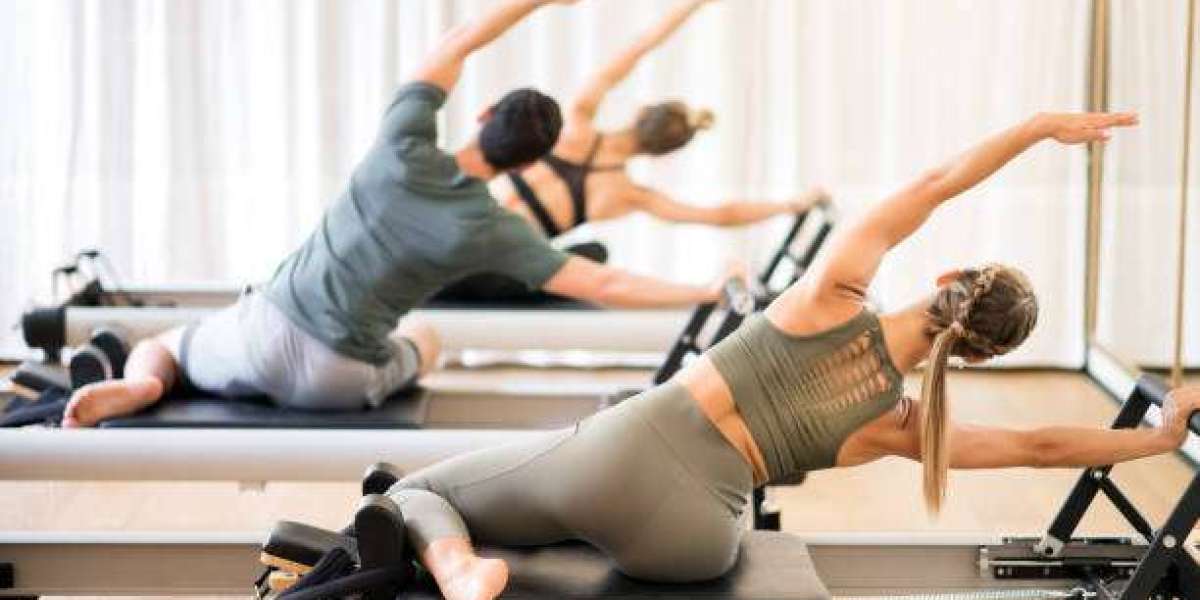

A lot of people put off trying Pilates for the same reason. They assume it's for dancers, or for people who are already flexible, or for folks who somehow have their body totally figured out. None of that's true. Pilates is actually one of the more beginner-friendly movement practices out there, and it's built around principles that make sense even if you've never set foot in a fitness studio before. If you're in the Chicago area, finding a good Pilates studio in Downtown Chicago is a solid first step. But before you book that first class, it helps to know what you're actually walking into.
What Pilates Actually Is
Pilates is a method of controlled movement developed by Joseph Pilates in the early 20th century. It focuses on core strength, posture, breath, and alignment. Not cardio. Not heavy lifting. The goal is to train your body to move efficiently, which sounds simple until you realize how badly most of us have learned to move over the years of desk jobs and bad habits.
The core principles include concentration, control, centering, flow, precision, and breath. That last one trips a lot of beginners up. You're expected to breathe in a specific way during each movement, and it takes a few sessions before it starts to feel natural. Don't stress about it early on. Your instructor will guide you through it, and it clicks eventually.
It's worth understanding how Pilates differs from yoga, since people mix them up constantly. Both involve controlled movement and body awareness, but yoga has roots in spiritual practice and often holds static poses. Pilates is more focused on dynamic movement patterns and building functional strength. You can read more about the history and method behind Pilates if you want the full picture before your first session.
Mat vs. Reformer: What's the Difference?
This is the question almost every beginner asks. Mat Pilates is done on the floor, using your bodyweight and sometimes small props like resistance bands or a small ball. Reformer Pilates uses a sliding carriage machine with springs that add or reduce resistance depending on the exercise. Both are legitimate. They're just different tools.
For true beginners, mat classes are usually the better starting point. You learn the foundational movements without the added complexity of a machine. Reformer work is fantastic, but there's a learning curve with the equipment itself, and you'll get more out of it once you have some baseline body awareness. That said, plenty of studios offer beginner reformer classes specifically designed for people with zero experience, so it's not off the table.
Ask the studio which format they recommend. Most instructors have a clear opinion based on your goals. If posture and core rehab are your main reasons for starting, mat work often addresses those more directly at first.
What to Expect in Your First Few Classes
Honestly? You'll probably feel a bit lost. That's normal. The movements look deceptively simple when an instructor demonstrates them, but engaging the right muscles while breathing correctly and keeping your spine in the right position is a lot to manage at once. Give yourself a three-class window before you judge whether you like it.
Soreness is coming. Specifically in muscles you didn't know you had. The deep stabilizers along your spine, the muscles around your hips, the small muscles in your shoulders. You won't be hobbling like you would after a hard leg day at the gym, but you'll notice things. A day or two of that mild ache is a sign the work is landing in the right places.
Pilates in Downtown Chicago studios tend to keep beginner classes small, which is genuinely helpful. Smaller groups mean more correction from the instructor, and early correction saves you from building bad habits that are annoying to undo later.
How Often Should You Go?
Two to three times a week is the sweet spot for most beginners. Once a week isn't enough to build the kind of body memory that Pilates depends on. The movements need repetition before they start to feel intuitive, and weekly sessions don't give your nervous system enough exposure to make that happen quickly.
Real changes in posture, core strength, and flexibility typically show up after four to six weeks of consistent practice. Some people notice small shifts sooner. Mostly it's the posture stuff that comes first, then the core strength, then the flexibility. Don't expect a dramatic transformation after two sessions. But do expect to feel something shift.
If budget or schedule makes three times a week unrealistic, two is fine. Just be consistent. Inconsistent attendance is the main reason people don't see results and then decide Pilates doesn't work for them. It does work. It just needs time.
What to Wear, Bring, and Do Before Class
Wear fitted clothing. Loose shirts and baggy pants make it hard for your instructor to see your alignment, and alignment feedback is most of the job in a beginner class. Leggings and a snug top are the standard. Grip socks are usually required for hygiene reasons on reformers and mats, so check ahead whether the studio provides them or you need to bring your own.
Don't eat a heavy meal in the two hours before class. Pilates involves a lot of core compression and spinal flexion, and a full stomach makes that uncomfortable fast. A light snack an hour out is fine. Water is fine.
Arrive a few minutes early your first time. Let the instructor know you're new. Good instructors adjust their cues and keep an eye on beginners, but only if they know who you are. Better Posture Pilates is one option for Pilates in Downtown Chicago if you want a studio that's known for working well with first-timers and people coming back from injury or long periods of inactivity. Showing up prepared and a little early goes a long way toward making that first class feel less chaotic.
One more thing. Leave your ego outside. You will not be the most coordinated person in the room, and that's fine. Nobody cares. Everyone in a beginner class is figuring it out, and even experienced practitioners still get corrections. That's the whole point of the method.
Frequently Asked Questions
Do I need to be fit before starting Pilates?
No. Pilates is designed to meet you where you are. Instructors can modify every exercise, so your current fitness level doesn't matter as much as your willingness to show up and pay attention. People recovering from injury, older adults, and complete beginners all do Pilates successfully.
Is Pilates good for back pain?
It's one of the more commonly recommended movement practices for people with chronic lower back issues. The focus on spinal alignment and deep core activation can take pressure off the structures that cause pain. That said, if you have a specific injury or condition, check with your doctor before starting and tell your instructor upfront.
How is a Pilates studio in Downtown Chicago different from a regular gym class?
A Pilates studio in Downtown Chicago is typically smaller and more focused than a big gym. Class sizes are often capped, equipment is specific to the method, and instructors usually have more specialized training. You get more individualized attention, especially in the early stages.
How long are beginner Pilates classes?
Most run 45 to 60 minutes. Some studios offer shorter express formats at 30 minutes, but those are usually better suited once you already know the basics. A full hour gives enough time to warm up properly and work through a range of movements without feeling rushed.
Will Pilates help me lose weight?
Pilates builds lean muscle and improves how your body functions, but it's not primarily a calorie-burning workout the way running or cycling is. Most people find it changes their body composition and posture noticeably over time. If weight loss is your main goal, Pilates works best alongside other activity and good nutrition habits.
Starting something new is always a little uncomfortable. But Pilates has a way of rewarding people who stick with it past that awkward first phase, and most beginners are genuinely surprised by how much stronger and more aware of their body they feel after just a few weeks.