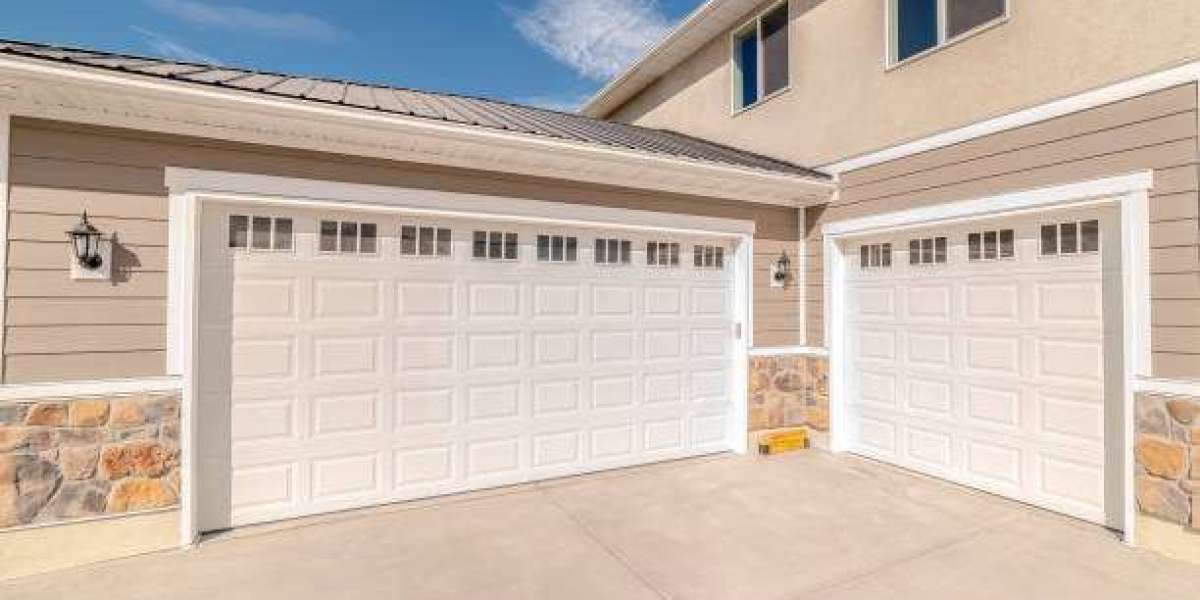

Beginner's Guide to Buying a New Garage Door
Replacing a garage door sounds simple until you actually start shopping for one. Suddenly you're staring at steel vs. wood, torsion vs. extension springs, R-values, panel thicknesses, and a dozen other things nobody warned you about. It's genuinely confusing, and most first-timers spend way too long second-guessing themselves before pulling the trigger. This guide cuts through all of that. Whether you're replacing a beat-up old door or putting one in for the first time, here's a clear, honest look at what you need to know before you spend a dime. And if you're already looking for a Garage Door Supplier in Pottstown PA, this will help you shop smarter and avoid the mistakes most beginners make.
The Main Types of Garage Doors
Material matters a lot. Not just for looks, but for how much upkeep you'll do and how long the door holds up. The four most common options are steel, wood, aluminum, and fiberglass, and each one has a different sweet spot.
Steel is the most popular for a reason. It's affordable, durable, and comes in a huge range of styles. Most residential doors you see are steel. It can dent, but higher-gauge steel resists that pretty well, and it's low maintenance compared to wood. If you're on a normal budget and just want something that works reliably for years, steel is usually the answer.
Wood looks beautiful, no question about it. But it warps, it swells in humid weather, it needs repainting or staining every few years, and it's heavier than the alternatives. If you're in a climate with big temperature swings or a lot of rain, wood is going to demand more attention than most homeowners want to give it. Aluminum is lighter and rust-resistant, which makes it a decent pick for coastal areas, though it dents even easier than steel. Fiberglass is a niche choice, mostly for people who want the wood look without the wood maintenance, but it can crack in very cold temperatures, so it's not ideal everywhere.
How to Measure Your Garage Opening Correctly
Before you contact anyone, measure your space. Seriously. Don't skip this step. A lot of first-timers call a supplier without these numbers and then waste everyone's time going back and forth.
You need four measurements. Width and height of the actual opening are obvious, but you also need headroom (the space between the top of the opening and the ceiling above it), sideroom (the space on each side of the opening), and backroom (how far back your garage runs from the opening). Standard torsion spring systems need at least 10 to 12 inches of headroom. Less than that and you may need a low-headroom conversion kit, which adds cost. Most standard doors need about 3.75 inches of sideroom on each side. Write all of this down before you make a single call.
According to the U.S. Department of Energy's guidance on garage doors, proper sizing and insulation together can have a real effect on your home's energy use, especially if the garage is attached to the house. That's worth keeping in mind when you're tempted to skip the insulation upgrade to save a bit upfront.
Features That Actually Matter
Insulation R-Value
R-value measures how well the door resists heat transfer. Higher is better, but you don't always need the highest. If your garage is attached to your house and has living space above it, a door with an R-value of 12 to 18 is worth the extra money. Detached garage that just stores garden tools? A basic door with R-6 or so is probably fine. Don't let a salesperson upsell you on insulation you won't actually benefit from.
Spring System Type
Most doors come with either torsion springs or extension springs. Torsion springs sit above the door and tend to last longer, usually around 15,000 to 20,000 cycles. Extension springs run along the sides and are cheaper upfront but wear out faster. For daily use, torsion is the better long-term bet. Ask specifically which type is included in any quote you get.
Panel Thickness and Warranty
Thicker panels (24-gauge or lower number steel) resist dents better than thinner ones. It's a detail that's easy to overlook on a spec sheet but noticeable after the first time a basketball hits the door. And always read the warranty. Some cover the full door for life, others only cover specific parts for a year or two. Know what you're actually getting before you sign anything.
What to Look for in a Supplier
Not all suppliers are the same. Some are big box stores that sell doors and leave the installation to whoever you hire separately. Others are local specialists who handle the whole job from measurement to installation to follow-up service. For a first-time buyer, working with a specialist is almost always the smarter move. You get someone who can spot problems with your opening before the door is ordered, not after.
A good Local Garage Door Supplier in Pottstown PA should carry doors from multiple manufacturers, not just one brand. That gives you real choices across different price points. Ask about lead times. Some custom sizes take four to six weeks. Ask about after-sale support too. If something goes wrong six months from now, who do you call? That answer matters more than most people realize when they're shopping.
If you want a local company that handles sales, installation, and service all together, Ollis Entry is one option people in the area use for exactly this kind of full-service approach. Worth looking into if you'd rather not juggle multiple contractors.
A good Local Garage Door Supplier in Pottstown PA will also be upfront about timelines and won't pressure you into a fast decision. If someone's rushing you, that's a red flag. Take your time.
Hidden Costs First-Timers Miss
The sticker price on a garage door is rarely the final number. Pretty common for buyers to get surprised by a handful of extras that nobody mentioned up front.
Hardware upgrades are one of the biggest. Decorative handles, hinges, and straps can add a few hundred dollars fast. Opener compatibility is another one. Your new door might be heavier than the old one, which means your existing opener might not have the horsepower to handle it. You may need a new opener, and that's easily another $200 to $400 on top of the door cost. Disposal of your old door is also something people forget about. Some installers include it, many don't. Ask explicitly before the job starts.
Permits are worth checking too. Some municipalities require a permit for garage door replacement, especially if structural changes are involved. Your supplier or installer should know the local rules, but confirm it yourself. A Garage Door Supplier in Pottstown PA that knows the area will typically flag this for you, but don't assume.
Frequently Asked Questions
How long does a garage door installation typically take?
Most standard installations take two to four hours. If there are complications like a non-standard opening size or old hardware that needs to be dealt with, it might run a bit longer. Half a day is a safe window to block off.
Can I install a garage door myself?
Technically yes, but it's not recommended for most homeowners. Spring installation in particular is genuinely dangerous if you don't know what you're doing. The springs are under a lot of tension and can cause serious injury if mishandled. Most people save money in the short run by DIYing it and then spend more fixing problems later. Hire a pro.
How do I know what size door I need?
Measure the width and height of your opening exactly. Standard single doors are usually 8 to 10 feet wide. Standard double doors are 16 feet wide. But openings vary, so always measure yours specifically rather than assuming it's standard.
What's a reasonable budget for a new garage door?
A basic steel door with installation typically runs between $800 and $1,500 for a single car. Double doors with mid-range insulation and installation can run $1,800 to $3,500 or more, depending on the style and any add-ons. Custom wood doors can go well above that. Get two or three quotes before committing.
How often do garage doors need to be replaced?
A well-maintained garage door can last 20 to 30 years. Springs usually need replacing sooner, around every 7 to 12 years depending on use. If the door is dented, sagging, or making loud grinding noises, it might be time to replace rather than repair, especially if it's already 15 or more years old.
Buying a garage door the first time doesn't have to be stressful. Measure carefully, know your material options, read the warranty, and find a supplier who treats the whole job as their responsibility, not just the sale. Do those things and you'll end up with a door you're happy with for a long time.