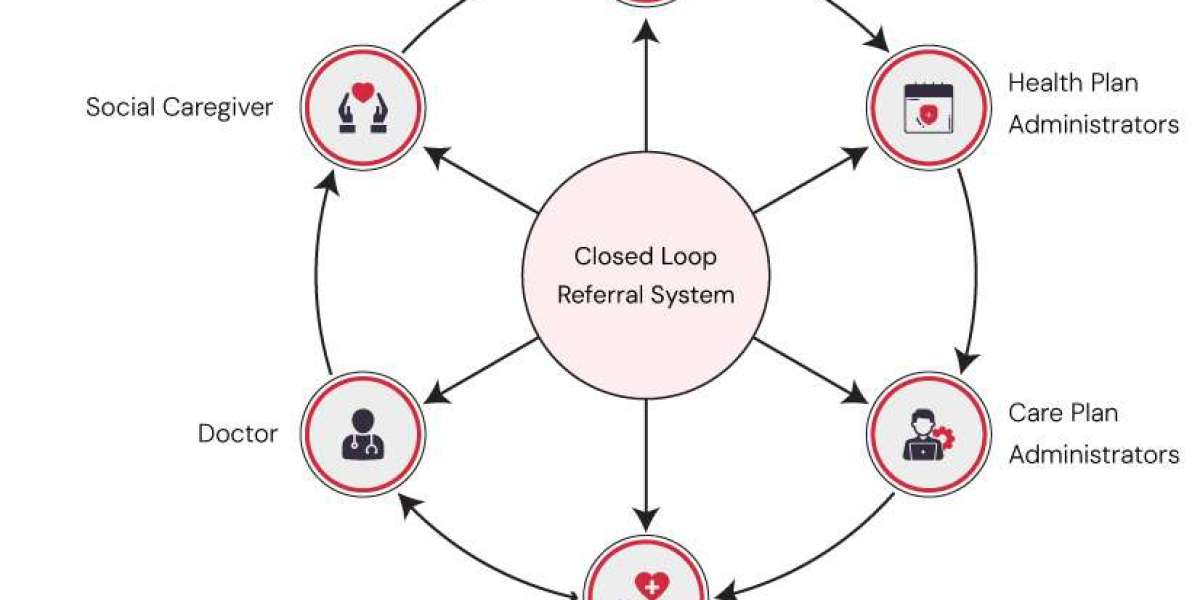

A closed loop referral system offers a modern approach by creating a connected ecosystem where referrals can be initiated, monitored, completed, and analyzed efficiently. By closing communication gaps between healthcare providers, community organizations, and service networks, this technology helps build stronger pathways for coordinated care.
A successful referral process is not only about sending information from one organization to another; it is about creating accountability throughout the entire journey. Traditional referral methods often rely on manual tracking, emails, spreadsheets, or disconnected platforms that make it difficult to understand what happens after a referral is created. With an advanced closed loop approach, every stage of the referral lifecycle becomes visible, allowing organizations to identify bottlenecks, improve response times, and ensure individuals receive appropriate services.
Understanding the Importance of Closed-Loop Referral Workflows
A referral represents more than a simple request for assistance. It reflects a person’s need for healthcare services, social support, financial resources, behavioral health programs, housing assistance, food access, or other essential community resources. Without a structured workflow, these requests can easily become incomplete or unresolved.
A closed-loop referral workflow creates a continuous communication cycle between the referring organization, receiving organization, and the individual seeking support. Once a referral is submitted, organizations can track progress, exchange updates, document outcomes, and confirm when services have been delivered. This transparency improves trust among partners while creating a better experience for community members.
For healthcare networks and nonprofit organizations, this approach supports a more proactive model of care coordination. Instead of simply transferring responsibility after making a referral, organizations remain connected throughout the process. This ensures that every referral has a clear status and that unresolved cases receive appropriate attention.
Improving Care Coordination Across Multiple Organizations
Modern healthcare and social care environments involve multiple stakeholders working together. Hospitals, clinics, community-based organizations, government programs, and nonprofit agencies all play important roles in supporting individuals. However, collaboration becomes difficult when these organizations operate with separate systems and limited communication.
A closed-loop referral system helps unify these efforts by providing a centralized platform where organizations can manage referrals and exchange important updates. Care teams gain better visibility into available resources, referral outcomes, and service completion rates. This allows them to make informed decisions and coordinate support more effectively.
For example, a healthcare provider identifying a patient’s need for transportation assistance can submit a referral directly to a community partner. The receiving organization can acknowledge the request, provide updates, and confirm completion. This eliminates uncertainty and ensures that social needs are addressed alongside medical care.
Enhancing Patient and Community Member Experiences
Individuals seeking healthcare or social services often face complex challenges. They may need assistance from multiple organizations while navigating unfamiliar systems. When referrals fail due to communication issues or lack of follow-up, individuals may experience additional stress and delays.
A connected referral management process improves the overall experience by ensuring people receive timely assistance. Organizations can provide updates, monitor progress, and reduce the possibility of individuals being lost between services. This creates a more supportive and human-centered approach to care delivery.
A closed-loop model also encourages organizations to focus on outcomes rather than simply completing administrative tasks. Instead of measuring success by the number of referrals created, teams can evaluate whether individuals actually received meaningful support. This shift helps organizations improve their programs and deliver better community impact.
Increasing Operational Efficiency Through Automation
Manual referral management requires significant administrative effort. Staff members may spend hours making phone calls, sending emails, updating spreadsheets, and searching for information. These tasks reduce the time available for direct engagement with individuals and communities.
Automated referral workflows help organizations streamline repetitive processes while maintaining accuracy and accountability. Notifications, status updates, and tracking capabilities allow teams to manage higher referral volumes without increasing administrative burden.
Automation also reduces errors caused by incomplete information or missed communication. By maintaining a consistent workflow, organizations can ensure that referrals move efficiently from creation to completion. This improves productivity while allowing staff members to focus on delivering quality services.
Supporting Social Determinants of Health Initiatives
Healthcare outcomes are influenced by many factors beyond clinical treatment. Housing stability, food security, transportation access, employment opportunities, and social support systems all contribute to overall well-being. Addressing these social determinants requires strong collaboration between healthcare providers and community organizations.
A closed-loop referral model plays a critical role in connecting individuals with resources that address these broader needs. Healthcare organizations can identify social challenges and connect people with trusted community partners capable of providing assistance.
By creating measurable referral pathways, organizations can better understand community needs and identify gaps in available services. Data collected through referral processes can support program improvement, resource planning, and more effective community health strategies.
Strengthening Accountability and Measuring Outcomes
One of the biggest advantages of a closed-loop referral approach is improved accountability. In traditional referral systems, organizations may know that a request was sent but have little information about what happened afterward. This lack of visibility makes it difficult to measure effectiveness.
With closed-loop technology, organizations can track important milestones, including referral acceptance, service engagement, completion status, and final outcomes. These insights help leaders evaluate performance and identify opportunities for improvement.
Data-driven decision-making allows organizations to allocate resources more effectively. They can determine which services are most needed, where delays occur, and how partnerships can be strengthened. Over time, this creates a more responsive and efficient support network.
Creating Connected Communities Through Technology
Technology has become an essential component of modern healthcare and social service delivery. However, technology is most valuable when it improves relationships between people and organizations. A referral platform should not replace human connection; it should strengthen collaboration and make support systems easier to access.
A well-designed referral ecosystem creates a bridge between healthcare providers, community organizations, and individuals. It encourages communication, improves transparency, and ensures that resources reach the right people at the right time.
Organizations adopting this approach can move beyond fragmented service delivery and create integrated networks focused on measurable community outcomes. This transformation helps build healthier communities where individuals receive continuous support throughout their care journey.
The Future of Referral Management and Coordinated Care
As healthcare continues evolving toward value-based and community-centered models, efficient referral management will become increasingly important. Organizations need solutions that support collaboration, improve visibility, and create meaningful outcomes for the populations they serve.
Closed-loop referral technology represents a major advancement in how healthcare and social care networks operate. By connecting organizations, automating workflows, and tracking results, it creates a foundation for more effective and equitable service delivery.
The future of coordinated care depends on strong partnerships and reliable communication channels. When organizations work together through intelligent referral systems, they can reduce barriers, improve access to essential resources, and create lasting positive change for individuals and communities.
Implementing a connected referral strategy allows healthcare and community organizations to move from reactive service delivery toward proactive support models. With better coordination, enhanced accountability, and improved outcome tracking, a closed-loop approach can help create a more efficient, inclusive, and connected care ecosystem.