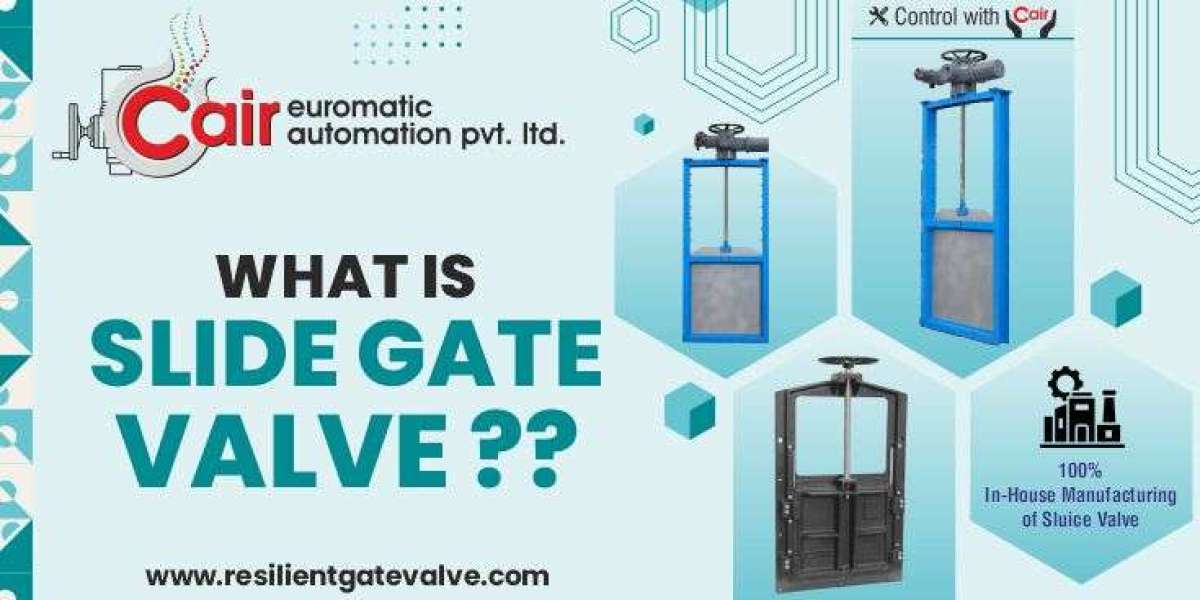

Water is one of the most valuable resources in the world, and managing it efficiently is essential for industries, cities, and agriculture. Whether it is supplying clean water, treating wastewater, controlling irrigation canals, or managing reservoirs, every system depends on reliable flow control. One of the most important components used for this purpose is the sluice gate.
Although the basic design of a sluice gate has remained simple over the years, today's models have become more advanced, durable, and easier to operate. Modern industries now use both manual and motorized sluice gates to improve efficiency, reduce maintenance, and automate water management systems.
In this guide, we'll explore how sluice gates work, where they are used, and why they continue to play such an important role in modern industries.
What Is a Sluice Gate?
A sluice gate is a flow control device used to start, stop, or regulate the movement of water or other liquids through channels, pipelines, tanks, and treatment systems.
The gate moves vertically inside a guide frame.
- When the gate is raised, water flows through the opening.
- When the gate is lowered, it seals the passage and stops the flow.
This simple operating principle makes sluice gates highly reliable and suitable for both small and large water management projects.
Why Are Sluice Gates Important?
Industries need dependable equipment that can operate continuously without frequent maintenance. A sluice gate helps maintain the desired water level, isolate equipment during maintenance, and protect systems from uncontrolled water flow.
Without proper flow control, treatment plants, pumping stations, and irrigation systems cannot operate efficiently.
Applications of Sluice Gates in Modern Industries
Today, sluice gates are used across many industries because they provide reliable and accurate flow isolation.
Water Treatment Plants
Water treatment facilities use sluice gates to control the movement of raw and treated water between different processing stages.
Wastewater Treatment Plants
Wastewater plants depend on sluice gates to isolate tanks, regulate channels, and simplify maintenance without interrupting the entire process.
Irrigation Projects
Farmers and irrigation authorities use sluice gates to distribute water through canals and field channels, ensuring efficient water usage.
Dams and Reservoirs
Sluice gates help regulate water levels and release water safely according to seasonal demand.
Pumping Stations
Pumping stations use sluice gates to isolate pumps during inspection or repair while keeping the remaining system operational.
Industrial Processing Plants
Chemical, power generation, mining, steel, and manufacturing industries use sluice gates wherever reliable flow isolation is required.
Manual vs. Motorized Sluice Gates
Modern industries use both manual and motorized sluice gates depending on the application.
Manual Sluice Gates
Manual gates are operated using a handwheel or gearbox. They are economical and suitable where operation is infrequent.
Motorized Sluice Gates
Motorized sluice gates are equipped with an electric actuator.
The actuator automatically raises and lowers the gate, making operation faster, safer, and more convenient.
Motorized gates are especially useful for:
- Remote installations
- Large gates
- Frequent operation
- Automated plants
- Smart water management systems
Benefits of Modern Sluice Gates
Reliable Flow Control
Modern sluice gates provide dependable opening and closing, ensuring smooth system operation.
Easy Operation
Motorized models eliminate manual effort and can be controlled remotely.
Low Maintenance
Quality materials and precision manufacturing reduce wear and maintenance costs.
Long Service Life
Modern gates are designed to withstand harsh environments for many years.
Improved Safety
Remote operation reduces the need for workers to access difficult or hazardous locations.
Better Water Management
Accurate control helps reduce water loss and improves overall system efficiency.
Materials Used
The choice of material depends on the operating environment.
Common materials include:
- Stainless Steel
- Carbon Steel
- Mild Steel
- Ductile Iron
Seal materials are selected according to pressure, temperature, and media requirements.
Choosing the Right Sluice Gate
Before selecting a sluice gate, consider:
- Gate size
- Water pressure
- Installation location
- Operating method
- Material compatibility
- Corrosion resistance
- Automation requirements
- Maintenance accessibility
Selecting the correct design improves reliability and reduces operating costs.
The Growing Role of Automation
Automation has transformed the way industries manage water.
Today's motorized sluice gates can be connected to:
- PLC systems
- SCADA systems
- Remote monitoring systems
- Control panels
Operators can monitor and operate gates without visiting the installation site, improving efficiency and reducing response time.
Why Quality Matters
A poorly manufactured sluice gate may cause leakage, difficult operation, and frequent maintenance.
A high-quality sluice gate provides:
- Smooth gate movement
- Tight shut-off
- Accurate alignment
- Reliable sealing
- Long operational life
Choosing an experienced manufacturer ensures dependable performance throughout the product's lifecycle.
Why Choose Cair Euromatic Automation?
Cair Euromatic Automation Pvt. Ltd. is a trusted manufacturer of manual and motorized sluice gates in India. Based in Ahmedabad, Gujarat, the company supplies customized sluice gates for water treatment plants, irrigation projects, dams, wastewater facilities, and industrial applications.
Each sluice gate is manufactured according to project requirements with customized sizes, materials, sealing arrangements, and electric actuator options. The focus is on delivering reliable products that are easy to install, simple to operate, and built for long-term performance.
Conclusion
Sluice gates continue to be one of the most reliable solutions for controlling water flow in modern industries. Their simple design, dependable operation, and ability to support automation make them an essential component in today's water management systems.
Whether used in irrigation, wastewater treatment, power generation, or industrial processing, a properly designed sluice gate helps improve efficiency, reduce maintenance, and provide safe, accurate flow control.
As industries continue to invest in automation and smarter infrastructure, motorized sluice gates will play an even greater role in creating efficient and sustainable water management systems.
Frequently Asked Questions (FAQs)
1. What is a sluice gate used for?
A sluice gate is used to start, stop, or isolate the flow of water or other liquids in channels, treatment plants, pipelines, reservoirs, and industrial systems.
2. How does a sluice gate work?
A sluice gate operates by moving a gate vertically. Raising the gate allows water to flow, while lowering it creates a tight seal that stops the flow.
3. What industries use sluice gates?
Sluice gates are widely used in water treatment, wastewater treatment, irrigation, dams, hydropower, power generation, mining, chemical processing, manufacturing, and municipal water systems.
4. What is the difference between a manual and a motorized sluice gate?
A manual sluice gate is operated by hand, while a motorized sluice gate uses an electric actuator for automatic and remote operation.
5. What are the benefits of motorized sluice gates?
Motorized sluice gates offer remote control, faster operation, reduced manual effort, improved safety, low maintenance, and easy integration with automation systems.
6. Can sluice gates be customized?
Yes. Sluice gates can be customized in terms of size, material, sealing system, pressure rating, and operating mechanism to meet specific project requirements.
7. What materials are commonly used to manufacture sluice gates?
Common materials include stainless steel, carbon steel, mild steel, and ductile iron, depending on the application and operating environment.
8. Why is choosing a quality sluice gate manufacturer important?
A well-manufactured sluice gate provides reliable performance, tight sealing, longer service life, lower maintenance costs, and dependable operation, helping improve the efficiency of water management systems.