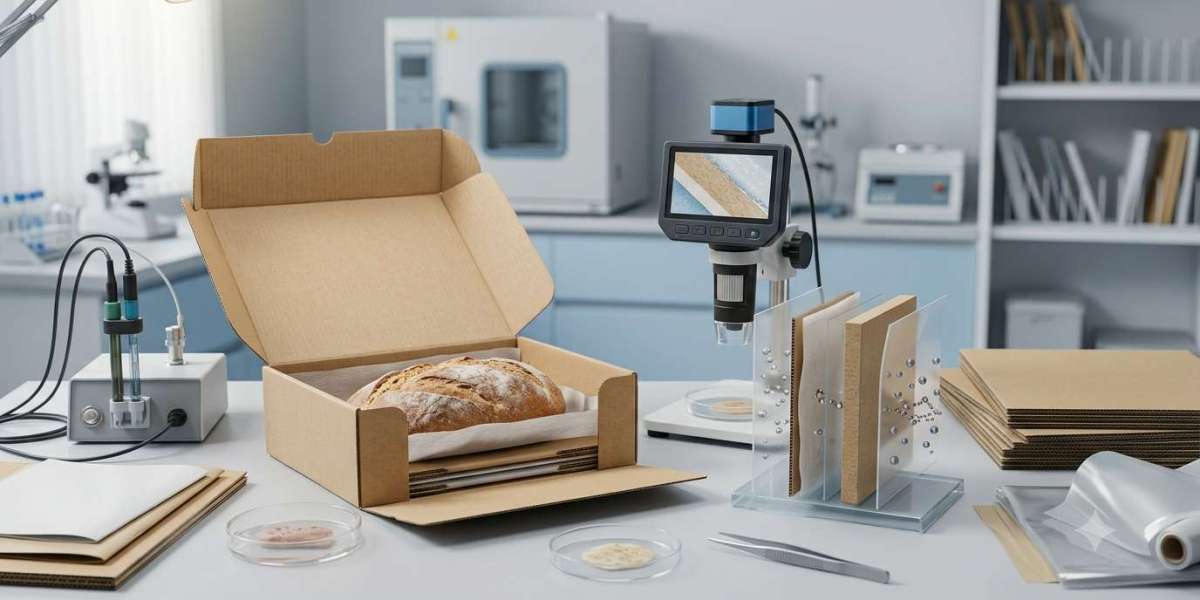

Chemical movement in packaging happens when small particles move from material into food or product inside. This can happen slowly over time especially when items are stored for long periods. It is not always visible, so many brands do not notice it early. The idea is simple: materials are not fully locked and tiny substances can travel through layers. In food packaging, this becomes more important because people eat what is inside. Even ink, glue, or plastic parts can be part of this movement. A simple example is when a strong smell from packaging gets into food. That smell shows that something is moving from one surface to another.
Why Should Brands Care About Chemical Migration Risks?
Brands need attention toward chemical migration because customer trust depends on safety experience during product use and consumption. Food taste or smell changes can cause customers to stop purchasing products and may lead to negative feedback across online platforms. Business growth can face damage from small packaging issues that spread quickly through customer reviews and word of mouth. Market regulations also demand strict control over packaging material safety in food-related industries. Product returns and complaints increase when packaging fails to meet safety expectations.
How Do Packaging Materials Allow Chemicals to Move Into Food or Products?
Packaging materials contain microscopic spaces inside structural layers that allow movement of small particles under specific conditions. Oil content and moisture inside food increase interaction between packaging and product surfaces during storage. Ink used for printing on packaging may transfer under heat or pressure conditions. Adhesive layers between packaging components weaken slowly over time, which increases movement across material boundaries. Heat exposure and physical pressure increase speed of movement between layers.
What Types of Materials Increase Chemical Migration Concerns?
Certain materials create higher risk levels during food packaging use due to structural or chemical properties. Low-quality plastic may break down under heat exposure and release unwanted particles into food products. Untreated paper absorbs moisture and transfers substances from surface layers into stored items. Recycled materials sometimes contain leftover chemical traces from previous usage cycles. Ink not designed for food contact may move into food when exposed to heat or pressure conditions. Thin wrapping materials lose strength during storage and handling processes. Cardboard without proper food-grade treatment creates safety concerns in direct food contact situations.
How Does Heat and Storage Time Make Chemical Migration Worse?
Heat increases movement of substances inside packaging because higher temperature weakens structural stability of materials. Molecular activity increases under warm conditions, which allows faster transfer between packaging layers and food surfaces. Storage duration also plays a major role because longer contact increases interaction time between food and packaging materials. Warm food stored inside containers creates higher transfer rates across material boundaries. A common question people ask is can i put pizza box in oven to keep warm? The answer is important because direct heat can weaken cardboard and increase safety risk if materials are not designed for it.
What Health and Safety Issues Can Chemical Migration Create?
Chemical movement into food can create safety concerns that affect human health and product acceptance. Taste and smell changes often appear first during early stages of migration exposure. Sensitive individuals may experience mild reactions depending on exposure levels and material type. Children and elderly groups show higher sensitivity toward chemical exposure from packaging sources. Even low-risk situations can create strong safety concerns among consumers due to awareness about food safety standards. Customer perception plays a strong role in product acceptance because packaging quality influences trust levels during purchase decisions.
How Do Food Brands Accidentally Increase Chemical Migration Risk?
Many food brands increase risk unknowingly through daily operational decisions and packaging practices. Use of non-food-grade packaging materials increases exposure levels during storage and transport stages. Printing on inner surfaces allows direct contact between ink and food products. Storage under high temperature or humidity weakens packaging structure and increases transfer rate. Overfilled containers create pressure between food and packaging surfaces, which increases contact intensity. Strong-smelling adhesives may transfer odors into food products over time.
What Simple Testing Methods Help Detect Chemical Migration Early?
Simple testing methods help identify safety risks before products reach customers. Smell evaluation helps detect unusual odor changes from packaging materials under different conditions. Heat exposure tests show material behavior under warm storage environments. Visual inspection identifies ink bleeding, surface damage or material weakening during handling stages. Food contact testing using oily or moist samples helps observe interaction over time. These methods do not require advanced laboratory systems and remain accessible for small businesses. Regular testing reduces risk of customer complaints and improves product reliability.
How Can Smart Packaging Design Reduce Chemical Migration Problems?
Packaging design plays a key role in controlling chemical movement between materials and food products. Multi-layer structures reduce direct interaction between food and packaging surfaces. Food-safe coating layers create protective barriers against chemical transfer during storage conditions. Ink selection during the design stage affects safety performance under heat and pressure conditions. Shape design influences contact time and pressure distribution across packaging surfaces. Tight sealing systems reduce exposure to external environmental factors such as air and heat. Inner lining structures provide additional protection against direct contact.
Why Is Custom Packaging Important for Safer Brand Protection?
Custom packaging allows full control over material selection based on product requirements such as temperature exposure, moisture level and storage duration. Standard packaging solutions cannot address all product-specific needs, which increases risk during real usage conditions. Custom design improves safety by matching packaging structure with product behavior during storage and transport stages. Branding consistency improves through controlled design elements while maintaining safety standards. Small businesses increasingly choose custom solutions for better control over quality and presentation. Reduced waste occurs because packaging size matches product dimensions.
How Can Businesses Build Trust Using Safe Packaging Choices?
Customer trust develops through consistent experience of safety and quality across all product interactions. Safe packaging practices help maintain that trust by ensuring stable product condition during use. Repeated use of tested materials creates reliable customer experience over time. Clear communication on packaging helps users understand safety standards applied during production. Some businesses share packaging safety practices to increase transparency and customer confidence. Small food business examples showed sales improvement after packaging upgrade without product change, proving packaging influences customer perception strongly.
How Can UPacked Help Brands Solve Packaging Safety Challenges?
UPacked provides packaging solutions designed around safety requirements and product-specific needs for different industries. Many startups face difficulty in selecting correct materials and testing packaging performance under real conditions. UPacked offers structured options that match food contact safety standards and product protection requirements. Material selection support reduces confusion during production planning stages and improves consistency across batches. Packaging solutions include boxes, wraps, and custom formats designed for specific product categories.







