
Fiberglass is a popular composite material used in construction, automotive, aerospace, marine, electronics, and many other industries. Many people ask what is fiber glass made out of because this lightweight and strong material has become an important part of modern manufacturing. Fiberglass is mainly made from extremely thin strands of glass fibers combined with a resin material that holds the fibers together. The combination creates a durable material that is resistant to heat, corrosion, and impact. Unlike traditional glass, fiberglass is flexible, lightweight, and much stronger because of its unique structure. Understanding the materials used in fiberglass helps explain why it is suitable for so many applications.
What Is Fiberglass?
Fiberglass is a reinforced composite material created by combining fine glass fibers with a binding resin. The glass fibers provide strength and stiffness, while the resin keeps the fibers together and protects them from damage. The result is a strong but lightweight material that can be molded into different shapes and sizes. Fiberglass is also known as glass-reinforced plastic (GRP) because it usually contains glass fibers mixed with plastic-based resins. This combination gives fiberglass excellent mechanical properties compared to many traditional materials.
What Is Fiberglass Made Out Of?
The main components of fiberglass are glass fibers and resin. Glass fibers are produced by melting raw materials such as silica sand, limestone, soda ash, and other minerals at very high temperatures. The melted material is then pulled into extremely thin strands. These glass strands are combined with a resin system, usually polyester, epoxy, or vinyl ester resin. The resin acts as a protective coating and provides shape, strength, and durability to the final fiberglass product.
Main Ingredients Used in Fiberglass Production
Fiberglass production starts with several natural and manufactured ingredients. The most important ingredient is silica sand, which provides the basic glass structure. Other materials such as limestone and soda ash are added to improve melting properties and durability. Small amounts of additional minerals may also be included to improve the performance of the glass fibers. These ingredients are carefully measured and heated to create a consistent glass mixture suitable for fiber production.
Glass Fibers: The Strength Component of Fiberglass
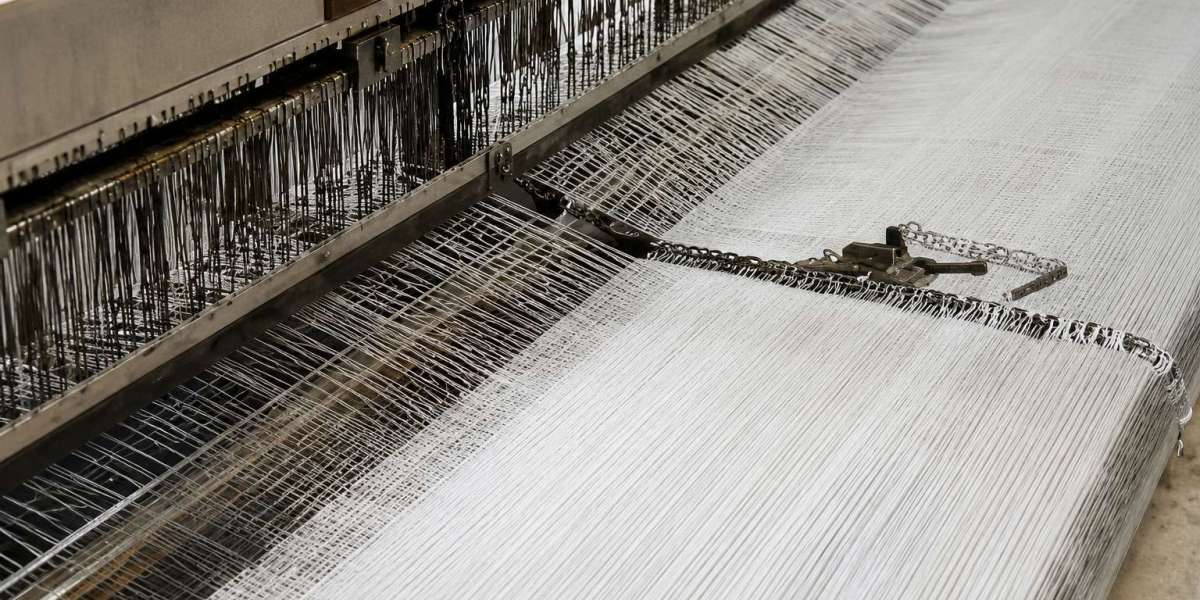
Glass fibers are the primary reinforcement material in fiberglass. They are extremely thin strands of glass that can be thousands of times thinner than a human hair. These fibers provide the strength and stiffness that make fiberglass a valuable engineering material. During manufacturing, molten glass is pushed through tiny openings called bushings to create continuous strands. These strands can be woven into fabrics, arranged into mats, or used as individual fibers depending on the application.
Types of Glass Used in Fiberglass
Different types of glass are used to produce fiberglass depending on the required properties. The most common type is E-glass, which offers good electrical insulation, strength, and affordability. S-glass is another type that provides higher strength and better performance for demanding applications. C-glass is designed for improved chemical resistance and is often used in environments where corrosion protection is important. Each type of glass gives fiberglass different characteristics for specific industrial needs.
Role of Resin in Fiberglass
Resin is another essential component of fiberglass because it holds the glass fibers together and creates the final composite structure. Without resin, the glass fibers would not form a strong usable material. Polyester resin is the most commonly used because it is affordable and easy to process. Epoxy resin provides higher strength and better resistance to chemicals, making it suitable for advanced applications. Vinyl ester resin offers excellent durability and corrosion resistance, making it useful in marine and industrial environments.
How Is Fiberglass Manufactured?
The manufacturing process of fiberglass begins by melting raw materials in a high-temperature furnace. Once the materials become liquid glass, they are passed through small openings to create thin fibers. These fibers are collected and treated with chemical coatings to improve bonding with resin. After that, the fibers are combined with resin through different methods such as hand layering, molding, or automated manufacturing processes. The final product is cured and hardened to create a strong fiberglass structure.
Properties of Fiberglass
Fiberglass has several properties that make it valuable across different industries. It is lightweight compared to metals like steel and aluminum while still providing excellent strength. Fiberglass does not rust, which makes it useful in wet or corrosive environments. It also provides good insulation against electricity and heat. The material can withstand harsh weather conditions and requires less maintenance compared to many traditional materials. These properties make fiberglass a reliable choice for long-term applications.
Why Is Fiberglass So Strong?
The strength of fiberglass comes from the combination of glass fibers and resin. Glass fibers carry most of the mechanical load, while the resin distributes pressure and protects the fibers from damage. The arrangement of fibers also affects the strength of the material. When fibers are properly aligned, fiberglass can handle significant stress without breaking. This unique structure allows fiberglass products to achieve high strength while maintaining a low weight.
Common Types of Fiberglass Materials
There are several forms of fiberglass materials available for different purposes. Fiberglass cloth is made by weaving glass fibers into a fabric and is often used in boats, vehicles, and repairs. Fiberglass mat contains randomly arranged fibers and is commonly used in molding applications. Fiberglass sheets are flat panels used in construction and industrial projects. Fiberglass insulation is another popular form used in buildings to improve energy efficiency and temperature control.
Uses of Fiberglass in Different Industries
Fiberglass is used in many industries because of its strength, flexibility, and durability. In construction, it is used for roofing materials, wall panels, pipes, and insulation. The automotive industry uses fiberglass for vehicle body parts and components because it reduces weight while maintaining strength. Marine industries use fiberglass for boats and water equipment because it resists corrosion. It is also used in aerospace, sports equipment, electrical products, and renewable energy systems.
Fiberglass in Construction
The construction industry widely uses fiberglass because it offers durability and low maintenance. Fiberglass-reinforced panels are used for walls, ceilings, and exterior surfaces. Fiberglass insulation helps reduce heat transfer and improves energy efficiency in buildings. Fiberglass pipes and structural components are also popular because they resist moisture, chemicals, and environmental damage. Its long lifespan makes fiberglass a cost-effective solution for many construction projects.
Fiberglass in Automotive Applications
Automobile manufacturers use fiberglass to create lightweight vehicle components. Parts such as body panels, bumpers, hoods, and interior components can be made using fiberglass composites. Reducing vehicle weight helps improve fuel efficiency and performance. Fiberglass is also easier to shape compared to many metals, allowing manufacturers to create complex designs. Its resistance to corrosion makes it a practical material for automotive applications.
Advantages of Fiberglass
Fiberglass offers many benefits that make it a preferred material in various industries. It has a high strength-to-weight ratio, meaning it provides strong performance without adding excessive weight. It is resistant to rust, moisture, and chemicals, which increases its lifespan. Fiberglass is also affordable compared to many advanced composite materials. Additionally, it requires minimal maintenance and can be customized for different applications.
Disadvantages of Fiberglass
Although fiberglass has many advantages, it also has some limitations. Fiberglass can become damaged if exposed to extreme impacts or excessive stress. Cutting or handling fiberglass may release tiny glass particles that can irritate the skin and lungs, so proper safety equipment is recommended. Repairing fiberglass products can also require specialized skills. Despite these limitations, fiberglass remains one of the most widely used composite materials worldwide.
Is Fiberglass Environmentally Friendly?
Fiberglass has both environmental benefits and challenges. Its long lifespan means products made from fiberglass do not need frequent replacement, reducing waste. However, fiberglass recycling can be difficult because it combines glass fibers with resin materials. Researchers are developing new recycling methods to make fiberglass more sustainable. Improved manufacturing techniques are also helping reduce energy consumption and environmental impact.
Difference Between Fiberglass and Carbon Fiber
Fiberglass and carbon fiber are both composite materials, but they have different properties. Fiberglass is more affordable and provides good strength and durability for general applications. Carbon fiber is lighter and stronger but significantly more expensive. Fiberglass is commonly used in construction, automotive parts, and marine products, while carbon fiber is often used in high-performance applications such as racing vehicles and aerospace equipment.
Future of Fiberglass Technology
The demand for fiberglass continues to grow as industries search for lightweight, durable, and cost-effective materials. New developments in resin technology and manufacturing methods are improving fiberglass performance. Researchers are working on recyclable fiberglass materials and environmentally friendly production methods. As technology advances, fiberglass will continue to play an important role in construction, transportation, energy, and industrial applications.
Conclusion
Fiberglass is made out of fine glass fibers combined with resin materials that create a strong, lightweight, and durable composite. The glass fibers provide strength, while the resin adds protection and flexibility. Because of its excellent properties, fiberglass is used in construction, automotive, marine, electrical, and many other industries. Understanding what is fiber glass made out of helps explain why this material remains one of the most valuable solutions for modern manufacturing and engineering needs. With ongoing improvements in technology, fiberglass will continue to be an important material for future applications.