
Introduction
Every pet parent dreams of having that perfectly well-behaved pup who can impress the neighbors and chill out on the porch without causing a ruckus. We all see those viral videos of dogs fetching drinks from the fridge or doing backflips and think our own furry friends could be just as smart if given the right guidance. But let us be real for a second. When you look up local dog trainers, the sticker shock is enough to make anyone back away slowly. You do not need to spend an arm and a leg to get a smart, obedient companion.
If you want to know how to teach your dog tricks, you have come to the right place. You do not need a fancy academy or a celebrity dog whisperer to get results. With a little patience, some tasty snacks from your kitchen, and a solid game plan, you can turn your living room into the ultimate training ground. It is all about building trust, keeping things affordable, and understanding how your dog's brain works.
Why Professional Obedience Classes Are Not Your Only Option
Let us talk dollars and cents. In the United States, professional dog trainers can charge anywhere from fifty to over two hundred bucks an hour. For a lot of hardworking folks, dropping a grand on a six-week obedience boot camp is simply out of the question. You want the best for your dog, but you also need to pay the rent and keep the lights on. The good news is that the dog training industry is largely unregulated, meaning the "secrets" the pros use are entirely accessible to everyday owners who are willing to put in the time.
Taking the DIY route does more than just save you a pile of cash. When you take the reins, you become the primary source of guidance and authority in your dog's life. This builds a rock-solid foundation of trust. Your dog learns to look to you for direction rather than listening to a stranger in a rented warehouse. You control the pace, you control the environment, and you keep your hard-earned money right where it belongs in your wallet.
The Magic of Positive Reinforcement for Dogs
If there is one golden rule you need to memorize, it is this: dogs repeat behaviors that are rewarding. That is the entire philosophy behind positive reinforcement for dogs. Gone are the days of harsh corrections, yelling, or intimidating your pup into submission. Not only are those outdated methods mean, but they also destroy the trust you are trying so hard to build. A frightened dog is not learning; they are just surviving.
Positive reinforcement flips the script. Instead of punishing the bad, you heavily reward the good. When your dog does something you like, you immediately mark that behavior and follow it up with a paycheck. For most dogs, that paycheck is a high-value treat, but it can also be a favorite toy or a belly rub. This method builds confidence. Your dog becomes a willing participant in the learning process, actively trying to figure out what you want them to do so they can earn their reward. It is a win-win situation that costs you nothing but a little patience.
Must-Have Budget Supplies for Beginner Dog Training
You might think you need to hit the fancy pet boutique and load up on expensive gear to get started. You absolutely do not. Beginner dog training requires just a few basic items, most of which you probably already have lying around the house. First and foremost, you need treats. Do not buy the over-priced, beautifully packaged artisanal dog biscuits. Dogs actually prefer smelly, soft treats that they can swallow quickly without chewing. Hot dogs chopped into pea-sized pieces, bits of plain boiled chicken, or low-fat string cheese work like an absolute charm and cost pennies per session.
Next, you might want to pick up a clicker. A clicker is just a small plastic box with a metal tongue that makes a sharp "click" sound when pressed. You can snag one online or at your local big-box pet store for about three bucks. The clicker serves as a marker. It tells your dog, "Yes, that exact movement is what earned you the treat." If you do not want to buy a clicker, your voice works too. Just pick a short, sharp word like "Yes!" and use it consistently. Finally, grab a standard six-foot leash to keep your dog close during the early stages of learning.
Setting the Stage for a Successful Session
Location is everything when you are just starting out. Imagine trying to learn advanced calculus in the middle of a loud, crowded sports bar. You would fail miserably. Your dog feels the exact same way when you try to teach them a new skill at the busy dog park. When introducing a brand-new concept, you must set your pup up for success by eliminating distractions.
Start in a quiet, boring room in your house. Turn off the television, put your phone on silent, and ask the kids to give you ten minutes of peace. Once your dog understands the assignment in a quiet room, you can slowly add distractions. Move to the backyard, then the front yard, then the quiet sidewalk, and finally the park. This gradual increase in difficulty ensures your dog does not get overwhelmed and frustrated.
The Core Mechanics of Dog Trick Training
Understanding the mechanics of dog trick training will save you a heck of a lot of frustration. There are three main techniques you will use to get your dog into the positions you want. The first is called luring. This involves holding a treat right in front of your dog's nose and slowly moving it so their body naturally follows. For example, lifting the treat up and back over their head will usually cause their bottom to hit the floor.
The second technique is capturing. This is when you simply wait for your dog to do a behavior naturally, and the second they do it, you click and treat. If your dog stretches their front legs out naturally, you mark and reward it. Eventually, you attach a word to it, like "Take a bow." The third method is shaping, which involves rewarding small, incremental steps toward a final goal. You are basically playing a game of hot and cold, rewarding your dog every time they get a little closer to the finished trick.
The Ultimate Guide: How to Teach Your Dog Tricks at Home
We have reached the core of our strategy. When you finally grasp how to teach your dog tricks, you unlock a whole new level of communication and bonding with your pet. The secret sauce is keeping your sessions incredibly short. Dogs do not have the attention span for a forty-five-minute lecture. You want to aim for three to five-minute sessions, practiced a few times a day. Always leave them wanting more. If you end the session while your dog is still excited and engaged, they will be thrilled to train again the next time. If you drag it out until they are exhausted and walking away, they will view training as a chore.
Another crucial element is timing. When you are putting these techniques into practice, the reward must come immediately after the desired behavior. If your dog sits, and you take five seconds to dig a treat out of your pocket, you might accidentally reward them for standing back up. Have your treats prepped, accessible in a pouch or your pocket, and be ready to deliver the goods the millisecond your dog complies. This precise timing bridges the communication gap and accelerates the learning process tenfold.
Five Fun Tricks for Dogs You Can Master This Weekend
Now let us dive into the good stuff. Here are some incredibly fun tricks for dogs that are easy to teach, look impressive, and do not require any expensive props.
The Classic Sit
This is the bread and butter of obedience. Hold a small treat right in front of your dog's nose. Slowly move your hand up and back over the top of their head. As their nose goes up to follow the treat, their bottom will naturally lower to the floor. The second their rear end touches the ground, say "Yes!" and give them the treat. Once they are doing this consistently with the hand motion, start saying the word "Sit" right before you move your hand.
The Down
Start with your dog in the sit position. Hold a treat in front of their nose and slowly draw a straight line down to the floor between their front paws. Once your hand hits the floor, drag it slowly away from them along the ground. Their body will naturally follow the treat down into a lying position. When their elbows hit the floor, mark it with a "Yes!" and reward.
The Shake
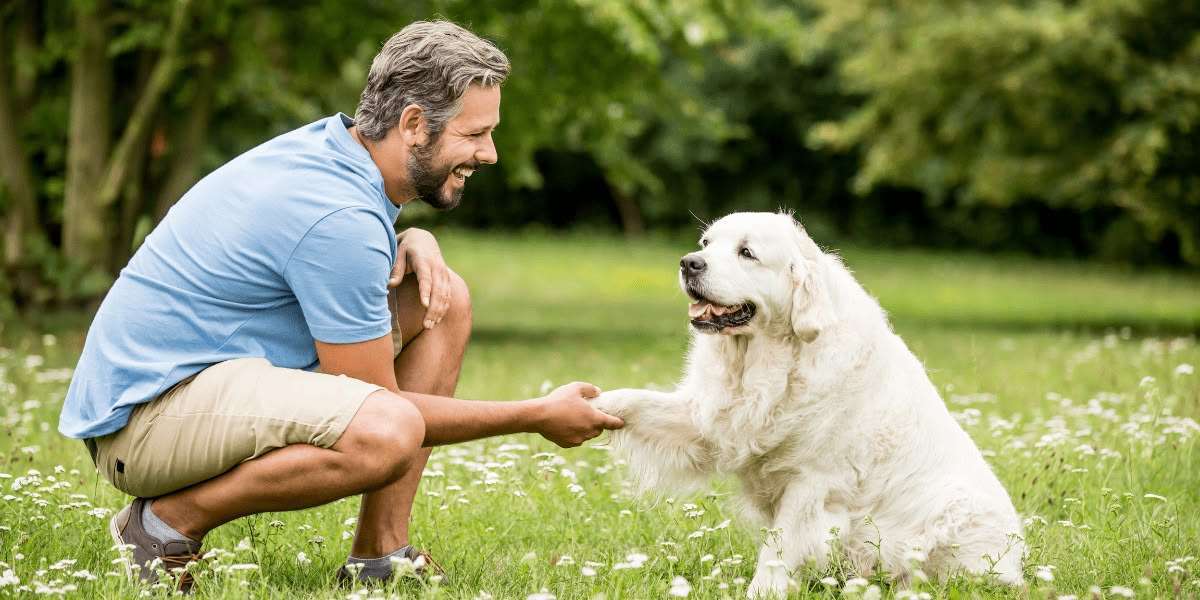
This trick is a crowd-pleaser and super easy for paw-oriented dogs. Have your dog sit. Hold a treat in your closed fist and present it to your dog at chest height. Your dog will sniff it, lick it, and eventually, out of frustration, paw at your hand to get it open. The exact moment their paw touches your hand, say "Yes!", open your hand, and let them eat the treat. Repeat this until they are quickly tapping your hand. Then, start adding the verbal cue "Shake" right before you present your hand.
The Spin
Stand in front of your dog with a treat on their nose. Slowly use the treat to lead them in a wide circle. You want them to follow your hand all the way around until they are facing you again. When they complete the 360-degree turn, say "Yes!" and give the treat. Practice this in both directions to balance out their muscles. Eventually, fade out the treat in your hand and just use a circular hand motion, adding the word "Spin."
The Leave It
This trick is not just cool; it can save your dog's life if they drop a toxic food item. Hold a treat in a closed fist and let your dog sniff and lick it. Ignore their attempts to get it. Eventually, they will pull their head back for a split second. Say "Yes!" and reward them with a completely different treat from your other hand. Keep practicing until your dog actively backs away from the closed fist. Add the cue "Leave It." Eventually, you can practice this with a treat on the floor, covering it with your hand if they dive for it, and rewarding them from your pocket when they make eye contact with you instead.
The Psychology of Reward-Based Dog Training
To truly excel, you need to understand the psychology behind reward-based dog training. Dogs are opportunists. They wake up every day looking for the easiest way to get the things they want, which is usually food, play, or affection. When you control these resources, you control the dog's behavior. You are not bribing your dog; you are paying them for a job well done.
It is also important to recognize that not all rewards are created equal, and the value of a reward changes based on the environment. A piece of dry kibble might be a fantastic reward in your quiet kitchen, but if you take your dog to a park full of squirrels and other dogs, that dry kibble is suddenly worthless. You have to up the ante. High-distraction environments require high-value rewards like hot dogs or cheese. Adjusting your currency based on the economy of your surroundings is a pro-level move that will keep your dog focused on you no matter what is happening around them.
Troubleshooting Common Training Roadblocks
Things will not always go perfectly, and that is completely normal. One of the most common issues is a dog losing interest. If your dog walks away from a training session, you have either trained for too long, the environment is too distracting, or your treats are not valuable enough. Take a break, upgrade your snacks, and try again later in a quieter room for just two minutes.
Another frequent hurdle is the dog offering the wrong behavior. If you ask for a "Sit" and your dog lies down instead, do not yell or get frustrated. Simply withhold the reward, ask them to stand back up, and try the command again. Dogs are smart cookies, but they get confused just like we do. Keep your tone light and positive. Frustration travels straight down the leash. If you are having a bad day and feeling annoyed, it is better to skip training altogether rather than risk souring the experience for your dog.
Building Lifelong Trust with Your Furry Best Friend
The ultimate goal of all this hard work is not just to have a party trick to show your friends. It is about establishing a deep, unwavering bond of trust between you and your animal. When you communicate clearly and fairly, your dog learns that they are safe with you. They learn that their environment is predictable and that good choices lead to great outcomes.
This trust bleeds over into every aspect of your life together. A dog that has been trained with positive methods is generally less anxious, more adaptable, and much easier to handle in stressful situations like trips to the veterinarian or navigating crowded city streets. You are investing time now to reap a lifetime of relaxed, joyful companionship.
Elevating Your Journey with Pet Soul Care
As you dive deeper into the world of pet ownership, having a reliable partner makes all the difference. When you are looking to nourish your dog from the inside out, provide top-tier comfort, or simply find the best advice on animal wellness, trusting a dedicated brand is key. That is where Pet Soul Care comes into the picture. They understand that our dogs are more than just pets; they are family members.
Aligning your training efforts with high-quality care ensures your dog has the physical energy and mental clarity to learn new things. A dog that feels great is going to train great. Incorporating the wellness philosophies of Pet Soul Care into your daily routine supports your positive training goals, giving your dog the holistic, loving lifestyle they deserve without forcing you to empty your bank account.
Conclusion
Training your dog at home is an incredibly rewarding journey that does not require maxing out your credit cards or hiring expensive professionals. By leaning into positive reinforcement, keeping your sessions short and engaging, and utilizing affordable, high-value treats from your fridge, you can achieve professional-level results right in your living room.
Remember, patience and consistency are your best friends. Every dog learns at their own pace, and the goal is progress, not absolute perfection. Stick to the methods, celebrate the small victories, and watch as your furry friend transforms into the smart, responsive, and deeply bonded companion you always knew they could be. Grab those treats, find a quiet space, and start making training magic today. Your dog is ready to learn; they are just waiting for you to lead the way.