
Obesity is a serious health condition that affects millions of people worldwide and increases the risk of diabetes, heart disease, hypertension, sleep apnea, and joint problems. While many people achieve weight loss through diet and exercise, others struggle despite consistent efforts. For those facing severe obesity, bariatric surgery can provide an effective long-term solution that supports significant and sustainable weight loss.
Among the most successful bariatric procedures available today is Gastric Bypass in Islamabad. This advanced surgery is designed to help patients lose excess weight while improving obesity-related health conditions. By understanding how the procedure works, its benefits, and the recovery process, you can make an informed decision about whether gastric bypass is the right option for your health goals.
What Is Gastric Bypass Surgery:
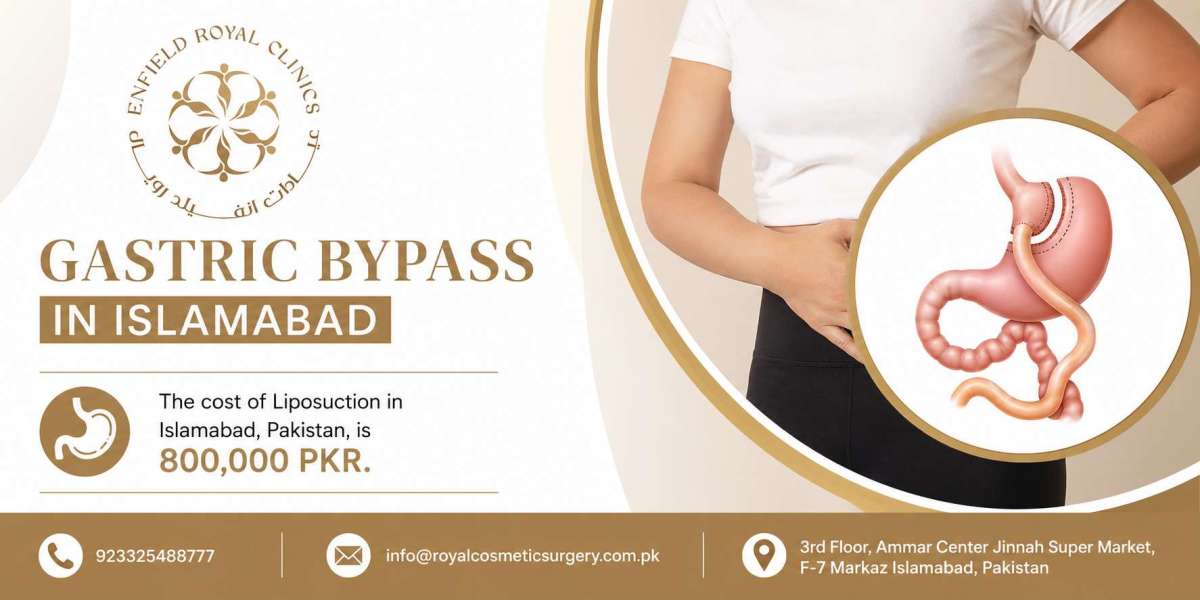
Gastric bypass surgery, also known as Roux-en-Y gastric bypass, is a weight-loss procedure that changes the structure of the digestive system. During surgery, a small pouch is created from the upper portion of the stomach. This pouch becomes the new stomach and is directly connected to the small intestine, bypassing a large section of the stomach and the first part of the intestine.
Because the stomach is much smaller, patients feel full after eating a small amount of food. At the same time, bypassing part of the digestive tract reduces calorie and nutrient absorption, leading to effective and long-lasting weight loss.
How the Procedure Is Performed:
Most gastric bypass surgeries are performed laparoscopically using small incisions and specialized surgical instruments. This minimally invasive technique reduces pain, minimizes scarring, lowers the risk of complications, and shortens recovery time compared to traditional open surgery.
The procedure generally involves several important steps:
- Creating a small stomach pouch.
- Dividing the small intestine.
- Connecting the new stomach pouch to the lower section of the intestine.
- Reconnecting the remaining intestine to allow digestive juices to mix with food.
The surgery typically takes two to four hours, depending on the patient's condition and surgical complexity.
Who Is an Ideal Candidate:
Not everyone is a suitable candidate for gastric bypass surgery. Doctors carefully evaluate each patient before recommending the procedure.
You may qualify if you:
- Have a Body Mass Index (BMI) of 40 or higher.
- Have a BMI over 35 with obesity-related medical conditions.
- Have been unable to lose weight through traditional methods.
- Are committed to lifelong dietary and lifestyle changes.
- Are medically fit for surgery.
A complete medical assessment helps determine whether gastric bypass is the safest and most effective treatment for your needs.
Preparing for Gastric Bypass Surgery:
Preparation is one of the most important parts of achieving successful results. Before surgery, patients undergo several evaluations to ensure they are physically and mentally prepared.
These assessments may include:
- Blood tests
- Physical examination
- Nutritional counseling
- Psychological evaluation
- Heart and lung assessment
- Imaging studies if required
For individuals who want to explore non-surgical weight-management options before considering bariatric surgery, Weight loss injection in islamabad may provide medically supervised support depending on their overall health and weight-loss goals.
Benefits of Gastric Bypass Surgery:
Gastric bypass offers numerous health improvements beyond simple weight reduction.
Some of the most important benefits include:
- Significant long-term weight loss
- Better control of Type 2 diabetes
- Lower blood pressure
- Improved cholesterol levels
- Reduced sleep apnea symptoms
- Relief from joint pain
- Improved mobility
- Increased energy levels
- Better quality of life
Many patients begin noticing improvements in obesity-related medical conditions within weeks after surgery.
Recovery After Surgery:
Recovery varies from person to person, but most patients remain in the hospital for one to three days.
During recovery, patients gradually transition through different dietary stages:
First Week:
Only clear liquids are allowed while the stomach begins healing. Walking is encouraged to improve circulation and reduce the risk of blood clots.
Weeks Two to Four:
Patients slowly introduce protein shakes, pureed foods, and soft meals while continuing light physical activity.
One Month and Beyond:
Most individuals gradually begin eating regular healthy foods in small portions. Regular follow-up appointments ensure proper healing and nutritional balance.
Life After Gastric Bypass:
Successful weight loss depends on maintaining healthy habits after surgery. Patients are encouraged to follow a balanced lifestyle that supports long-term results.
Healthy habits include:
- Eating smaller meals
- Choosing high-protein foods
- Drinking enough water
- Avoiding sugary beverages
- Taking prescribed vitamin supplements
- Exercising regularly
- Attending routine follow-up visits
These habits help maintain weight loss while preventing nutritional deficiencies.
Possible Risks and Complications:
Like every surgical procedure, gastric bypass carries some risks. Fortunately, complications are relatively uncommon when the operation is performed by experienced bariatric surgeons.
Potential risks include:
- Infection
- Bleeding
- Blood clots
- Leakage at surgical connections
- Vitamin deficiencies
- Dumping syndrome
- Nutritional deficiencies
Regular monitoring and following your surgeon's instructions greatly reduce these risks.
Emotional and Psychological Benefits:
Weight loss often improves emotional health as much as physical health. Many patients report feeling happier, more confident, and more motivated after surgery.
Positive emotional changes may include:
- Increased self-esteem
- Better body image
- Greater confidence
- Improved social life
- Reduced anxiety
- Higher overall life satisfaction
These improvements often encourage patients to maintain healthier lifestyles for years to come.
Is Gastric Bypass Worth It:
For individuals struggling with severe obesity and related health conditions, gastric bypass can be life-changing. It offers lasting weight loss, improved physical health, greater mobility, and enhanced confidence. However, long-term success depends on dedication to healthy eating, regular exercise, and ongoing medical care.
Final Thoughts:
Understanding the gastric bypass procedure helps patients make informed decisions about their weight-loss journey. While surgery is a powerful tool, lasting success comes from combining the procedure with healthy lifestyle changes and professional guidance. If you are considering bariatric surgery, schedule a consultation with Royal cosmetic surgery clinic to receive personalized care, expert advice, and a treatment plan tailored to your individual health goals.