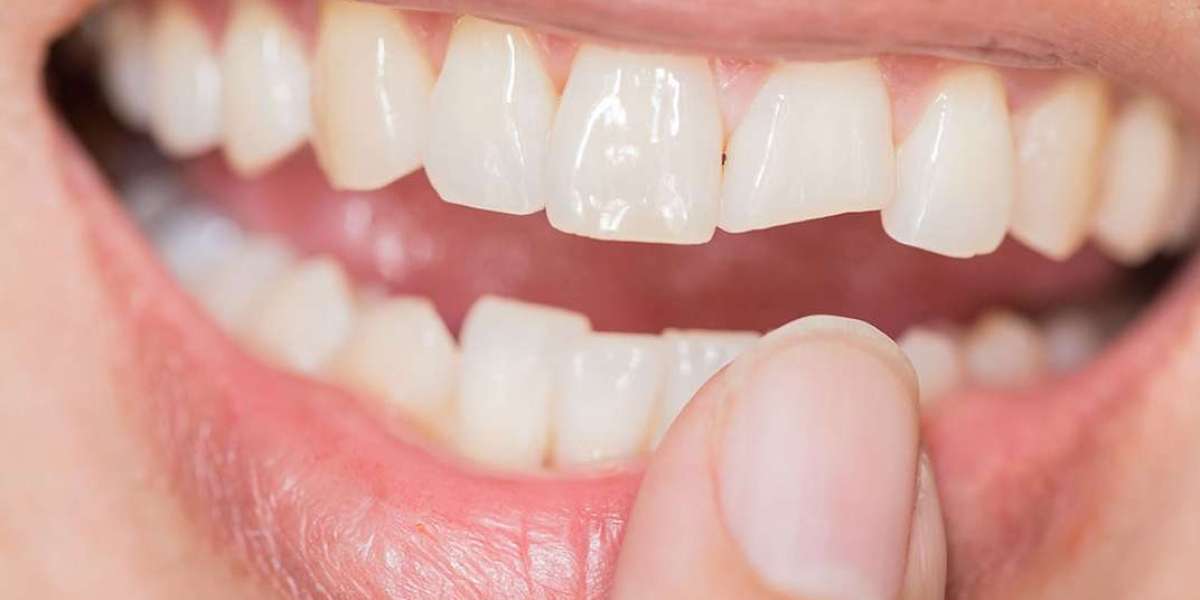

A tooth fracture is a common dental injury that can range from a small cosmetic crack to a severe break that affects the tooth's nerve and root. If you've chipped, cracked, or broken a tooth, you may wonder, "Is a tooth fracture serious?" The answer depends on the type, size, and location of the fracture. While some minor cracks require little treatment, others can lead to severe pain, infection, and even tooth loss if left untreated.
The good news is that modern dentistry offers effective treatments for most tooth fractures. Seeking prompt dental care can often save the affected tooth and prevent complications.
What Is a Tooth Fracture?
A teeth fracture occurs when a crack or break develops in the structure of a tooth. The damage may affect only the outer enamel or extend into the dentin, pulp, or root.
Common types of tooth fractures include:
- Craze lines (tiny enamel cracks)
- Chipped teeth
- Cracked teeth
- Split teeth
- Vertical root fractures
Each type varies in severity and requires a different treatment approach.
Is Every Tooth Fracture Serious?
Not every tooth fracture is considered a dental emergency, but every fractured tooth should be evaluated by a dentist.
Small enamel cracks may cause no symptoms and only affect appearance. However, deeper fractures can become serious because they expose the sensitive inner layers of the tooth to bacteria and damage.
The longer a significant fracture goes untreated, the greater the risk of permanent damage.
Signs That a Tooth Fracture May Be Serious
Certain symptoms suggest that the fracture requires immediate attention.
Severe Pain
Sharp pain while chewing or biting often indicates that the crack has reached deeper layers of the tooth.
Persistent Sensitivity
Sensitivity to hot, cold, or sweet foods that doesn't improve may signal pulp involvement.
Swelling Around the Tooth
Swollen gums or facial swelling can indicate infection resulting from bacteria entering the fracture.
Visible Large Crack
A large crack or broken piece of tooth should always be examined promptly.
Loose Tooth
If the tooth feels loose after trauma, the fracture may involve the root or surrounding bone.
What Causes a Tooth Fracture?
Several factors increase the risk of tooth fractures.
Common causes include:
- Biting hard foods like ice or hard candy
- Sports injuries
- Falls and accidents
- Teeth grinding (bruxism)
- Large dental fillings
- Tooth decay that weakens the tooth
- Aging teeth
Understanding the cause helps prevent future fractures.
What Happens If You Ignore a Tooth Fracture?
Ignoring a fractured tooth can lead to several serious complications.
Infection
Bacteria can enter the crack and infect the pulp, leading to severe pain and swelling.
Dental Abscess
Untreated infection may result in an abscess, a pocket of pus that requires urgent treatment.
Worsening Crack
Normal chewing forces can cause the fracture to spread deeper into the tooth.
Tooth Loss
If the fracture reaches the root or the tooth splits completely, extraction may become necessary.
Damage to Nearby Teeth
Changes in your bite due to a fractured tooth may place additional stress on surrounding teeth.
How Dentists Treat Tooth Fractures
Treatment depends on the severity of the fracture.
Dental Bonding
Small chips and minor cracks can often be repaired with tooth-colored composite resin.
Dental Crown
A crown covers and strengthens a weakened tooth while restoring its function and appearance.
Root Canal Treatment
If the fracture reaches the pulp, a root canal removes the infected tissue and preserves the remaining tooth.
Tooth Extraction
If the tooth cannot be restored because of extensive root damage or a complete split, extraction may be the best option.
Can a Fractured Tooth Heal on Its Own?
No. Teeth do not heal naturally like bones. Even if the pain disappears, the crack remains and may worsen over time.
Professional treatment is necessary to stabilize and protect the tooth.
How Can You Prevent Tooth Fractures?
You can lower your risk by following these simple habits:
- Avoid chewing ice or hard objects.
- Wear a mouthguard during contact sports.
- Use a nightguard if you grind your teeth.
- Maintain good oral hygiene.
- Visit your dentist regularly.
- Repair cavities and damaged fillings promptly.
Prevention is always easier and less costly than treatment.
When Should You See a Dentist?
Schedule an appointment immediately if you notice:
- Pain when biting or chewing
- A visible crack or broken tooth
- Persistent sensitivity
- Swollen gums
- A loose tooth
- Bleeding after dental trauma
- Fever or signs of infection
Prompt treatment increases the chances of saving your natural tooth.
Conclusion
So, is a tooth fracture serious? It certainly can be. While some minor enamel cracks are mostly cosmetic, deeper fractures can cause pain, infection, and permanent damage if left untreated. Because it's impossible to determine the severity of a fracture without a professional examination, it's always best to see a dentist as soon as possible. Early diagnosis and treatment can help preserve your natural tooth, relieve discomfort, and prevent more complex dental procedures in the future. Protecting a fractured tooth today can make a significant difference in your long-term oral health.