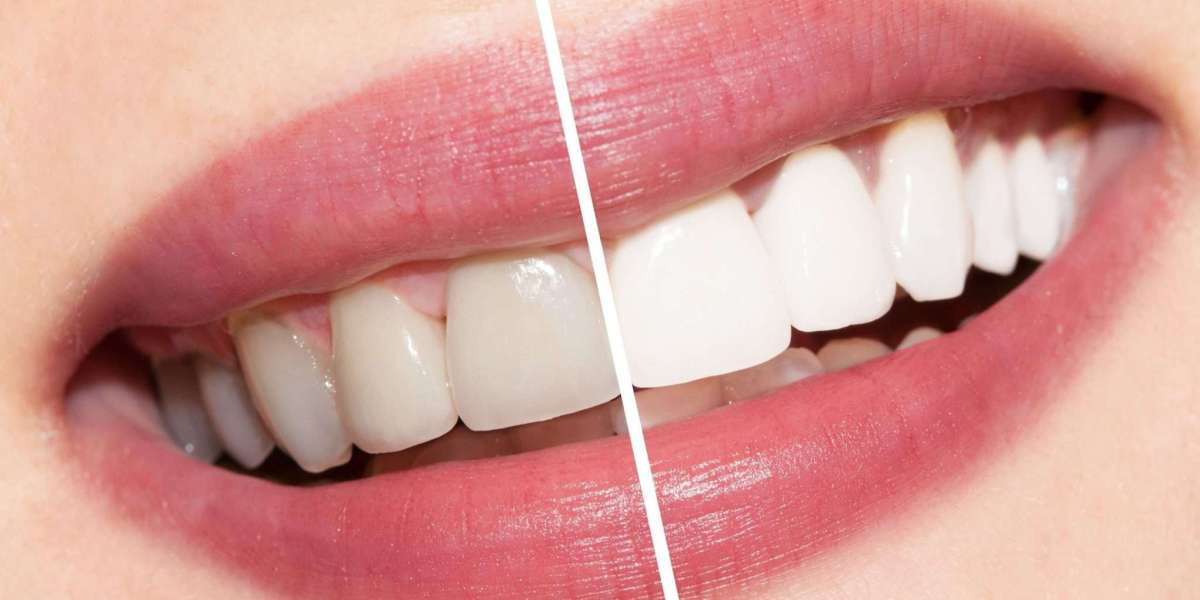

Teeth whitening is a popular cosmetic dental treatment that can dramatically improve the appearance of your smile. Many people expect their teeth to become brilliantly white after a whitening session, so it can be disappointing when they still appear yellow. If you've been asking yourself, "Why are my teeth still yellow after whitening?", you're not alone.
The truth is that teeth whitening has its limits. While professional whitening treatments can remove many stains and brighten your smile by several shades, they cannot always produce perfectly white teeth. The final result depends on your natural tooth color, the type of discoloration you have, and your overall oral health.
Understanding why your teeth may still appear yellow after whitening can help you set realistic expectations and determine the best next steps.
How Teeth Whitening Works
Professional teeth whitening uses bleaching agents such as hydrogen peroxide or carbamide peroxide to break down stain molecules within the enamel. This process removes many surface and deep stains caused by food, beverages, smoking, and aging.
However, whitening only lightens natural tooth structure. It cannot completely change the natural color of your teeth or eliminate every type of discoloration.
Common Reasons Your Teeth Are Still Yellow
1. Your Natural Tooth Color
Not everyone's teeth are naturally bright white. Teeth naturally come in different shades, ranging from light gray to cream and yellow.
The inner layer of the tooth, called dentin, naturally has a yellow color. If your enamel is naturally thinner, more of the dentin shows through, making your teeth appear more yellow even after whitening.
2. Deep Internal Stains
Some discoloration develops inside the tooth rather than on the surface. These intrinsic stains may result from:
- Certain medications
- Dental trauma
- Fluorosis
- Aging
- Previous root canal treatment
Internal stains are often more resistant to traditional whitening treatments and may require alternative cosmetic procedures.
3. Severe Staining
Years of consuming coffee, tea, red wine, tobacco, or dark-colored foods can cause stubborn stains that may require multiple whitening sessions to achieve noticeable improvement.
One treatment may not be enough for heavily stained teeth.
4. Existing Dental Restorations
Dental restorations such as:
- Crowns
- Veneers
- Fillings
- Bonding
do not respond to whitening agents. If these restorations are located on your front teeth, they may remain darker or more yellow than your newly whitened natural teeth.
5. Thin Enamel
As people age, enamel naturally becomes thinner through normal wear. Thinner enamel allows more of the yellow dentin underneath to become visible.
Whitening can improve surface color, but it cannot increase enamel thickness.
6. Insufficient Whitening Treatment
Sometimes whitening products simply are not strong enough to remove deeper stains.
Over-the-counter whitening strips and toothpaste often produce milder results than professional treatments performed by a dentist.
How Long Should You Wait Before Judging the Results?
Immediately after whitening, your teeth may appear brighter because they are temporarily dehydrated. Over the next few days, your teeth naturally rehydrate, and the final shade becomes visible.
Dentists usually recommend waiting about one to two weeks before evaluating your final whitening results.
Can Teeth Become Whiter with Additional Treatments?
In many cases, yes.
Your dentist may recommend additional whitening sessions if:
- Your stains are particularly stubborn.
- You have significant discoloration.
- You want a brighter shade than the initial treatment achieved.
Professional touch-up treatments can safely improve results when performed under dental supervision.
When Whitening May Not Be Enough
Some types of discoloration do not respond well to whitening alone.
In these situations, your dentist may recommend cosmetic treatments such as:
Dental Veneers
Veneers cover the front surface of the teeth and provide a bright, uniform appearance.
Dental Bonding
Composite bonding can improve the color and shape of individual teeth with stubborn discoloration.
Crowns
For severely damaged or discolored teeth, crowns may provide both cosmetic improvement and structural protection.
How to Maintain Your Whitening Results
To keep your smile looking brighter for longer:
Brush and Floss Daily
Good oral hygiene helps prevent plaque buildup and surface stains.
Avoid Staining Foods and Drinks
Limit coffee, tea, red wine, cola, soy sauce, and dark-colored berries. If you consume them, rinse your mouth with water afterward.
Don't Smoke
Tobacco products are among the leading causes of tooth discoloration.
Schedule Regular Dental Cleanings
Professional cleanings remove plaque and surface stains that brushing alone cannot eliminate.
Follow Your Dentist's Advice
Using whitening products too frequently can increase sensitivity without significantly improving results.
Common Myths About Yellow Teeth After Whitening
Myth 1: Whitening Should Make Every Tooth Pure White
False. Whitening improves your natural tooth color but cannot always create a paper-white smile.
Myth 2: Yellow Teeth Mean Whitening Failed
False. Many people achieve significant improvement even if some natural yellow tones remain.
Myth 3: More Whitening Is Always Better
False. Excessive whitening may increase sensitivity without producing dramatically better results.
Myth 4: Whitening Works on Crowns and Fillings
False. Whitening agents only affect natural tooth enamel and dentin.
The Bottom Line
If your teeth are still yellow after whitening, it doesn't necessarily mean the treatment failed. Natural tooth color, deep internal stains, thin enamel, aging, and existing dental restorations can all affect your final results. Professional whitening can significantly brighten your smile, but it has realistic limits.
If you're unhappy with your results, consult your dentist. They can determine the cause of the remaining discoloration and recommend additional whitening sessions or alternative cosmetic treatments that best suit your needs.
Achieve a Brighter Smile at Dental Aesthetics Studio
At Dental Aesthetics Studio, we understand that every smile is unique. Our experienced dental professionals provide personalized teeth whitening treatments designed to deliver safe, natural-looking, and long-lasting results. Before starting treatment, we carefully evaluate your teeth to identify the type of discoloration and recommend the most effective solution. If whitening alone isn't enough, we also offer advanced cosmetic dentistry options, including veneers, bonding, and smile makeovers, to help you achieve the confident smile you've always wanted. Book your consultation with Dental Aesthetics Studio today and let us help you discover the best treatment for your smile.